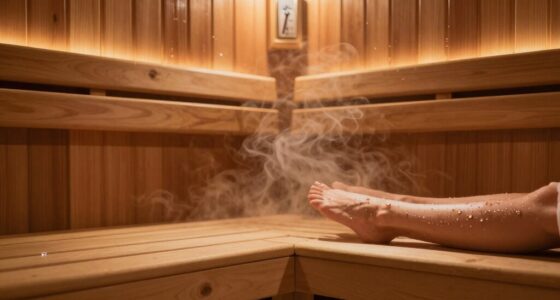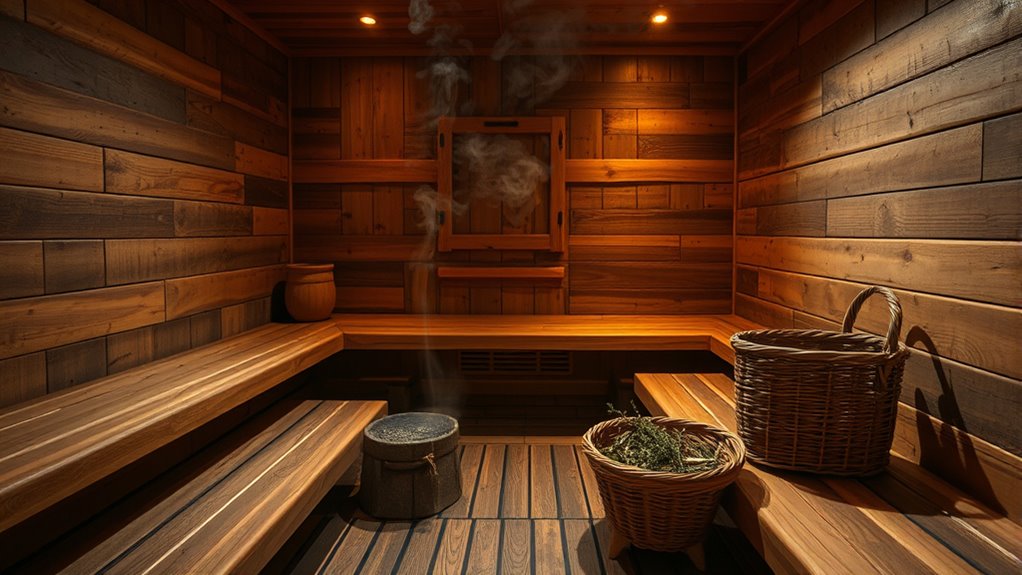

A sauna is a heated space used for relaxation, socializing, and cleansing, with deep roots in many cultures. Historically, it’s been a place for healing, purification, and community bonding, especially in Finland where it’s a sacred tradition. Saunas have evolved but maintain their focus on wellness and social connection through rituals like steaming and cold plunges. To discover more about their fascinating history and cultural significance, keep exploring this timeless practice.

Get wellness gear delivered free — and shop member deals
- Fast, free delivery on millions of items
- Access to Prime Big Deal Days deals on October 6–7
- Prime Video, Amazon Music and more included
Key Takeaways
- Saunas are traditional steam or dry heat rooms used for relaxation, cleansing, and social bonding across various cultures.
- They have historical roots dating back centuries, especially prominent in Finnish culture as sacred spaces for purification.
- Thermal therapy in saunas improves circulation, relieves muscle tension, and promotes detoxification and overall well-being.
- Sauna customs often include rituals like water pouring and cold plunges, reinforcing social bonds and cultural identity.
- Modern saunas preserve traditional elements, combining natural materials and communal practices that have evolved over generations.
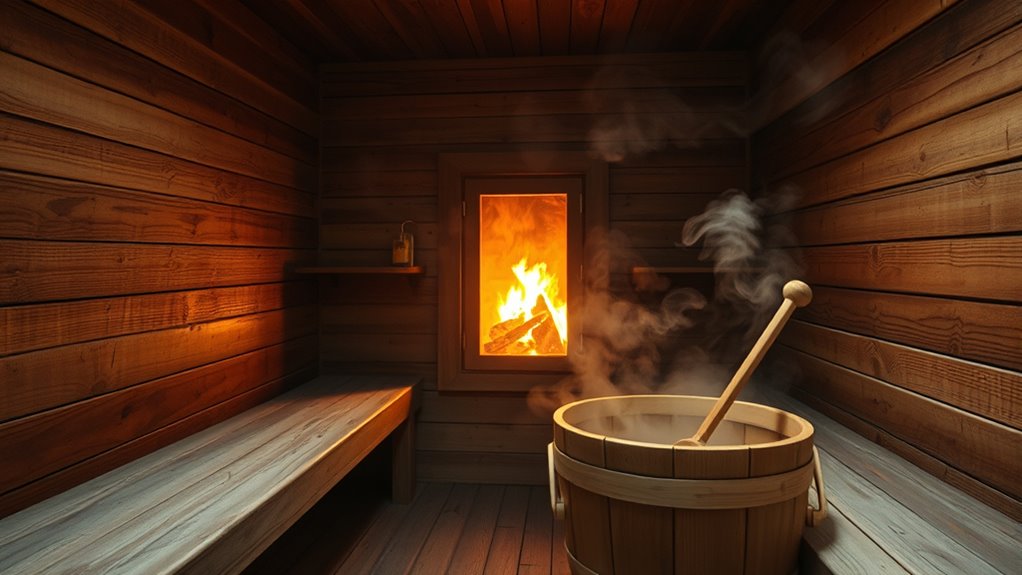
The sauna has been an integral part of many cultures for centuries, serving as a place for relaxation, socializing, and purification. Throughout history, people have used the heat of the sauna not just for comfort, but also for its therapeutic benefits. Thermal therapy, which involves exposing the body to high temperatures, helps to improve circulation, relieve muscle tension, and promote detoxification. In many traditions, the heat is seen as a way to stimulate the body’s natural healing processes, making the sauna an essential health ritual. You might find that in Finnish culture, for example, the sauna isn’t just about sweating—it’s about cleansing the body and mind, creating a space where physical and mental well-being intertwine.
Social traditions are deeply woven into the fabric of sauna culture. In many communities, visiting the sauna isn’t a solitary activity; it’s a social event that brings people together. Whether it’s family, friends, or neighbors, sharing a sauna session fosters a sense of community and trust. You may be surprised to learn that in countries like Finland, the sauna is considered a sacred space where serious conversations happen and relationships are strengthened. The act of sitting together in the steamy heat creates a relaxed environment that encourages openness and bonding. It’s not uncommon for people to take breaks from the heat to chat, share stories, or even discuss important matters—making the sauna a hub for social tradition.
Over time, these social practices have evolved but remained central to sauna culture. Even today, many use the sauna as a way to connect with others, celebrate traditions, or simply unwind after a busy day. The ritual often involves more than just sitting in the heat; it includes rituals like singing, pouring water over hot stones, or taking cold plunges afterward, all of which enhance the communal experience. These customs help reinforce social bonds and preserve cultural identities across generations. Whether in a traditional wooden sauna or a modern spa, the core idea remains the same: the sauna is a space for healing, relaxation, and social connection. It’s a timeless tradition that continues to adapt, but its roots in thermal therapy and social bonding remain strong. Additionally, the use of natural materials and vintage decor further emphasize the cozy and authentic atmosphere that enhances the overall experience.
Frequently Asked Questions
Are Saunas Beneficial for Skin Health?
Yes, saunas are beneficial for your skin health. The heat promotes skin detoxification, helping your body eliminate toxins through sweat. It also aids in pore cleansing, removing dirt and oil that can clog pores. Regular sauna sessions can improve your skin’s appearance, leaving it clearer and more refreshed. Just remember to stay hydrated and follow up with a cool rinse to maximize these skin benefits.
How Do Different Sauna Types Vary in Experience?
Different sauna types offer unique experience variations. For example, traditional Finnish saunas use dry heat, providing a deep, intense sweat. Infrared saunas emit gentle, penetrating heat at lower temperatures, creating a more relaxing environment. Steam rooms generate moist heat, which can be soothing for respiratory issues. You’ll find that each type affects your body and relaxation differently, so choosing depends on your preferred heat intensity and comfort level.
Can Saunas Help With Mental Health Issues?
Yes, saunas can help with mental health issues by promoting mindfulness benefits and reducing stress. When you sit in a sauna, the warm environment encourages relaxation and helps clear your mind. Practicing stress reduction techniques, like deep breathing, becomes easier in this calming setting. Regular sauna sessions can improve mood, reduce anxiety, and support overall mental well-being by fostering a peaceful, mindful experience.
What Safety Precautions Should Beginners Take?
When starting with a sauna, you should follow safety precautions like staying hydrated, so practice hydration tips by drinking plenty of water before and after. Also, adhere to clothing guidelines—wear a towel or light clothing to avoid overheating. Limit your sessions to 15-20 minutes, listen to your body, and exit if you feel dizzy or uncomfortable. These steps help guarantee a safe, enjoyable sauna experience.
Are There Cultural Differences in Sauna Etiquette?
Did you know that sauna etiquette varies widely across cultures? In Finland, silent relaxation is valued, while in Japan, communal bathing encourages conversations. You should always respect local customs, such as showering before entering or avoiding swimsuits in some countries. Understanding these cultural customs helps you enjoy the experience and shows respect. So, always observe the sauna etiquette specific to each place, and you’ll feel more comfortable and connected.
Conclusion
So, now that you know the sauna’s story, soak in its rich roots and cultural significance. From fiery Finnish traditions to global gatherings, saunas symbolize more than warmth—they’re woven into history, health, and harmony. Embrace the enduring essence of this ancient experience. Let the steam serve as a soothing symbol of shared stories, strength, and serenity, inspiring you to appreciate the simple, soulful sanctuary of the sauna wherever you go.
Fall Picks
fall essentials
As an affiliate, we earn on qualifying purchases.