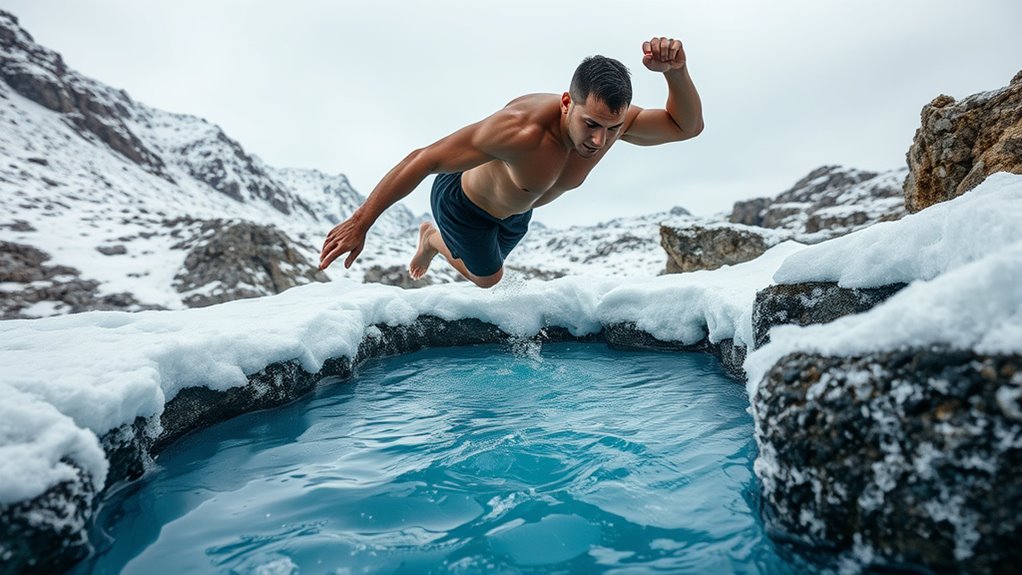

Avoid taking cold plunges immediately after weight lifting if you’re injured, fatigued, or feeling mentally drained, as cold exposure can hinder healing and increase stress. If you have cardiovascular issues or feel unwell, skip the cold water to prevent blood pressure spikes or worsening symptoms. Cold plunges are helpful when done safely, but knowing when to avoid them ensures you don’t setback your recovery. Keep going to learn more about best timing for *ideal* results.

Get wellness gear delivered free with Prime
- Fast, free delivery on millions of items
- Prime Video, Amazon Music and more included
- Member-only deals all year
Key Takeaways
- Avoid cold plunges immediately after intense lifting to prevent hindering muscle inflammation and natural recovery processes.
- Do not use cold immersion if you experience significant fatigue or mental exhaustion post-workout.
- Refrain from cold plunges if you have any recent muscle strains, tears, or injuries from lifting.
- Skip cold immersion if you feel unwell, have a fever, or show signs of illness after weight training.
- Consult a healthcare professional if you have cardiovascular issues before incorporating cold plunges into your recovery routine.

After a tough weight lifting session, many people turn to cold plunges to aid recovery, but understanding the benefits and proper technique is essential. Cold plunges are known to promote muscle recovery by reducing inflammation and soreness, helping you get back to training sooner. Additionally, they can positively impact mental health by lowering stress levels and enhancing mood, thanks to the release of endorphins. However, while cold plunges can be beneficial, they aren’t suitable for everyone or at all times. Knowing when to avoid them is just as important as knowing how to use them effectively.
Cold plunges aid recovery and boost mood, but knowing when to avoid them is key for safety and effectiveness.
You should avoid cold plunges if you’re experiencing acute injuries, such as a recent strain, sprain, or tear. Immersing an injured muscle in cold water might numb the pain temporarily, but it can also hinder the healing process if done excessively or at the wrong time. For instance, immediately after an injury, inflammation is part of the natural healing response, and cold exposure could slow this process down. Instead, focus on rest and gentle mobility before considering cold therapy later in your recovery.
Another situation to skip the cold plunge is if you have cardiovascular issues or high blood pressure. Cold water immersion causes blood vessels to constrict, which can increase blood pressure and put unnecessary stress on your heart. If you have underlying health conditions, consult your healthcare provider before incorporating cold plunges into your routine. Ignoring these precautions might lead to adverse effects, including dizziness, chest pain, or even fainting.
You should also be cautious about using cold plunges if you’re feeling overly fatigued or mentally drained. While cold exposure can boost mental health by improving mood and reducing anxiety, doing it when you’re already exhausted might backfire. The shock of cold water can be overwhelming, leading to heightened stress or feelings of panic, especially if you’re not accustomed to it. In these cases, gentle active recovery or warm baths might be more appropriate until you’re feeling mentally and physically ready.
Finally, avoid cold plunges if you’re battling illness or fever. Cold exposure can suppress your immune response and worsen symptoms, making recovery longer. It’s best to wait until you’re fully recovered before returning to cold therapy. Incorporating proper recovery techniques, such as stretching and hydration, can help optimize your results and prevent overreliance on cold plunges. Overall, while cold plunges are a valuable recovery tool, paying attention to your body’s signals and understanding when not to use them ensures you get the benefits without risking setbacks.
As an affiliate, we earn on qualifying purchases.
Frequently Asked Questions
Can Cold Plunges Improve Muscle Recovery Speed?
Cold plunges can improve muscle recovery speed by aiding in inflammation reduction, which helps your muscles heal faster. When you submerge in cold water, it constricts blood vessels, reducing swelling and soreness. This process promotes quicker muscle repair after intense workouts. However, avoid cold plunges if you’re dealing with injuries or excessive fatigue, as they may hinder the natural recovery process. Use them wisely for ideal benefits.
Is Cold Plunging Safe for Beginners Post-Workout?
Cold plunging can be safe for beginners if you follow proper cold plunge safety and beginner guidelines. Start with shorter dips, around 1-2 minutes, and gradually increase as your body adapts. Always listen to your body, avoid plunges if you feel dizzy or uncomfortable, and consult a healthcare professional if you have pre-existing health conditions. Doing so helps prevent cold shock and guarantees a safe, beneficial experience.
How Long Should I Wait Before Cold Plunging After Lifting?
Think of timing your cold plunge like walking a tightrope—you want to find the right balance. Wait at least 10-15 minutes after lifting before jumping in for a cold plunge. This allows your muscles to start recovery and prevents blood vessel constriction. Keep your cold plunge duration between 1-3 minutes to maximize benefits without overdoing it. Listening to your body is key to safe, effective post-workout cold therapy.
Does Cold Exposure Reduce Muscle Soreness Effectively?
Cold exposure can help reduce muscle soreness by constricting blood vessels, which lessens inflammation. However, it might also interfere with muscle adaptation if used immediately after lifting, as it can blunt the inflammatory response necessary for muscle growth. If your goal is recovery, cold exposure may be effective, but avoid it right after your workout if you want to maximize muscle adaptation. Timing matters for ideal results.
Are There Any Health Risks Associated With Cold Plunges?
A cold plunge is like diving into icy waters—exciting but risky. You should watch out for ice hazards and cardiovascular risks, especially if you have heart problems or poor circulation. Cold exposure can cause frostbite or shock your heart. Always make certain the water isn’t too cold, and consult your doctor if you have health concerns. Safety first—don’t let the thrill lead to unforeseen health dangers.
muscle recovery cold water immersion
As an affiliate, we earn on qualifying purchases.
As an affiliate, we earn on qualifying purchases.
Conclusion
Remember, while cold plunges can boost recovery, avoid them immediately after intense weight lifting. Waiting at least 30 minutes allows your muscles to start healing properly. Did you know that over 70% of athletes report improved performance after proper recovery routines? By timing your cold plunge right, you’ll optimize benefits without risking setbacks. Stay mindful of your body’s signals, and give yourself the best chance to grow stronger and faster.
As an affiliate, we earn on qualifying purchases.
cold therapy for muscle soreness
As an affiliate, we earn on qualifying purchases.
As an affiliate, we earn on qualifying purchases.
Halloween Picks
halloween
As an affiliate, we earn on qualifying purchases.