Proper ventilation is vital in your sauna because it guarantees a steady flow of fresh oxygen while removing excess moisture, stale air, and carbon dioxide. Well-placed intake vents near the floor bring in fresh air, while higher exhaust vents release warm, damp air, creating a natural draft. This cycle keeps the environment healthy, comfortable, and invigorating, preventing stuffiness and material damage. Keep exploring to discover how to optimize your sauna’s ventilation system for the best experience.

Get wellness gear delivered free with Prime
- Fast, free delivery on millions of items
- Prime Video, Amazon Music and more included
- Member-only deals all year
Key Takeaways
- Proper ventilation ensures continuous fresh oxygen supply, preventing dizziness and fatigue during sauna use.
- Strategic placement of intake and exhaust vents promotes natural airflow and effective air exchange.
- Ventilation removes excess humidity and stale air, maintaining a healthy, comfortable environment.
- Balanced airflow prevents moisture buildup, protecting sauna materials and enhancing durability.
- Well-designed ventilation optimizes air quality, supporting relaxation and safety inside the sauna.
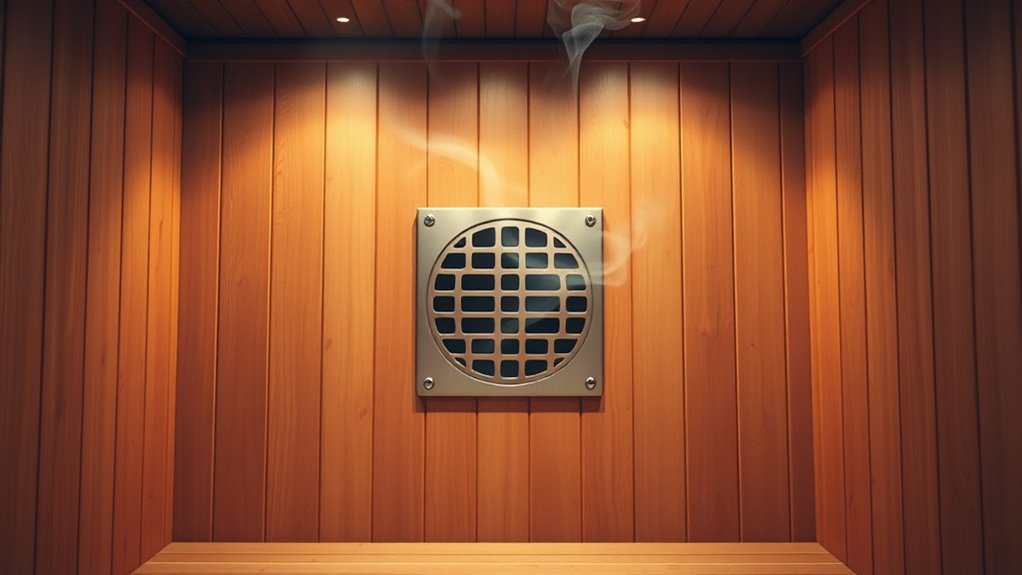
Proper ventilation is vital for a safe and enjoyable sauna experience. When you’re inside, good air circulation ensures that fresh air continuously replaces the stale, humid air that builds up during your session. Without proper airflow, your sauna can become stuffy, making it harder to breathe comfortably and diminishing the overall experience. The key to maintaining a pleasant environment lies in how effectively the ventilation system manages the air exchange, providing a steady oxygen supply that keeps you feeling alert and comfortable throughout your session.
Proper sauna ventilation ensures fresh air, comfort, and a safe, enjoyable experience.
In a sauna, air circulation isn’t just about moving air around; it’s about ensuring a consistent flow of fresh oxygen into the space while removing excess moisture and carbon dioxide. When you breathe, your body consumes oxygen and releases carbon dioxide, which can accumulate in poorly ventilated environments. If the oxygen levels drop, you might start feeling dizzy, lightheaded, or fatigued, which can hinder your ability to relax or enjoy the benefits of your sauna session. Proper ventilation helps prevent this by constantly replenishing the air with oxygen-rich fresh air, keeping the environment healthy and invigorating.
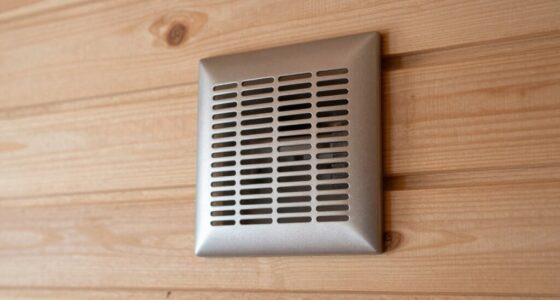
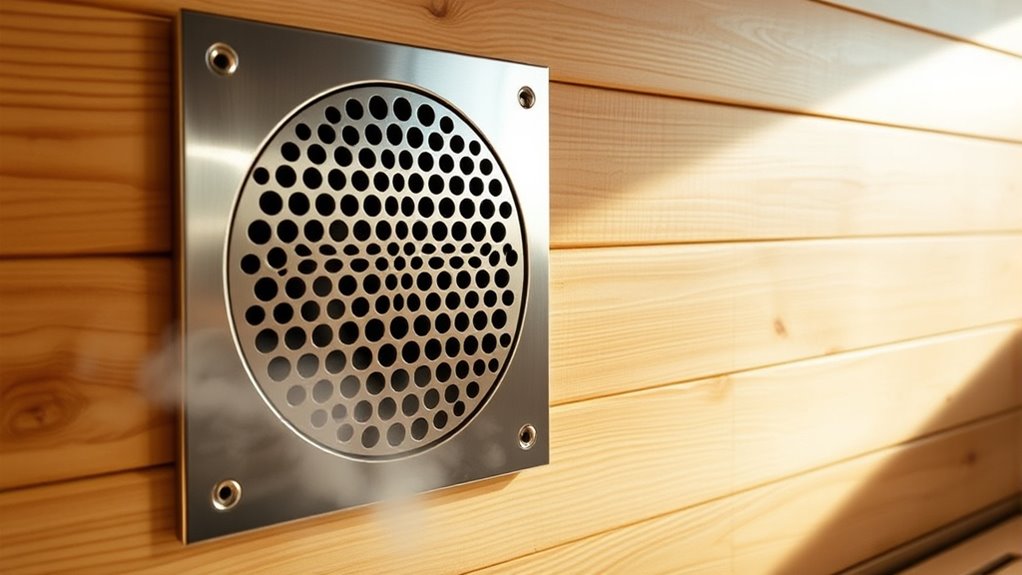
The design and placement of vents play an essential role in achieving effective air circulation. Typically, vents are positioned to facilitate the natural flow of air—intake vents near the floor allow fresh air to enter, while exhaust vents higher up help expel warm, stale air. This creates a natural draft that continuously renews the atmosphere inside. When you’re in a well-ventilated sauna, you’ll notice a noticeable difference in how refreshed and energized you feel after your session. The constant supply of oxygen prevents the space from becoming too humid or oppressive, which can otherwise lead to discomfort or even health issues over time.
Maintaining good ventilation also helps control the humidity levels inside the sauna. Excess moisture can make the air feel heavy and less breathable, but with proper air circulation, humidity is balanced. This not only enhances comfort but also protects the sauna’s materials from damage caused by excessive moisture buildup. You’ll find that a properly ventilated sauna is easier to breathe in, allowing you to relax more fully without feeling suffocated or overwhelmed by humidity.
Additionally, integrating ventilation systems that are appropriately sized and designed for sauna environments can further optimize air quality and comfort. When you prioritize good ventilation, you create a safer, more comfortable environment where you can unwind and enjoy all the benefits your sauna has to offer.
As an affiliate, we earn on qualifying purchases.
Frequently Asked Questions
How Often Should Sauna Ventilation Systems Be Inspected?
You should inspect your sauna ventilation system at least once every three to six months. Regular ventilation maintenance ensures peak air quality, preventing stale air and moisture buildup. Check filters, fans, and ducts for dust, blockages, or damage. Properly maintained ventilation keeps the air fresh, healthy, and safe for sauna users. Don’t wait until issues arise—routine inspections help maintain excellent air quality and system efficiency.
Can Poor Ventilation Cause Health Issues in Sauna Users?
Poor ventilation can definitely cause health issues in sauna users. When air quality drops, you breathe in excess carbon dioxide and fewer fresh oxygen molecules, leading to dizziness, headaches, or even fainting. Without proper airflow, toxins may accumulate, making the environment unsafe. You should guarantee good ventilation to keep air fresh, reduce carbon dioxide buildup, and promote a healthier sauna experience.
What Are Signs of Inadequate Ventilation in a Sauna?
You notice poor air quality and stuffy odors, which are signs of inadequate ventilation. Reduced air circulation makes the sauna feel uncomfortably hot and stale, causing difficulty breathing or dizziness. You might also see condensation buildup or experience a decrease in oxygen levels. If these signs occur, it is crucial to enhance air flow to guarantee fresh oxygen and a safe, enjoyable sauna experience.
How Does Ventilation Affect Sauna Temperature Regulation?
Good airflow enhancement keeps your sauna’s temperature steady, ensuring you’re comfortable without overheating. Proper ventilation helps manage humidity control, preventing excessive moisture buildup that could make the environment feel warmer or damp. When you optimize airflow, heat distributes evenly, avoiding hot spots or chilly areas. This balance creates a safe, inviting space where temperature stays consistent, letting you relax fully while enjoying the soothing heat without concern.
Are There Specific Ventilation Standards for Commercial Saunas?
Yes, there are specific ventilation standards for commercial saunas to guarantee ideal sauna air quality. You should follow ventilation design guidelines that regulate air exchange rates, preventing stale air and excess humidity. Properly designed ventilation maintains fresh oxygen levels, reduces odors, and enhances user comfort. Always adhere to local building codes and industry standards to create a safe, healthy environment that promotes relaxation and well-being for all sauna users.
As an affiliate, we earn on qualifying purchases.
Conclusion
Remember, proper ventilation keeps the air fresh and safe, making your sauna experience enjoyable. Did you know that a well-ventilated sauna can exchange air up to 8 times an hour? That means you’re constantly breathing in new oxygen, preventing stuffiness and ensuring your comfort. So, next time you step in, appreciate how good airflow transforms your session—refreshing, invigorating, and essential for your health. Keep ventilation in mind, and make every sauna visit a revitalizing escape.
As an affiliate, we earn on qualifying purchases.
As an affiliate, we earn on qualifying purchases.
Halloween Picks
halloween
As an affiliate, we earn on qualifying purchases.