
TL;DR

Get wellness gear delivered free with Prime
- Fast, free delivery on millions of items
- Prime Video, Amazon Music and more included
- Member-only deals all year
Fit&Well published a beginner-friendly, four-pose recovery yoga flow created by Yogalina Studios founder Alina Boyett. The sequence uses gentle stretches and breathing, but the source does not provide research showing that it improves flexibility or treats muscle tightness.
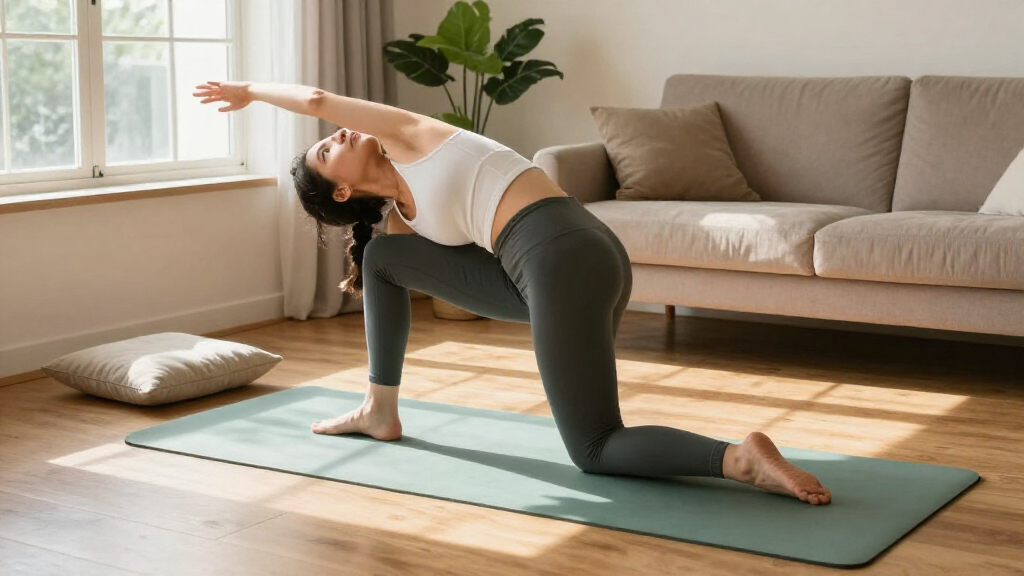
Fit&Well has shared a four-pose beginner yoga flow created by Alina Boyett, founder of UK-based Yogalina Studios, for people seeking gentle movement after exercise or a day of sitting. The equipment-free sequence focuses on the legs, hips, spine and shoulders; its proposed effects are described by Boyett, and the report does not cite research establishing that the routine boosts flexibility or relieves tight muscles.
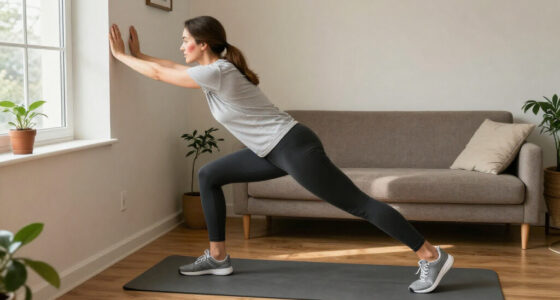
Boyett’s sequence consists of waterfall pose, child’s pose, a ragdoll forward fold and a seated spinal twist. Fit&Well presents it as a home routine that does not require advanced flexibility or previous yoga experience. Yogalina teacher Misha Clarke demonstrates the movements in a video accompanying the original report.
The instructions call for slow, comfortable movement rather than forcing a stretch. For waterfall pose, lie on your back near a wall and rest your legs up it for three to five breaths, bending your knees if needed. In child’s pose, lower your hips toward your heels from hands and knees, extend your arms and breathe for three to five breaths. Boyett says these positions can gently address tension in the legs, back, hips and shoulders.
For the ragdoll fold, stand with feet hip-width apart, soften the knees and fold forward from the hips. The report suggests holding opposite elbows and gently swaying if comfortable; it lists two rounds of three to five breaths. Finish with a seated spinal twist, rotating gently to each side for two to three breaths. Boyett advises returning to the center between sides and avoiding force.
A Gentle Option for Recovery Days
The routine offers readers a short, equipment-free way to add gentle movement to a day otherwise focused on training or prolonged sitting. Its practical emphasis is on slowing down, breathing and moving within a comfortable range, rather than pursuing a demanding workout or a particular flexibility target.
That distinction matters: Boyett describes the flow as supportive of recovery and relaxation, but the article does not provide clinical evidence that these poses speed recovery, prevent injury or produce a measurable increase in flexibility. Readers can treat it as an optional stretch routine, not a substitute for medical care or individualized rehabilitation.
Products Worth Considering

Philips Sonicare DiamondClean 9000 Electric Toothbrush Bundle, HX9912/72

Garmin Forerunner 165 GPS Running Smartwatch, 43 mm, Black

Withings Body Scan Smart Scale with Segmental Body Composition and ECG, Black
As an affiliate, we earn on qualifying purchases.
Why the Routine Targets Four Areas
Boyett told Fit&Well that recovery should receive attention alongside exercise. She said she chose the four movements because they gently address body areas that may feel tense after activity, including the legs, hips, spine and shoulders. The report also frames the sequence as suitable after a run, a challenging workout or extended desk work.
The advice is to keep the practice adaptable: knees may remain bent in the wall pose and forward fold, and the seated twist should stay gentle. The source offers pose instructions and time or breath counts, rather than a personalized program or a clinical assessment of muscle tightness.
Evidence and Individual Suitability
The Fit&Well report does not cite studies testing this exact sequence, quantify changes in flexibility or muscle tightness, or compare the routine with other recovery approaches. Claims about easing tension, relaxation or the sensation of heavy legs are attributed to Boyett and should not be read as established outcomes for every person.
People’s comfort and mobility vary, and the article does not give individualized modifications for every injury or health condition. Boyett advises people with an injury or relevant medical condition to seek appropriate professional guidance before trying the flow. Stop if a movement causes pain rather than pushing through it.
How Readers Can Try the Flow
The reported next step for readers is to follow the accompanying demonstration and try the poses gently, using the stated breath counts as a guide rather than a target to force. The source does not announce a follow-up study, clinical evaluation or further testing of the sequence, so its effects beyond the instructor’s descriptions remain unconfirmed.
Anyone who chooses to practice can adjust or skip a pose if it feels uncomfortable. People with injuries or relevant medical conditions should seek professional guidance first, as Boyett recommends.
Key Questions
What poses are in the beginner yoga flow?
The four movements are waterfall pose, child’s pose, ragdoll forward fold and seated spinal twist. Fit&Well says the routine was created by Yogalina founder Alina Boyett.
Does the sequence require equipment or yoga experience?
The report describes the flow as suitable for home practice without equipment, advanced flexibility or previous yoga experience. Waterfall pose uses a wall for support.
How long should each pose be held?
The instructions generally use breath counts: three to five breaths for waterfall pose and child’s pose, two rounds of three to five breaths for the forward fold, and two to three breaths on each side for the seated twist.
Is the flow proven to improve flexibility or treat muscle tightness?
The source does not cite research establishing those effects. Boyett describes the movements as gentle stretches that may address tension, but the report does not establish a measured result or treatment benefit.
Who should seek advice before trying the routine?
Boyett advises anyone with an injury or relevant medical condition to seek appropriate professional guidance first. The report also says not to force a stretch or continue through pain.
Source: fitandwell.com