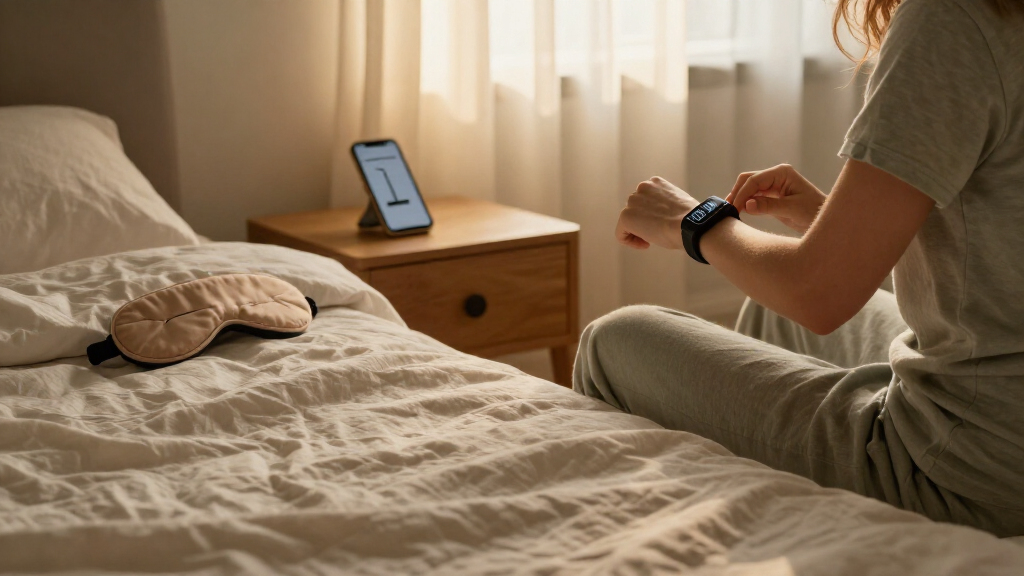
Among these smart sleep trackers, I rank the Google Fitbit Inspire 3 as the best overall for its focused, wearable approach to sleep and everyday activity. The Garmin Index Sleep Monitor stands out for shoppers who want a sleep-first device, while the Samsung Galaxy Watch7 suits people who also want a full-featured smartwatch. The central tradeoff is whether you prefer a screen-free band or ring for overnight comfort, or a display-equipped watch that does more during the day. App support, fit, charging habits, and the limits of consumer sleep estimates also separate these options. Read on for the full ranking and a guide to choosing the tracker that best matches your sleep routine.

Get wellness gear delivered free with Prime
- Fast, free delivery on millions of items
- Prime Video, Amazon Music and more included
- Member-only deals all year
Key Takeaways
- The Fitbit Inspire 3 is the roundup’s strongest all-rounder: it balances sleep tracking with familiar fitness-band functions without making smartwatch features the main event.
- Sleep-first and all-day devices serve different priorities: Garmin Index Sleep Monitor focuses on overnight use, while Galaxy Watch7 adds broad smartwatch capabilities that may matter more during waking hours.
- Screen-free designs make comfort and routine central: the Garmin sleep monitor, screen-free bracelets, and rings avoid a bright watch face, but fit and charging still shape whether they work night after night.
- Low-cost-looking feature lists do not settle the choice: several generic bands advertise blood pressure, oxygen, and sleep monitoring, so buyers should check app quality, measurement limits, and support rather than count sensors.
- Ring listings are not interchangeable: the prxxhri, BIEMHA, and Milavan options differ by brand and listed size or finish, making sizing, return terms, and a comfortable overnight fit key decision points.
| Google Fitbit Air Screenless Activity Tracker, Obsidian |  | Best Screenless All-Day Pick | Operating system: Fitbit OS | Band material: Google Performance Loop Band | Fit: One size, 130–210 mm | VIEW LATEST PRICE | See Our Full Breakdown |
| Garmin Index Sleep Monitor |  | Best Dedicated Overnight Band | Wear location: Upper arm | Size: Large-X-Large | Weight: 14.2 g | VIEW LATEST PRICE | See Our Full Breakdown |
| prxxhri Smart Ring Health and Fitness Tracker with Charging Case, Rose Gold, Size 8 |  | Best Ring Pick with Charging Case | Model: VR11 | Color and size: Rose Gold, Size 8 | Connectivity: Bluetooth | VIEW LATEST PRICE | See Our Full Breakdown |
| Samsung Galaxy Fit3 Fitness Tracker, 1.6-Inch AMOLED Display, Gray |  | Best Display-Based Sleep Tracker | Display: 1.6-inch AMOLED, 320 × 320 | Case and band: Aluminum case; silicone band | Weight: 18.5 g | VIEW LATEST PRICE | See Our Full Breakdown |
| QYZHARYX Screen-Free Health and Fitness Tracker Bracelet, Black |  | Best Screen-Free Cross-Platform Bracelet | Band material: Nylon | Display: Screen-free | Operating system: Zepp OS | VIEW LATEST PRICE | See Our Full Breakdown |
| Google Fitbit Inspire 3 Fitness Tracker, Midnight Zen/Black, Small and Large Bands |  | Best for Sleep and Everyday Wellness | Metrics: Heart rate, sleep duration, stress, and blood oxygen | Exercise modes: 40+ | Sleep tracking: Automatic | VIEW LATEST PRICE | See Our Full Breakdown |
| Screenless Fitness Tracker with Sleep, HRV, Heart Rate and SpO2 Monitoring |  | Best Screen-Free, Subscription-Free Pick | Display: Screenless | App and subscription: QwatchPro; no subscription | Tracking: Heart rate, SpO2, HRV, stress, activity, sleep, and women’s health | VIEW LATEST PRICE | See Our Full Breakdown |
| Garmin vívosmart 5 Health and Fitness Tracker, Small/Medium, White |  | Best for Sleep Data Alongside Daily Health Metrics | Display: 0.41-inch OLED, 320 x 180 resolution | Controls: Touchscreen and buttons | Health metrics: Heart rate, sleep duration, blood oxygen, stress, respiration, hydration, and Body Battery | VIEW LATEST PRICE | See Our Full Breakdown |
| Samsung Galaxy Watch7 40mm Bluetooth Smartwatch, Green |  | Best Premium Smartwatch for Sleep and Fitness | Display: 40 mm OLED, 480 x 480 resolution | Maximum brightness: 2000 nits | Storage: 32 GB | VIEW LATEST PRICE | See Our Full Breakdown |
| MorePro Fitness Tracker with Heart Rate, Blood Pressure, Blood Oxygen, and Sleep Monitoring |  | Best for Activity Variety and Everyday Tools | Health metrics: Blood oxygen, blood pressure, heart rate, sleep duration, and step count | Sport modes: 120+ | GPS: No GPS | VIEW LATEST PRICE | See Our Full Breakdown |
| Zeacool Fitness Tracker with Heart Rate, Blood Oxygen, Blood Pressure and Sleep Monitoring |  | Best for Sleep Tracking with Fitness Features | Display: 1.1-inch AMOLED HD touchscreen | Sleep tracking: Sleep stages and sleep score | Other tracked metrics: Heart rate, blood oxygen, blood pressure, temperature, steps, distance, and calories | VIEW LATEST PRICE | See Our Full Breakdown |
| aeac Smartwatch for Women with AMOLED Display, Health Monitoring, and 110+ Sport Modes |  | Best for Sleep Tracking Plus Smartwatch Functions | Model: AR-01 | Display: 1.32-inch AMOLED touchscreen | Watch face diameter: 43 mm | VIEW LATEST PRICE | See Our Full Breakdown |
| BIEMHA Smart Ring Health Tracker, Rose Gold, Size 7 |  | Best BIEMHA Ring for Size 7 Buyers | Color and size: Rose Gold, size 7 | Tracked metrics: Heart rate, sleep duration, activity, and blood pressure | Heart-rate interval: Every 30 minutes | VIEW LATEST PRICE | See Our Full Breakdown |
| BIEMHA Smart Ring Health Tracker, Silver, Size 8 |  | Best Silver Screen-Free Sleep Ring | Color and size: Silver, size 8 | Shape: Round | Metrics measured: Heart rate, sleep duration, blood pressure, and activity | VIEW LATEST PRICE | See Our Full Breakdown |
| Milavan Smart Health Ring Fitness Tracker, Rose Gold, Size 8 |  | Best for Sleep-Stage Tracking in a Ring | Color and size: Rose Gold, size 8 | Profile thickness: 2 mm | Materials: Stainless steel and resin | VIEW LATEST PRICE | See Our Full Breakdown |
| smart sleep tracker | Battery life | Water resistance | Compatibility | GPS |
|---|---|---|---|---|
| Google Fitbit Air Screenless A | Up to 7 days | Up to 50 meters | — | — |
| Garmin Index Sleep Monitor | Up to 7 nights | — | — | — |
| prxxhri Smart Ring Health and | 2–3 days; over 5 days with charging case | Up to 80 meters | iOS and Android | — |
| Samsung Galaxy Fit3 Fitness Tr | Up to 14 days | 5ATM and IP68; listed depth 1.5 meters | Android devices only; not compatible with iPhone or iOS | — |
| QYZHARYX Screen-Free Health an | — | IP68; 1.5 meters | iOS and Android devices | — |
| Google Fitbit Inspire 3 Fitnes | — | 50 meters; IP68 | iOS 16.4 or higher; Android 11.0 or higher | — |
| Screenless Fitness Tracker wit | Stated 20–30 days | IP68 | Android 4.4+ and iOS 9.0+ | Connected GPS via smartphone |
| Garmin vívosmart 5 Health and | Up to 7 days | 50 meters | — | Connects to smartphone GPS |
| Samsung Galaxy Watch7 40mm Blu | — | 50 meters | — | Built-in |
| MorePro Fitness Tracker with H | Up to 7 days typical use; up to 15 days standby | IP68; listed depth 1.5 meters | Android 7.0+ and iOS 13.0+ | No GPS |
| Zeacool Fitness Tracker with H | Up to 10–14 days regular use; up to 30 days standby | 5 ATM | iPhone and Android smartphones | — |
| aeac Smartwatch for Women with | Up to 10 days | 3ATM | Android 6.0+ and iOS 9.0+ | Via smartphone |
| BIEMHA Smart Ring Health Track | 2–3 days; over 5 days with smart charging case | — | iOS and Android | Not included |
| BIEMHA Smart Ring Health Track | 2–3 days; over 5 days with smart charging case | — | iOS and Android smartphones | No |
| Milavan Smart Health Ring Fitn | 3–5 days | IP68; listed depth of 50 meters | Android 5.0+ and iOS 9.0+ | Via smartphone |
More Details on Our Top Picks
Google Fitbit Air Screenless Activity Tracker, Obsidian
The Fitbit Air suits people who want sleep tracking in a band they can also wear through workouts and the day, without a screen drawing attention or adding bulk. Its micro-adjustable fit covers wrist sizes from 130 to 210 mm, while heart-rate, temperature, and blood-oxygen sensors add context beyond sleep duration. The battery lasts up to seven days, and a five-minute charge can provide up to a day of use—useful if you forget to charge before bed. Compared with the Garmin Index Sleep Monitor, this is more versatile for daytime wear, but Garmin is more specifically designed as an overnight band and includes a vibrating wake alarm. The Fitbit’s coaching features may also require a separate subscription, and GPS depends on a phone. Choose it for a screenless daily tracker, not for standalone location tracking.
Pros:- Screenless design can be worn for sleep, workouts, and everyday use
- Micro-adjustable band fits wrists from 130 to 210 mm
- Tracks heart rate, temperature, and blood oxygen alongside activity
- Five-minute charge provides up to a day of battery life
Cons:- GPS functionality requires a connected smartphone
- Google Health Premium coaching requires a separate subscription
Best for: People who want one screen-free band for sleep, workouts, and daily health tracking, with adjustable wrist fit and Android or iOS phone support.
Not ideal for: Buyers seeking a dedicated sleep-only band with a smart wake alarm, or runners who need built-in GPS without carrying a phone.
- Operating system:Fitbit OS
- Band material:Google Performance Loop Band
- Fit:One size, 130–210 mm
- Battery life:Up to 7 days
- Charging:5 minutes provides up to 1 day of battery life
- Water resistance:Up to 50 meters
- Sensors:Optical heart rate monitor, 3-axis accelerometer, gyroscope, device temperature sensor, red and infrared SpO2 sensors
- Phone compatibility:Android 11.0 or higher; iOS 16.4 or higher
Our verdict“Choose the Fitbit Air if you want a screen-free tracker that covers sleep and daytime activity, but pick the Garmin Index Sleep Monitor for a dedicated sleep band and vibrating alarm.”
Garmin Index Sleep Monitor
Garmin’s Index Sleep Monitor is the most sleep-focused option here: its lightweight, breathable band sits on the upper arm rather than competing with a daytime watch or ring. It estimates sleep stages, HRV, score, and rest duration, then syncs that information to Garmin Connect. A vibrating smart wake alarm gives it a practical overnight feature the Fitbit Air does not list, while up to seven nights of battery life limits how often charging interrupts tracking. The tradeoff is that this is not an all-purpose fitness band; it is built around overnight wear and comes in a Large-X-Large size in the supplied product data. Compared with the Samsung Galaxy Fit3, it gives up a display and broad workout tracking in favor of a less obtrusive sleep-specific format. Metrics are estimates, and the device is not for medical diagnosis or monitoring.
Pros:- Lightweight, breathable upper-arm format made for overnight wear
- Estimates sleep score, stages, HRV, and rest duration
- Up to seven nights of battery life
- Vibrating smart wake alarm and Garmin Connect syncing
Cons:- Sleep measurements are estimates and are not intended for medical diagnosis or monitoring
- The supplied size is Large-X-Large, which may not suit every wearer
- Pulse Ox is needed for breathing variations and is unavailable in some countries
Best for: Garmin Connect users who want a lightweight upper-arm band for overnight sleep estimates and a vibrating wake alarm without wearing a screen-based tracker to bed.
Not ideal for: Buyers who want one tracker for daytime workouts and sleep, need a small-size option, or expect medical-grade sleep measurements.
- Wear location:Upper arm
- Size:Large-X-Large
- Weight:14.2 g
- Material:Nylon
- Battery life:Up to 7 nights
- Sensors:Optical, Pulse Ox
- Connectivity:Garmin Connect app
- Included components:Index Sleep Monitor, charging/data cable, documentation
Our verdict“Choose the Garmin Index Sleep Monitor for a dedicated overnight band and vibrating alarm, rather than a display-based all-day tracker like the Samsung Galaxy Fit3.”
prxxhri Smart Ring Health and Fitness Tracker with Charging Case, Rose Gold, Size 8
This prxxhri smart ring is a compact alternative to wristbands for people who would rather track sleep without wearing a watch or bracelet. It records sleep, activity, and heart rate, and its charging case extends stated use from 2–3 days to over 5 days—a useful buffer for travel or inconsistent charging habits. It also works with iOS and Android without an app subscription, unlike Fitbit’s optional paid coaching. A meaningful limitation is the heart-rate interval: readings are taken every 30 minutes, not continuously, so it offers less frequent heart data than a tracker designed for ongoing monitoring. Compared with the Garmin Index Sleep Monitor, the ring takes up less space on the body but lacks Garmin’s vibrating wake alarm and sleep-focused upper-arm design. Check the sizing chart carefully; a poor fit can undermine comfort during sleep.
Pros:- Ring form avoids wearing a wristband or watch during sleep
- Charging case extends stated battery use to over five days
- Tracks sleep, daily activity, and heart rate
- Works with iOS and Android without an app subscription
Cons:- Heart rate is measured every 30 minutes rather than continuously
- Sizing requires checking the chart and measuring finger circumference
- No GPS
Best for: People who prefer a small, screen-free ring over a wristband and want sleep and activity tracking without an app subscription.
Not ideal for: Buyers who need frequent or continuous heart-rate readings, dislike measuring for ring sizing, or want a vibrating smart wake alarm.
- Model:VR11
- Color and size:Rose Gold, Size 8
- Connectivity:Bluetooth
- Compatibility:iOS and Android
- Heart-rate monitoring:Every 30 minutes
- Battery life:2–3 days; over 5 days with charging case
- Water resistance:Up to 80 meters
- Subscription:Not required
Our verdict“Pick the prxxhri ring if discreet finger wear and subscription-free tracking matter more than frequent heart-rate readings or the Garmin Index Sleep Monitor’s wake alarm.”
Samsung Galaxy Fit3 Fitness Tracker, 1.6-Inch AMOLED Display, Gray
The Galaxy Fit3 makes the most sense for Android users who want sleep data alongside a screen they can check throughout the day. Its 1.6-inch AMOLED display gives the tracker a more watch-like feel than the Fitbit Air or QYZHARYX’s screen-free bracelet, while sleep, blood oxygen, heart rate, and snore detection add useful overnight signals. Up to 14 days of battery life is the longest stated run time among these five picks, reducing charging interruptions. It also supports more than 101 workout modes, so it is less specialized than the Garmin Index Sleep Monitor. The tradeoffs are firm: it has no built-in GPS, works with Android only, and the listed international model has no US warranty. It is a stronger daytime companion than a discreet sleep-only band, but iPhone owners should skip it.
Pros:- 1.6-inch AMOLED display makes activity and health information easy to view
- Tracks sleep, blood oxygen, heart rate, and snoring
- Up to 14 days of battery life
- Lightweight aluminum body and support for 101+ workout modes
Cons:- Compatible with Android devices only, not iPhone or iOS
- No built-in GPS
- The listed international model has no US warranty
Best for: Android users who want a readable AMOLED screen, sleep and snore tracking, workout modes, and long battery life in one lightweight band.
Not ideal for: iPhone owners, buyers who need built-in GPS, or shoppers who require a US warranty for the listed international model.
- Display:1.6-inch AMOLED, 320 × 320
- Case and band:Aluminum case; silicone band
- Weight:18.5 g
- Battery life:Up to 14 days
- Water resistance:5ATM and IP68; listed depth 1.5 meters
- Health tracking:Sleep, SpO2, heart rate, and snore detection
- Workout modes:101+ with auto detection
- Compatibility:Android devices only; not compatible with iPhone or iOS
Our verdict“Choose the Galaxy Fit3 if you use Android and want a screen-led fitness tracker with sleep features; the Fitbit Air is a better fit for screen-free wear.”
QYZHARYX Screen-Free Health and Fitness Tracker Bracelet, Black
The QYZHARYX bracelet is a screen-free choice for buyers who want sleep tracking and a broad set of health readings without committing to a ring or a display-based band. It pairs with iOS and Android, supports phone alerts, and lists sleep, stress, HRV, heart rate, and blood oxygen among its metrics. That cross-platform flexibility sets it apart from the Android-only Samsung Galaxy Fit3, while its nylon band offers a different fit from the Fitbit Air’s adjustable performance loop. The listing claims up to 47 days of standby time, but standby is not the same as continuous tracking time, so I would not treat that figure as a direct measure of typical sleep-tracking use. There is no screen for checking information on the bracelet and no GPS, making this a better fit for app-led monitoring than for self-contained daily feedback.
Pros:- Screen-free nylon bracelet supports low-profile all-day wear
- Works with iOS and Android phones and supports Bluetooth alerts
- Lists sleep, stress, HRV, heart rate, and blood oxygen tracking
- Supports more than 100 sports modes and has IP68 water resistance
Cons:- No screen for viewing data or alerts on the bracelet
- No GPS
- The listed battery figure is standby time, not a stated continuous tracking duration
Best for: Phone-first users on iOS or Android who want a screen-free nylon bracelet for sleep and health tracking, plus phone alerts and sports modes.
Not ideal for: Buyers who want to read sleep or activity data directly from their wrist, need GPS, or expect the listed standby figure to represent continuous tracking time.
- Band material:Nylon
- Display:Screen-free
- Operating system:Zepp OS
- Compatibility:iOS and Android devices
- Sports modes:100+
- Listed health metrics:Heart rate, blood pressure, blood oxygen, HRV, sleep, and stress
- Water resistance:IP68; 1.5 meters
- Battery:180 mAh; up to 47 days standby; 2-hour charging time
Our verdict“Choose the QYZHARYX if you want an app-led, screen-free tracker that works with iOS or Android, but choose the Samsung Galaxy Fit3 for on-band viewing.”
Google Fitbit Inspire 3 Fitness Tracker, Midnight Zen/Black, Small and Large Bands
The Fitbit Inspire 3 makes sense for buyers who want sleep tracking alongside a broader picture of daily habits. Automatic sleep tracking, heart-rate monitoring, stress tools, and a vibrating smart wake alarm give it more sleep-focused utility than a basic activity band. Its 40-plus exercise modes and water resistance also make it a capable all-day companion. Compared with the screenless QwatchPro tracker, the Inspire 3 offers a display and Fitbit’s established app ecosystem, but it has fewer listed sport modes and some features sit behind a Premium membership. GPS also depends on a nearby phone, so it is less suited to phone-free outdoor workouts than the Samsung Galaxy Watch7, which has built-in GPS. Choose it for accessible sleep and wellness tracking, not standalone navigation or subscription-free access to every feature.
Pros:- Automatically tracks sleep and exercise alongside heart rate and daily activity.
- Vibrating smart wake alarm adds a practical sleep-specific feature.
- Stress management and mindfulness tools broaden its wellness tracking.
- Includes small and large silicone bands and is water-resistant to 50 meters.
Cons:- Some features require a Fitbit Premium membership.
- GPS functionality depends on a nearby smartphone.
Best for: People who want automatic sleep and activity tracking, a smart wake alarm, and everyday wellness tools in a compact band.
Not ideal for: Buyers who want built-in GPS or unrestricted access to every tracking feature without a Fitbit Premium membership.
- Metrics:Heart rate, sleep duration, stress, and blood oxygen
- Exercise modes:40+
- Sleep tracking:Automatic
- Wake alarm:Vibrating smart wake alarm
- Water resistance:50 meters; IP68
- Connectivity:Bluetooth
- Compatibility:iOS 16.4 or higher; Android 11.0 or higher
- Band sizes:Small and large
Our verdict“Pick the Inspire 3 if you want a versatile Fitbit band with automatic sleep tracking and a smart alarm, and can accept phone-dependent GPS and some membership-gated features.”
Screenless Fitness Tracker with Sleep, HRV, Heart Rate and SpO2 Monitoring
The QwatchPro screenless tracker suits people who want sleep and wellness data without adding another bright display to the wrist. It tracks sleep, heart rate, SpO2, HRV, and stress, while its app provides trends and insights without a subscription. That makes it a more focused screen-free alternative to the display-equipped Fitbit Inspire 3; the tradeoff is less convenient on-band access to information. Its stated 20–30-day battery life can also mean fewer charging interruptions than the Garmin vívosmart 5’s listed seven days, though actual runtime depends on use. The 170-plus sports modes are extensive, but GPS mapping still relies on a connected phone. Readings are for reference, not medical decisions, so this is best for people who want personal trends rather than clinical monitoring.
Pros:- Screenless design avoids adding another display to the wrist.
- Tracks sleep alongside heart rate, SpO2, HRV, and stress.
- QwatchPro app insights are offered without a subscription.
- Lightweight 25 g build and stated 20–30-day battery life reduce daily upkeep.
Cons:- GPS and mapping depend on a connected smartphone.
- Health readings are for reference only; the band is not a medical device.
- Without a display, checking data and using smart features depends more on the phone app.
Best for: Sleep-focused users who prefer a screen-free wristband, want several wellness metrics, and want to avoid a tracking subscription.
Not ideal for: People who want on-wrist screen controls, phone-independent GPS, or medical-grade health readings.
- Display:Screenless
- App and subscription:QwatchPro; no subscription
- Tracking:Heart rate, SpO2, HRV, stress, activity, sleep, and women’s health
- Sports modes:170+
- GPS:Connected GPS via smartphone
- Battery life:Stated 20–30 days
- Weight:25 g
- Water resistance:IP68
- Compatibility:Android 4.4+ and iOS 9.0+
Our verdict“Choose this band if a screen-free design, broad wellness tracking, and a long stated battery life matter more than on-device controls or standalone GPS.”
Garmin vívosmart 5 Health and Fitness Tracker, Small/Medium, White
The Garmin vívosmart 5 is a better fit for buyers who want sleep tracking within a wider set of daily health signals, including respiration, stress, and Body Battery. Its touchscreen and buttons make it easier to check information on the band than the screenless QwatchPro, while pool-swim profiles and 50-meter water resistance suit people who want one tracker for workouts and sleep. The compromise is battery life: up to seven days is shorter than the QwatchPro’s stated 20–30 days, so charging is more frequent. It also lacks built-in GPS; outdoor route tracking needs a paired phone, unlike the Samsung Galaxy Watch7. Choose the vívosmart 5 for a compact Garmin tracker with useful health context, not for long battery intervals or phone-free activity tracking.
Pros:- Tracks sleep alongside heart rate, respiration, stress, and Body Battery.
- Touchscreen and button controls provide on-wrist access to information.
- Water-resistant to 50 meters and includes a pool-swimming activity profile.
- Interchangeable bands and smartphone notifications add everyday flexibility.
Cons:- Battery life is listed as up to seven days, shorter than the QwatchPro tracker’s stated runtime.
- GPS tracking requires a paired smartphone.
- Pulse Ox availability varies by country, and health measurements are not medical assessments.
Best for: People who want sleep tracking combined with respiration, stress, and Body Battery data in a swim-safe band with on-device controls.
Not ideal for: Buyers who prioritize long battery life or built-in GPS for outdoor workouts without a phone.
- Display:0.41-inch OLED, 320 x 180 resolution
- Controls:Touchscreen and buttons
- Health metrics:Heart rate, sleep duration, blood oxygen, stress, respiration, hydration, and Body Battery
- Activity profiles:Walking, running, yoga, cardio, and pool swimming
- Battery life:Up to 7 days
- GPS:Connects to smartphone GPS
- Water resistance:50 meters
- Weight:24.5 g
- Band size:Small/Medium
Our verdict“Choose the vívosmart 5 if you want Garmin’s broader daily health context and on-wrist controls, and do not mind charging more often or carrying a phone for GPS.”
Samsung Galaxy Watch7 40mm Bluetooth Smartwatch, Green
The Samsung Galaxy Watch7 is the most capable smartwatch-style option here for buyers who want sleep tracking alongside a full display, built-in GPS, and outdoor activity features. Its personalized Energy Score and Wellness Tips add interpretation beyond the basic sleep and heart-rate tracking offered by the Fitbit Inspire 3, while built-in GPS means runs and rides do not depend on a phone for location. That broader functionality comes with extra friction: sleep tracking requires wearing the watch for seven nights within a 30-night period, and some features need a compatible Samsung Galaxy phone and Samsung account. It is also a larger, more screen-forward choice than the screenless QwatchPro. Pick it when smartwatch functions and phone-free GPS matter as much as sleep data, rather than when you want a simple, unobtrusive overnight tracker.
Pros:- Built-in GPS supports outdoor activity tracking without relying on phone GPS.
- Energy Score and Wellness Tips add personalized context to wellness data.
- Tracks sleep and heart rate alongside running and cycling.
- 50-meter water resistance supports everyday wear and water-based activities.
Cons:- Some features require a compatible Samsung Galaxy phone and Samsung account.
- Sleep tracking requires wearing the watch for seven nights within a 30-night period.
- Its 40 mm smartwatch display is less discreet for sleep than a screenless band.
Best for: Samsung Galaxy phone owners who want a full smartwatch with sleep insights, built-in GPS, and fitness tracking in one device.
Not ideal for: People seeking a minimal or screen-free overnight band, or buyers who do not have a compatible Samsung Galaxy phone for certain features.
- Display:40 mm OLED, 480 x 480 resolution
- Maximum brightness:2000 nits
- Storage:32 GB
- GPS:Built-in
- Metrics tracked:Heart rate and sleep duration
- Water resistance:50 meters
- Connectivity:Bluetooth
- Operating system:Tizen
- Color:Green
Our verdict“Choose the Galaxy Watch7 if you want sleep insights in a feature-rich smartwatch with built-in GPS, and are comfortable with Samsung-specific requirements and a more substantial wrist device.”
MorePro Fitness Tracker with Heart Rate, Blood Pressure, Blood Oxygen, and Sleep Monitoring
The MorePro Fitness Tracker earns its place for buyers who want sleep monitoring as one part of a feature-packed daily band. It combines sleep duration and heart rate with blood oxygen, blood pressure readings, menstrual cycle tracking, notifications, alarms, and more than 120 sport modes. That breadth makes it a more activity-oriented choice than the sleep-and-wellness-focused QwatchPro, but it is not the better pick for phone-free workouts: the MorePro has no GPS, while the Samsung Galaxy Watch7 includes built-in GPS. Its IP68 rating is listed alongside a water-resistance depth of 1.5 meters, so it is not the same stated swim protection as the 50-meter-rated Fitbit Inspire 3. Health measurements are not intended for medical use. Choose it for everyday tools and varied activities, not clinical monitoring or precise route tracking.
Pros:- Tracks sleep and several other health and activity metrics.
- Offers more than 120 sport modes and menstrual cycle tracking.
- Includes call and message notifications, music controls, alarms, and weather forecasts.
- Typical battery life is listed as up to seven days, with IP68 water resistance.
Cons:- No GPS, so it cannot record routes independently.
- Health measurements are not intended for medical use.
- Listed water-resistance depth is 1.5 meters, less than the 50-meter rating of the Fitbit Inspire 3.
Best for: Budget-conscious activity trackers who want sleep monitoring, many sport modes, menstrual cycle tracking, and phone notifications in one band.
Not ideal for: Runners or cyclists who need GPS routes from the tracker, or anyone seeking medical-grade blood pressure or other health readings.
- Health metrics:Blood oxygen, blood pressure, heart rate, sleep duration, and step count
- Sport modes:120+
- GPS:No GPS
- Battery life:Up to 7 days typical use; up to 15 days standby
- Water resistance:IP68; listed depth 1.5 meters
- Connectivity:Bluetooth
- Compatibility:Android 7.0+ and iOS 13.0+
- Charging time:About 2 hours
- Band material:Silicone
Our verdict“Choose the MorePro if you want broad activity modes and useful daily tools alongside sleep tracking, but skip it if GPS or medical-grade readings are priorities.”
Zeacool Fitness Tracker with Heart Rate, Blood Oxygen, Blood Pressure and Sleep Monitoring
The Zeacool suits buyers who want sleep information on a wristband that also handles everyday fitness tracking. It reports sleep stages and a sleep score alongside heart rate, blood oxygen, and activity metrics, while its 1.1-inch AMOLED screen makes data easier to check than on a screen-free tracker such as the Google Fitbit Air. The 25 sport modes and 5 ATM water resistance give it broader workout and swimming utility than the ring-focused BIEMHA models in this lineup. The tradeoff is that this is a more feature-packed fitness tracker, not a discreet sleep-only wearable, and battery life is listed at 10–14 days with about 10 days as the average. Some tracking and sport functions also depend on the Keep Health app, so buyers should be comfortable using a companion app.
Pros:- Reports sleep stages and a sleep score alongside several health and activity metrics.
- 5 ATM water resistance suits swimming as well as daily wear.
- Offers 25 sport modes for varied workouts.
- AMOLED display and magnetic charging add practical everyday convenience.
Cons:- Battery life varies with use and is listed at about 10 days on average.
- Some tracking and sport features rely on the Keep Health app.
- A wrist display and broad fitness feature set may be more than sleep-focused buyers need.
Best for: Buyers who want sleep-stage and sleep-score tracking alongside swimming and everyday workout features on a wrist-worn display.
Not ideal for: People seeking a screen-free or especially discreet sleep tracker, or those who do not want some features tied to the Keep Health app.
- Display:1.1-inch AMOLED HD touchscreen
- Sleep tracking:Sleep stages and sleep score
- Other tracked metrics:Heart rate, blood oxygen, blood pressure, temperature, steps, distance, and calories
- Sport modes:25
- Water resistance:5 ATM
- Battery life:Up to 10–14 days regular use; up to 30 days standby
- Charging:Magnetic fast charging
- Compatibility:iPhone and Android smartphones
Our verdict“Choose the Zeacool if you want sleep scoring on a capable, swim-friendly fitness tracker rather than a discreet ring or screen-free band.”
aeac Smartwatch for Women with AMOLED Display, Health Monitoring, and 110+ Sport Modes
The aeac is the pick for someone who wants sleep and health monitoring in a watch that can also take Bluetooth calls and respond to voice commands. Its 1.32-inch AMOLED display and customizable faces make it more watch-like than the Zeacool tracker, while 110+ sport modes offer a wider menu than Zeacool’s 25. For sleep tracking, it covers sleep alongside heart rate, blood oxygen, and stress, but the supplied details do not specify sleep stages or a sleep score. That makes it a less clearly sleep-focused choice than the Zeacool, which lists both. GPS also depends on a connected phone, and the 3ATM water-resistance rating is lower than the Zeacool’s 5 ATM. Pick this model for its communication features and broad activity selection, not for the deepest sleep-specific detail.
Pros:- Tracks sleep, heart rate, blood oxygen, and stress.
- Bluetooth calling and an AI voice assistant add smartwatch utility.
- More than 110 sport modes provide broad activity choices.
- Customizable AMOLED watch faces allow a more personal display.
Cons:- GPS geotagging relies on a connected smartphone.
- 3ATM water resistance is lower than the Zeacool’s 5 ATM rating.
- The product details do not specify sleep stages or a sleep score.
Best for: Buyers who want sleep and stress tracking on a watch that also supports Bluetooth calls, voice commands, and a wide choice of workouts.
Not ideal for: Sleep-first shoppers who prioritize specified sleep stages or scores, or users who need standalone GPS or stronger water resistance.
- Model:AR-01
- Display:1.32-inch AMOLED touchscreen
- Watch face diameter:43 mm
- Health tracking:Heart rate, blood oxygen, stress, and sleep
- Sports modes:110+
- Water resistance:3ATM
- Battery life:Up to 10 days
- GPS:Via smartphone
- Compatibility:Android 6.0+ and iOS 9.0+
Our verdict“Choose the aeac if calls and a large sport-mode selection matter as much as sleep tracking, and skip it if sleep-stage detail is your priority.”
BIEMHA Smart Ring Health Tracker, Rose Gold, Size 7
This BIEMHA ring offers a screen-free alternative to wrist trackers for buyers who want sleep and activity data without wearing a watch to bed. It tracks sleep duration and heart rate, with heart-rate measurements every 30 minutes, and needs no app subscription. Compared with the Milavan ring, its listed tracking is less detailed: Milavan specifies sleep stages and eight sports modes, while this BIEMHA listing names sleep duration and activity. Its charging case extends use beyond five days, though the ring itself lasts just 2–3 days between charges. That makes the case central to its convenience, rather than a minor extra. This size 7 version is a fit-specific choice; careful finger measurement matters more than it does for adjustable-feeling wristbands, and GPS is not included.
Pros:- Tracks sleep duration, activity, and heart rate without a wrist display.
- Charging case can extend use beyond five days.
- No app subscription is required.
- Works with iOS and Android devices.
Cons:- Battery life is 2–3 days without the charging case.
- Careful finger measurement is needed to select the right size.
- GPS is not included, and the listed heart-rate interval is every 30 minutes.
Best for: Size 7 ring shoppers who want screen-free sleep-duration and heart-rate tracking with no app subscription.
Not ideal for: Buyers who want sleep-stage reporting, GPS, or several days of use without relying on a charging case.
- Color and size:Rose Gold, size 7
- Tracked metrics:Heart rate, sleep duration, activity, and blood pressure
- Heart-rate interval:Every 30 minutes
- Battery life:2–3 days; over 5 days with smart charging case
- Water resistance depth:80 meters
- Connectivity:Bluetooth
- Compatibility:iOS and Android
- GPS:Not included
- Subscription:Not required
Our verdict“Choose this size 7 BIEMHA if you want a subscription-free sleep ring and are comfortable using its case to manage short standalone battery life.”
BIEMHA Smart Ring Health Tracker, Silver, Size 8
The silver size 8 BIEMHA shares the same core proposition as the rose gold size 7 version: a screen-free ring for sleep, activity, and periodic heart-rate tracking, with no app subscription. Its main distinction in this lineup is the size and finish, not a different tracking feature set. Compared with the Milavan ring, BIEMHA lists a longer stated water-resistance depth of 80 meters, while Milavan supplies more explicit sleep detail by naming sleep stages and eight sports modes. BIEMHA’s heart-rate readings arrive every 30 minutes, so it is better suited to general trend tracking than frequent spot checks. Battery life is 2–3 days without the smart charging case and over five days with it; buyers should also confirm size 8 fits before ordering.
Pros:- Screen-free form is suited to wearing during sleep.
- Tracks sleep, activity, and heart rate, with readings every 30 minutes.
- No app subscription is required.
- Stated water-resistance depth is 80 meters.
Cons:- Battery lasts 2–3 days without the smart charging case.
- Requires careful sizing, and this listing is specifically size 8.
- No GPS is included, and the supplied details do not specify sleep stages.
Best for: Buyers who need a silver size 8 ring for discreet sleep and activity tracking without a recurring app subscription.
Not ideal for: People who need specified sleep-stage tracking, GPS, or frequent heart-rate readings, or whose finger does not fit size 8.
- Color and size:Silver, size 8
- Shape:Round
- Metrics measured:Heart rate, sleep duration, blood pressure, and activity
- Battery life:2–3 days; over 5 days with smart charging case
- Water resistance depth:80 meters
- Connectivity:Bluetooth
- Compatibility:iOS and Android smartphones
- GPS:No
- Subscription:Not required
Our verdict“Pick this silver BIEMHA if size 8 and a discreet, subscription-free ring matter more to you than sleep-stage detail or built-in GPS.”
Milavan Smart Health Ring Fitness Tracker, Rose Gold, Size 8
Among these ring options, the Milavan stands out for explicitly listing sleep stages, making its sleep offering more specific than either BIEMHA ring’s listed sleep-duration tracking. Its eight sport modes and activity metrics also give buyers more workout context than the BIEMHA models, which emphasize general activity and periodic heart-rate readings. The 2 mm profile is designed for a slim fit, and the ring works with Android and iOS without a subscription. That convenience comes with limits: battery life is 3–5 days, so it needs regular charging, and the health data is stated to be for general reference rather than medical use. GPS is available via a smartphone, not independently. Buyers should measure carefully for size 8, since a ring that does not fit comfortably is a poor choice for overnight tracking.
Pros:- Lists sleep-stage tracking, unlike the BIEMHA rings’ specified sleep-duration tracking.
- Eight sport modes add workout context to sleep and activity data.
- Slim 2 mm profile is designed for comfortable all-day wear.
- No app subscription is required.
Cons:- Battery life is 3–5 days, requiring regular charging.
- Health data is for general reference and is not intended for medical use.
- GPS relies on a connected smartphone, and sizing requires careful measurement.
Best for: Size 8 ring buyers who want sleep-stage tracking, basic workout metrics, and subscription-free app access.
Not ideal for: People who need medical-grade health information, standalone GPS, or longer battery life between charges.
- Color and size:Rose Gold, size 8
- Profile thickness:2 mm
- Materials:Stainless steel and resin
- Metrics:Heart rate, sleep stages, steps, workout duration, speed, calories, and distance
- Sports modes:8
- Battery life:3–5 days
- Water resistance:IP68; listed depth of 50 meters
- GPS:Via smartphone
- Compatibility:Android 5.0+ and iOS 9.0+
Our verdict“Choose the Milavan if sleep stages and workout tracking are your priorities in a subscription-free size 8 ring, but not if you need standalone GPS or medical guidance.”
How We Picked
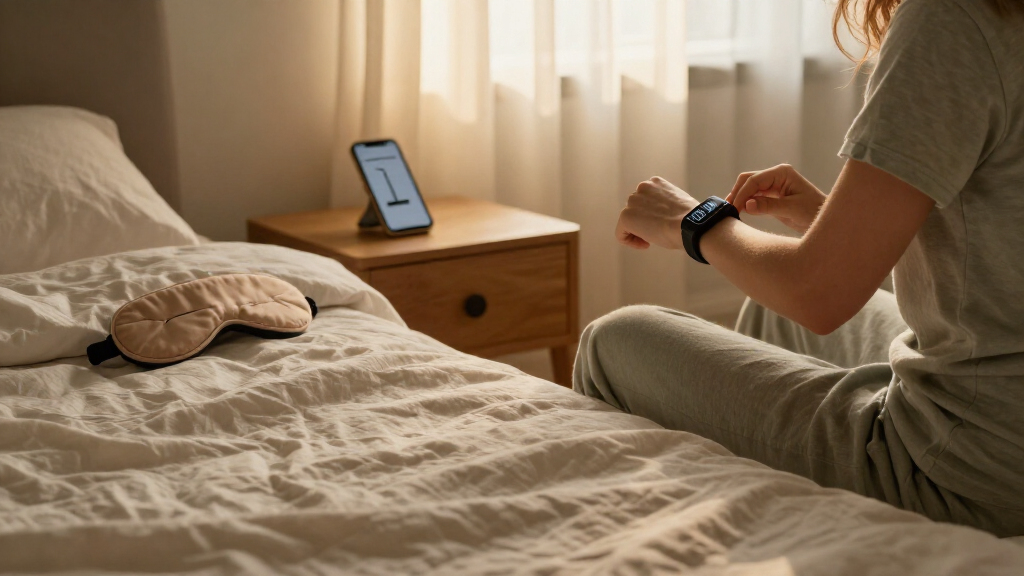
I ranked these 15 options by how well they serve the specific job of tracking sleep, then by how practical they are to wear and use beyond the bedroom. My main criteria were overnight comfort, clarity and usefulness of sleep insights, day-to-day usability, battery and charging demands where published, build and fit options, and the value of added functions. I also separated devices designed around sleep from general fitness bands, smartwatches, and rings that include sleep monitoring as one part of a broader feature set.
The order favors products with a clear role and a plausible balance between sleep use and everyday practicality. The Fitbit Inspire 3 leads as the most balanced dedicated wearable in this group; the Garmin Index Sleep Monitor earns distinction for a sleep-first approach, and Galaxy Watch7 ranks higher for buyers who want smartwatch versatility rather than a minimalist tracker. Generic trackers and multiple similar ring listings rank lower because broad sensor claims do not by themselves establish app quality, measurement reliability, or a better sleep experience. I treat consumer sleep data as useful for observing patterns, not as a medical diagnosis or a substitute for clinical assessment.
Factors to Consider When Choosing Smart Sleep Trackers
Choosing a sleep tracker is less about collecting the most measurements and more about finding a device and app you will use consistently. I would start with overnight comfort, then check what the data can—and cannot—tell you before paying for extra features.
Choose a Form Factor You Can Wear All Night
A tracker that comes off before bed cannot give you a complete view of your night, so comfort should outrank a long feature list. Bands, watches, and rings distribute pressure differently; a watch can feel bulky against a pillow, while a ring may bother you if you sleep with your hands tucked under you. Screen-free designs remove the glow and notifications, but they are not automatically more comfortable for every wrist or finger. Check sizing instructions closely for rings, since a listed size is not a substitute for a secure but non-tight fit. If possible, review the return policy before choosing a form factor you have not worn overnight. The best choice is the one that fits your body and habits well enough to wear consistently.
Decide Which Sleep Information You Will Actually Use
Many trackers estimate sleep duration, timing, and stages, but these figures are not equivalent to a clinical sleep study. Think about the question you want the device to help answer: whether your schedule is regular, whether you wake often, or how sleep patterns change alongside activity. A dashboard with many metrics can create more noise than insight if it does not explain trends in plain language. Treat single-night results as estimates and look for patterns across several weeks instead. If a health concern is affecting your sleep, use the tracker as a conversation aid rather than a diagnostic tool. This approach can prevent a precise-looking score from driving unnecessary worry.
Check App Support Before Comparing Sensor Counts
The app determines whether raw readings become useful guidance, so check its compatibility with your phone and the way it presents trends. Some brands build a connected ecosystem around activity, sleep, and health summaries, while lesser-known devices may rely on a companion app whose support and data policies deserve closer review. A list that mentions heart rate, blood oxygen, or blood pressure does not prove that each measurement is clinically accurate or equally useful during sleep. Look for clear explanations of how readings are collected, what limitations apply, and whether key insights require a subscription. Also check how easily data can be exported or shared if you want to discuss it with a clinician. Reliable software support can matter more over time than an extra sensor.
Match Charging Habits to Your Sleep Routine
Overnight tracking requires enough battery for the hours you intend to monitor, so charging convenience affects data continuity. A smartwatch may need more frequent charging than a simpler band, especially if you use its display, notifications, and workout features during the day. Rings and screen-free trackers can reduce screen-related drain, but their charging cases or schedules still need to fit your routine. Before buying, find out whether charging interrupts sleep tracking and how long a full recharge typically takes for the specific model. A practical habit is to charge during a predictable period when the device is not needed, rather than waiting for a low-battery warning at bedtime. Missing nights can make long-term patterns harder to interpret.
Pay More Only for Features That Match Your Day
A premium smartwatch may make sense when you want calls, apps, a bright display, and sleep tracking in one device, but those extras are not automatically better for sleep. If your main goal is an unobtrusive overnight record, a simpler band or sleep-first monitor may be easier to wear and manage. Conversely, a basic tracker can feel limiting if you also want detailed workout tools or smartwatch functions. Compare the total ownership experience, including app access, replacement bands, device compatibility, and any paid insight features—not just the hardware list. Avoid paying extra for health metrics you do not understand or plan to act on. The right spend follows your daily use, not the longest specification sheet.
Set Realistic Expectations for Health Measurements
Consumer wearables can help reveal personal trends, but wrist and ring sensors have limits that vary with fit, movement, skin contact, and the measurement involved. Blood oxygen estimates, blood pressure features, and sleep-stage labels should not be treated as a diagnosis or used to change medication. A surprising reading may reflect a device limitation or poor fit, so look for repeated patterns and consult a qualified health professional about symptoms. For people managing a known condition, ask a clinician whether a consumer tracker’s data is relevant to their care. This matters especially when a device advertises many medical-sounding measurements without explaining validation. Buy for the insights you can interpret responsibly, not for the promise of certainty.
Frequently Asked Questions
Is a dedicated sleep monitor better than a smartwatch for overnight tracking?
Not automatically; the better choice depends on whether you prioritize overnight focus or a single device for your whole day. A dedicated sleep monitor can avoid the screen, notifications, and extra functions of a smartwatch, while a smartwatch adds activity tools and convenience outside bed. Comfort is personal, and some people find a band or ring easier to sleep in than a watch. Compare the data presentation and app support as well as the form factor. If you already own a watch, try its sleep features before buying another device unless its fit or insights fall short.
Can I trust sleep-stage and blood oxygen readings from these trackers?
Use them as estimates for personal patterns, not as clinical measurements. Wearable sensors may be affected by movement, fit, and how the device collects data, and sleep stages in particular should not be read as exact records of brain activity. A repeated trend may be useful context, but one unusual night does not establish a health problem. If symptoms or concerning readings persist, speak with a qualified health professional rather than relying on the tracker alone. Check the manufacturer’s explanations and limitations before treating any metric as actionable.
Should I choose a smart ring or a wrist tracker for sleep?
Choose based on which device you can wear comfortably and consistently, not on the assumption that one form is inherently more accurate. Rings avoid a wrist screen and can feel discreet, but they require careful sizing and may be uncomfortable for some sleepers or activities. Wrist trackers are adjustable and often add an on-device display, though that can mean more bulk at night. Compare the app, charging setup, and return policy alongside fit. If you are between ring sizes or uncertain about overnight comfort, resolve sizing questions before purchase.
Are blood pressure features on budget fitness trackers a reason to choose one?
Not on their own. A product listing that advertises blood pressure monitoring does not establish that the feature is validated for diagnosis or treatment decisions. Check the device documentation for how readings are produced, what limitations apply, and whether a medical professional recommends its use for your situation. If you need blood pressure monitoring for health care, ask your clinician which measurement method is appropriate. For general sleep tracking, a clear sleep history and dependable app may be more useful than an extra metric you cannot confidently interpret.
What should I check before buying a tracker as a gift?
Start with phone compatibility, since the recipient may need a particular app or operating system to access the data. Then consider whether they prefer a screen-free band, a watch with a display, or a ring—and confirm band or ring sizing before ordering. Check charging needs and whether the person is comfortable wearing a device overnight. Also review any ongoing app or subscription requirements so the gift does not come with unexpected access limits. When preferences are uncertain, a flexible return policy is especially useful.
Conclusion
For most shoppers, I recommend the Google Fitbit Inspire 3 as the best overall because it balances sleep tracking with everyday fitness-band use. The Garmin Index Sleep Monitor is my pick for buyers who want a more sleep-focused, screen-free approach, while the Samsung Galaxy Watch7 is the best premium choice for people who also value a full smartwatch. For a best-value direction, compare the simpler Fitbit and established fitness-band options against generic trackers carefully: favor clear app support and a comfortable fit over a long list of sensor claims. The Fitbit Inspire 3 is also the best choice for beginners in this lineup if you want a familiar band format rather than a ring or a more complex watch. For specific needs, choose a ring such as the prxxhri, BIEMHA, or Milavan only after checking exact sizing, fit, and app details; choose a screen-free tracker if avoiding a display matters most. In short, match the device to the way you sleep and the data you will actually use.