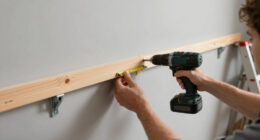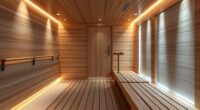
When choosing exterior cladding for your outdoor sauna, focus on materials that offer durability, weather resistance, and appeal. Options like cedar wood naturally resist moisture and decay, while fiber cement and composite materials require less maintenance and handle harsh weather better. Consider how the material interacts with insulation and ventilation to prevent moisture buildup. To build a resilient, attractive, and long-lasting sauna, understanding these factors will guide your selection. Explore further to discover the best fit for your space.
Key Takeaways
- Select weather-resistant materials like cedar, fiber cement, or composite to withstand outdoor elements and prolong sauna lifespan.
- Prioritize low-maintenance options to reduce sealing and upkeep needs over time.
- Ensure the cladding material offers good insulation properties for energy efficiency and comfort.
- Choose aesthetically compatible options that blend with outdoor surroundings and personal design preferences.
- Consider ventilation interaction to prevent moisture buildup, mold, and structural deterioration.
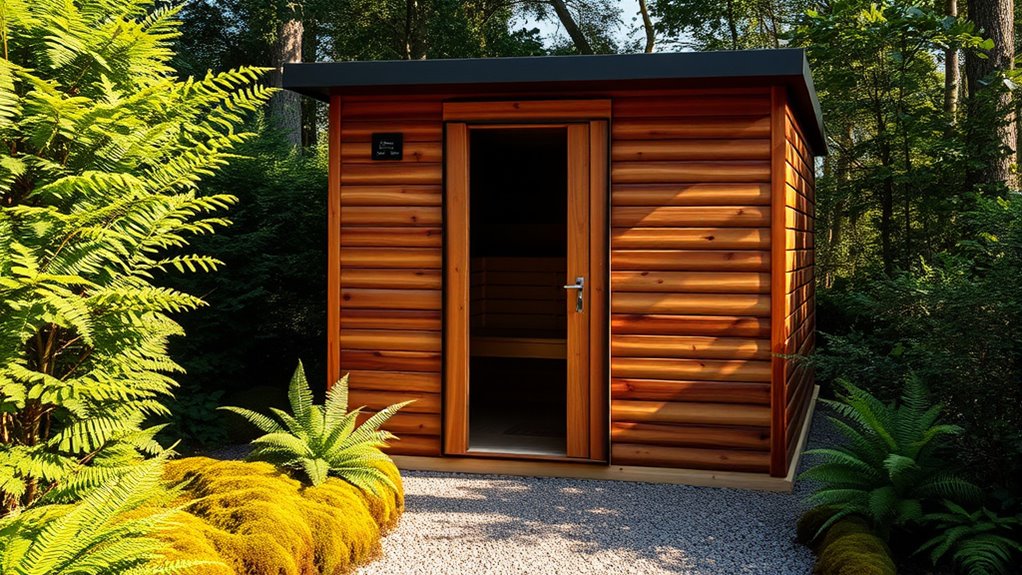
When selecting exterior cladding materials for your outdoor sauna, it’s essential to evaluate durability, weather resistance, and aesthetic appeal. Your choice impacts how well your sauna withstands the elements and how it looks over time. Consider insulation options as part of your decision—some materials naturally offer better thermal properties, helping to keep your sauna warm in winter and cool in summer. Proper insulation not only enhances comfort but also improves energy efficiency, reducing heating costs. Additionally, the right cladding can contribute to better insulation options by providing a barrier that minimizes heat loss. Think about how the material interacts with your chosen ventilation strategies; good ventilation is essential to prevent moisture buildup and maintain structural integrity. Materials that allow for proper airflow and moisture escape help prevent rot, mold, and deterioration caused by humidity and temperature fluctuations.
Weather resistance is critical because outdoor saunas are exposed to rain, snow, sun, and wind. You want a cladding material that resists rotting, warping, or cracking over time. For example, wood types like cedar are popular because they’re naturally resistant to moisture and decay, but they still need proper sealing and maintenance. For a more low-maintenance option, consider fiber cement or composite materials that withstand harsh weather without deteriorating. These materials often require less upkeep and can be more cost-effective in the long run. Keep in mind that some materials may be better suited to specific climates; for instance, in wetter environments, choosing moisture-resistant options will prolong your sauna’s lifespan.
Weather-resistant materials like cedar, fiber cement, and composites ensure your outdoor sauna withstands rain, snow, and sun over time.
Aesthetic appeal also plays a crucial role because your outdoor sauna should complement your landscape and personal style. Natural wood finishes can blend seamlessly with outdoor settings, providing a warm and inviting appearance. Alternatively, modern composite options come in various colors and textures, giving you more design flexibility. While choosing aesthetically pleasing materials, don’t forget to verify that they’re compatible with your ventilation strategies—some designs promote airflow better than others, which influences your sauna’s overall performance. Properly chosen cladding should balance beauty with functionality, ensuring your sauna remains durable, well-ventilated, and comfortable for years to come.
Ultimately, your decision should integrate durability, weather resistance, insulation options, and ventilation strategies. By selecting the right exterior cladding, you’ll create an outdoor sauna that’s resilient, energy-efficient, and visually appealing—making it a lasting addition to your outdoor retreat.
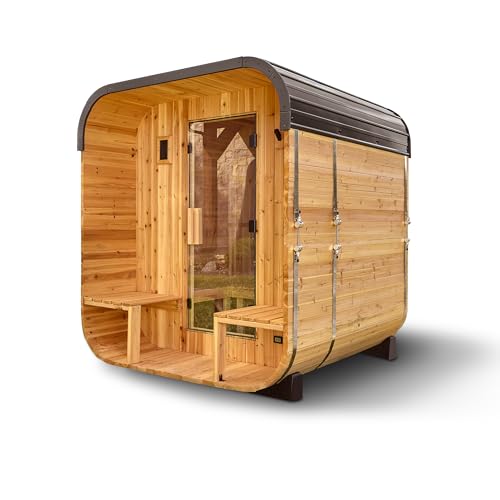
Backyard Discovery Lennon 2-4 Person Traditional Cedar Outdoor Cube Sauna with Porch, Electric Sauna Heater, Sauna Rocks, Dry Heat, Steam Sauna, LED Lights, Wi-Fi Control, Sauna Accessories
Faster Heating, More Relaxing: Powered by our exclusive PrairieFire 9kW electric heater with included stones, this outdoor cedar…
As an affiliate, we earn on qualifying purchases.
As an affiliate, we earn on qualifying purchases.
Frequently Asked Questions
How Does Climate Influence Cladding Material Choice?
Climate considerations markedly influence your cladding material choice because they impact durability and weather resistance. In wet or humid climates, you’ll want materials like cedar or fiber cement that resist moisture and decay. For colder regions, choose sturdy, insulated options that withstand freeze-thaw cycles. By selecting materials suited to your climate, you guarantee your outdoor sauna remains durable, maintains its appearance, and requires less maintenance over time.
What Is the Maintenance Frequency for Different Materials?
If you want your sauna to look fabulous without turning it into a full-time maintenance job, you’ll need to know how often to care for each material. Wood needs annual sealing, while composite lasts longer with minimal upkeep. Metal cladding demands occasional cleaning to maintain durability, and stone only needs a quick wash every few years. Prioritize aesthetic appeal and material durability to keep your outdoor oasis stunning and hassle-free.
Are There Eco-Friendly Cladding Options Available?
Yes, eco-friendly cladding options are available for your outdoor sauna. You can choose recycled materials like reclaimed wood or metal, which reduce waste and environmental impact. Natural options such as cedar or bamboo are also great because they’re sustainable, biodegradable, and have minimal chemical processing. These choices help you create an environmentally responsible sauna that blends beautifully with nature while supporting eco-conscious building practices.
How Do Costs Vary Between Cladding Types?
Think of choosing cladding like picking a sturdy ship—some cost less but might not weather storms as well. Generally, wood offers a balanced cost comparison with good material durability, while metal and composite options can be pricier upfront but last longer. Your budget and desired longevity influence your choice, so weigh initial costs against long-term durability to find the best fit for your outdoor sauna.
Can Cladding Materials Affect Sauna Insulation?
Yes, cladding materials can affect your sauna’s insulation. If you choose materials with high vapor permeability, moisture might seep in, reducing thermal resistance. Conversely, proper cladding with a vapor barrier helps prevent moisture intrusion, maintaining insulation efficiency. Selecting materials that complement your vapor barrier ensures your sauna stays warm and energy-efficient, while protecting it from moisture damage. Always consider how your cladding interacts with vapor barriers and thermal resistance for maximum insulation.

GAF WeatherSide Purity Straight Fiber-Cement Siding Shingles (12×24) 18 Bundle| Fire Resistant & Safe with No Asbestos| Easy to Install with Pre-Primed Textured Surface|Durable with Distinct Design
Authentic Vintage Appearance: Restore the timeless charm of classic homes with our fiber cement siding shingles. Designed to…
As an affiliate, we earn on qualifying purchases.
As an affiliate, we earn on qualifying purchases.
Conclusion
Remember, the right exterior cladding can make or break your sauna’s longevity and charm. Consider factors like durability, weather resistance, and aesthetic appeal to find the best fit. Don’t forget, “A stitch in time saves nine”—investing wisely now prevents costly repairs later. By choosing quality materials suited to your climate, you’ll enjoy your outdoor sanctuary for years to come, creating a cozy retreat that stands the test of time.
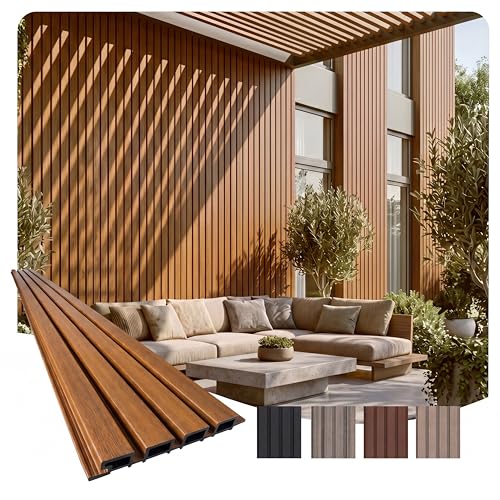
From Plain to Beautiful in Hours WPC Exterior Wall Slat Panels Waterproof Outdoor Composite Siding Cladding 94.5 in x 8.62 in 28.3 sq.ft Light Walnut and Black 5 Pack
Waterproof Interior & Exterior Wall Panels: Upgrade any space with 100% waterproof WPC slat wall panels designed for…
As an affiliate, we earn on qualifying purchases.
As an affiliate, we earn on qualifying purchases.

ZONEMEL Waterproof Sauna Tarp, Heavy Duty Outdoor Cover for Wooden Sauna Room, Barrel Sauna, Camping Tent – Double-Sided Coating, Tear-Resistant, 78.74" x 118.11"
Premium Waterproof Protection: Features a double-sided waterproof coating that effectively resists rain, wind, and moisture. Keeps your sauna…
As an affiliate, we earn on qualifying purchases.
As an affiliate, we earn on qualifying purchases.