
After strength training, make sure to hydrate well before your cold plunge to support recovery and prevent dizziness. Wait at least 10-15 minutes until your heart rate and breathing settle, and keep the water between 50-59°F for maximum benefits. Limit your time to 5-10 minutes and listen to your body, exiting if you feel numb or uncomfortable. Staying safe and mindful helps you get the most from your cold plunge—continue to explore more tips below.

Get wellness gear delivered free with Prime
- Fast, free delivery on millions of items
- Prime Video, Amazon Music and more included
- Member-only deals all year
Key Takeaways
- Do wait at least 10-15 minutes post-workout before taking a cold plunge.
- Do hydrate thoroughly before and after to support recovery and prevent dizziness.
- Don’t stay in the cold water for more than 5-10 minutes to avoid hypothermia.
- Do focus on deep, controlled breathing to manage cold shock and enhance mental clarity.
- Don’t plunge if feeling overly exhausted, unwell, or experiencing numbness or shivering.
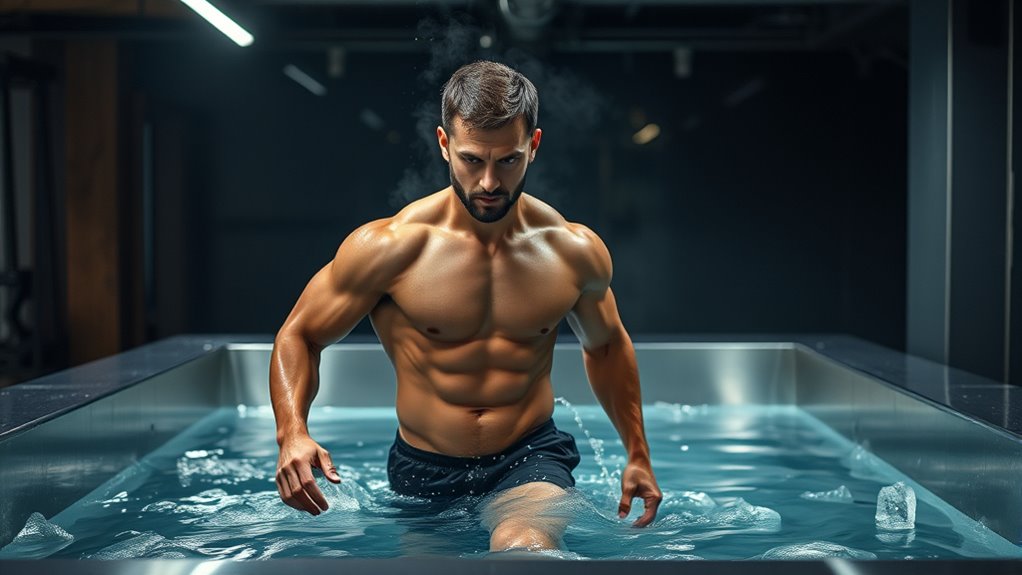
After strength training, taking a cold plunge can offer benefits like reduced muscle soreness and faster recovery, but only if you do it correctly. To maximize these benefits, you need to pay attention to hydration tips and understand the mental benefits. Cold plunges can help reduce inflammation and numb soreness, but dehydration can negate these effects. Make sure you’re well-hydrated before you jump in—drink plenty of water in the hours leading up to your post-workout dip. Proper hydration supports your body’s ability to recover and prevents dizziness or lightheadedness during the cold exposure.
When you step into the cold water, focus on your breathing. Deep, controlled breaths help you stay calm and manage the initial shock of the cold. This mental benefit can boost your resilience and mental clarity, leaving you feeling more focused afterward. If you’re feeling anxious or overwhelmed, remind yourself that the discomfort is temporary and that the cold is working to your advantage. Consistent exposure to cold plunges can also improve your mental toughness over time, helping you better handle stress in other areas of life.
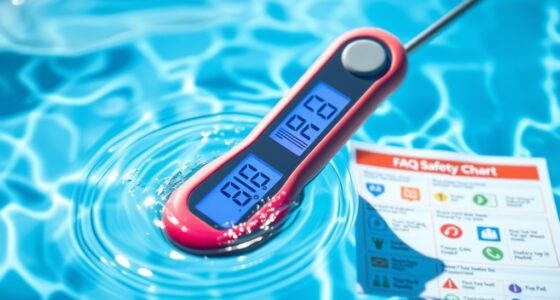
Timing is key. Don’t jump into a cold plunge immediately after lifting heavy weights, especially if you’re fatigued or dehydrated. Wait at least 10 to 15 minutes to allow your heart rate and breathing to stabilize. Also, avoid plunging in ice-cold water if you’re feeling unwell or overly exhausted, as it can strain your cardiovascular system. Instead, aim for a temperature between 50-59°F (10-15°C)—cold enough to stimulate recovery but not so extreme that it causes unnecessary stress.
While the cold plunge can be beneficial, don’t overdo it. Limit your time in the water to 5-10 minutes. Prolonged exposure can lead to hypothermia or negative effects on your circulation. Always listen to your body—if you start shivering uncontrollably or feeling numb, get out immediately. After your cold plunge, rehydrate with water or an electrolyte drink to restore fluid balance and support muscle recovery. Incorporating air quality considerations into your recovery routine can further enhance your overall health and performance. Also, incorporate gentle stretching and warm-up routines afterward to help your muscles relax and prevent stiffness.
Frequently Asked Questions
Can Cold Plunges Improve Muscle Recovery Speed?
Cold plunges can help improve your muscle recovery speed by reducing muscle inflammation and alleviating soreness. The cold shock constricts blood vessels, which decreases swelling and flushes out metabolic waste. Just be cautious not to overdo it, as excessive cold exposure might hinder muscle repair. Use cold plunges strategically after strength training to benefit from reduced inflammation and faster recovery, but always listen to your body’s response.
How Long Should I Stay in the Cold Plunge?
Think of cold exposure as a delicate dance—you don’t want to step on toes. You should stay in a cold plunge for about 5 to 10 minutes to reap the benefits of cold therapy without risking hypothermia. This duration lets your body recover and reduce inflammation. Keep an eye on how you feel, and don’t push beyond your comfort zone. Short, controlled sessions are the key to effective cold exposure.
Is It Safe to Cold Plunge Immediately After Lifting?
It’s generally safe to cold plunge immediately after lifting, but consider your body’s signals. Cold plunges can enhance post-workout benefits like reduced soreness and inflammation. However, guarantee cold plunge safety by avoiding prolonged exposure, especially if you’re new to cold plunging or have medical conditions. Listen to your body, start with shorter durations, and gradually increase to enjoy the benefits without risking adverse effects.
Does Cold Exposure Affect Muscle Growth?
Cold exposure can substantially impact muscle growth, potentially hindering your gains. It may reduce inflammation but also dampen protein synthesis, which is vital for muscle hypertrophy. If you want to maximize your strength training results, avoid cold plunges immediately after lifting, as they might slow down recovery and muscle development. Instead, save cold exposure for later to support your muscles’ full potential to grow and strengthen.
Are There Any Health Risks Associated With Cold Plunging?
Yes, there are health risks associated with cold plunging, especially if you experience cold shock or hypothermia. Cold shock can cause rapid breathing, increased heart rate, or even loss of consciousness, while hypothermia results from prolonged exposure to cold temperatures. To stay safe, limit your time in the cold plunge, get out if you feel dizzy, and avoid plunging if you have cardiovascular issues.
Conclusion
Remember, moderation is key—don’t push yourself too hard with cold plunges right after strength training. Follow the dos and don’ts to maximize recovery and avoid setbacks. Listen to your body and give it time to adapt. As the saying goes, “A stitch in time saves nine.” By taking smart, measured steps, you’ll boost your progress and stay injury-free. Trust the process, and stay consistent for the best results.
Cold & flu season Picks
humidifiers
As an affiliate, we earn on qualifying purchases.