Cold plunge therapy is scientifically proven to speed up recovery, reduce soreness, and improve mental clarity after intense workouts. By immersing in 10-15°C water for 10-15 minutes, you cause blood vessels to constrict, then dilate when you exit, promoting faster healing and reduced inflammation. Following proper protocols—gradually warming afterward and not overdoing the duration—maximizes safety and benefits. If you want to master effective techniques, keep exploring these proven strategies.
Key Takeaways
- Cold plunge reduces muscle soreness, inflammation, and speeds tissue repair by constricting blood vessels and promoting blood flow upon exit.
- Typical protocols involve 10-15 minutes in 10-15°C water, with gradual warming post-immersion for safe recovery.
- The physiological response includes vasoconstriction during immersion and increased circulation afterward, enhancing nutrient delivery.
- Incorporating cold plunges immediately after training or during rest days supports quicker recovery and reduces perceived fatigue.
- Proper safety measures, such as pre-immersion warm-up and controlled environment, maximize benefits and prevent hypothermia.
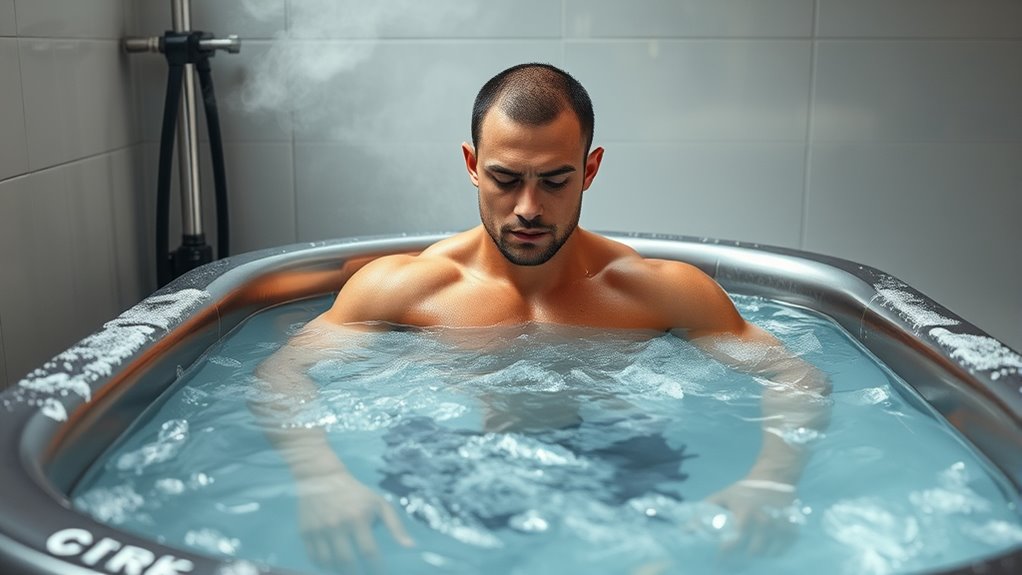
Have you ever wondered how athletes recover so quickly after intense workouts? One popular method gaining attention is the cold plunge, especially ice baths, which are considered a highly effective recovery technique. Ice bath benefits are plentiful, and many athletes swear by them to reduce soreness, speed up healing, and restore their performance levels. When you immerse yourself in cold water after training, it constricts blood vessels, helping to flush out metabolic waste from your muscles and reduce inflammation. This process minimizes swelling and eases muscle soreness, making it easier for you to get back to training sooner.
Recovery techniques like cold plunges aren’t just about feeling refreshed—they’re backed by science. When you step into a cold bath, your body responds by decreasing blood flow to the muscles, which limits tissue breakdown and swelling. Once you get out, blood rushes back in, bringing fresh nutrients and oxygen that promote faster repair. This cycle of constriction and dilation accelerates recovery, making cold plunge therapy a popular choice among athletes aiming for quick turnaround times. Additionally, the cold immersion can elevate your mental focus and reduce perceived fatigue, giving you a psychological boost along with physical benefits.
Cold plunges enhance recovery by reducing swelling and boosting blood flow for faster muscle repair.
Using cold plunge protocols properly is essential to maximize the benefits. Typically, athletes spend between 10 to 15 minutes in water that’s around 10-15°C (50-59°F). Staying in longer than that can lead to discomfort or even hypothermia, so it’s important to maintain a safe and controlled environment. Before jumping in, you might want to prepare your body with some light stretching or warm-up exercises, as cold water can be a shock to your system if you’re not warmed up. Post-immersion, warming up gradually helps your body reset without causing additional stress. Some athletes prefer cold plunges immediately after training, while others incorporate them during rest days to maintain recovery momentum. Incorporating air purifiers into your recovery space can help improve indoor air quality, supporting overall health and well-being during your training routines.
Incorporating cold plunges into your recovery routine can be straightforward and highly effective. It’s a low-cost, accessible method that complements other recovery techniques like stretching, foam rolling, or massage. Remember, consistency matters; regular cold immersion sessions can lead to less muscle soreness and quicker recovery times over time. So, if you’re looking to optimize your athletic performance and bounce back faster from tough workouts, cold plunges might just be a crucial part of your recovery arsenal.

The Cold Pod Ice Bath Tub for Athletes with Cover: 88 Gallons Cold Plunge Tub for Recovery, Multiple Layered Portable Ice Bath Plunge Pool
Multiple layered Ice Tub,The Cold Pod cold water therapy tub is engineered from multiple layers of robust, waterproof…
As an affiliate, we earn on qualifying purchases.
As an affiliate, we earn on qualifying purchases.
Frequently Asked Questions
How Long Should I Stay in a Cold Plunge for Optimal Recovery?
You should stay in a cold plunge for about 10 to 15 minutes for ideal recovery. Keep the cold water duration short to avoid hypothermia or excessive stress on your body. Immersion time varies based on your tolerance, but generally, 10 minutes is sufficient to reduce inflammation and muscle soreness. Listen to your body, and if you feel uncomfortable, exit the cold water immediately.
Can Cold Plunges Help Prevent Muscle Soreness After Workouts?
Imagine stepping into a cold plunge right after your workout; you might notice reduced muscle inflammation and a boost in blood flow. Cold plunges can help prevent muscle soreness by constricting blood vessels, which decreases swelling, then dilating them afterward to promote healing. This rapid change aids in flushing out waste and delivering nutrients, ultimately helping you recover faster and stay ready for your next training session.
Are There Any Risks Associated With Cold Water Immersion?
Yes, cold water immersion can pose risks like hypothermia, especially if you stay in too long or the water’s too cold. You should also be cautious if you have cardiovascular concerns, as sudden cold exposure can strain your heart. Always limit immersion time, monitor your body’s response, and consult a healthcare professional if you have pre-existing health issues to minimize these risks.
What Is the Ideal Temperature Range for Cold Plunges?
Perfectly positioned, the ideal cold plunge temperature typically teeters between 50°F and 59°F (10°C-15°C). You should prioritize precise temperature sensing, ensuring water conductivity is consistent for safety. Temperature sensors help you monitor and maintain peak levels, preventing risks like hypothermia or cold shock. Staying within this range maximizes recovery benefits, balancing briskness with safety, so you can plunge confidently and comfortably.
How Frequently Should Athletes Use Cold Plunges During Training?
You should use cold plunges 2-3 times per week during training, ensuring you follow proper hydration strategies to replenish fluids lost. Incorporate cold exposure after intense workouts to maximize psychological benefits like reduced stress and improved mental clarity. Listen to your body; if you feel fatigued or overly cold, give yourself rest days. Consistent use can enhance recovery, boost mood, and support overall athletic performance.

Bubplay Ice Bath Cold Plunge Tub with Cover for Indoor Outdoor for Recovery, Cold Water Therapy, Athletes & Adults -105 Gallons, Black, XL
【XL Full-Body Cold Plunge for Most Adults】 Designed for an immersive ice bath / cold plunge experience with…
As an affiliate, we earn on qualifying purchases.
As an affiliate, we earn on qualifying purchases.
Conclusion
Incorporating cold plunges into your recovery routine can be a game-changer, helping you bounce back faster and perform better. The science supports its benefits, but remember, consistency is key. Like a well-tuned engine, your body needs care and precision. So, why not embrace this chilly ritual? It’s a small step with the potential to unleash your greatest athletic potential—an icy secret waiting to be revealed. Immerse yourself and let recovery flow.
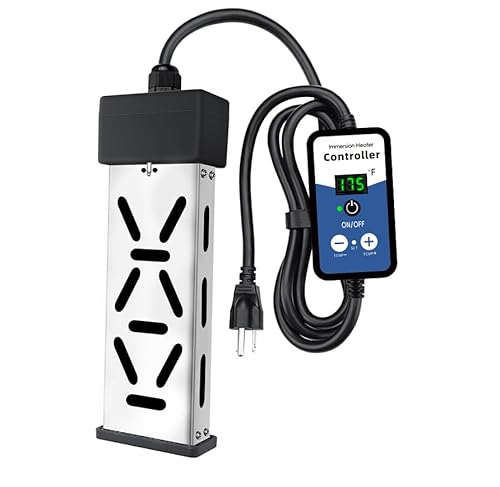
Portable Immersion Water Heater 1800W 120V, Electric Heater for Buckets, Bathtubs and Mini Pools, Submersible Design with Thermostat, Real Time Temperature Display and Dry Burn Protection
Smart Temperature Control With Thermostat: This immersion water heater features smart temperature control with an adjustable thermostat. Set…
As an affiliate, we earn on qualifying purchases.
As an affiliate, we earn on qualifying purchases.

BAOSHISHAN Ice Bath Accessories Kit, Cold Plunge Kit with 317GPH External Pump, Filter, 1/2” to 0.71" Connector, Hose, Compatible 500L 300L Aquarium Chiller & Inflatable Cold Plunge Tub
Compatibility with Chiller & Ice Bath Tub — Engineered exclusively for seamless integration with our BAOSHISHAN 300L 500L…
As an affiliate, we earn on qualifying purchases.
As an affiliate, we earn on qualifying purchases.