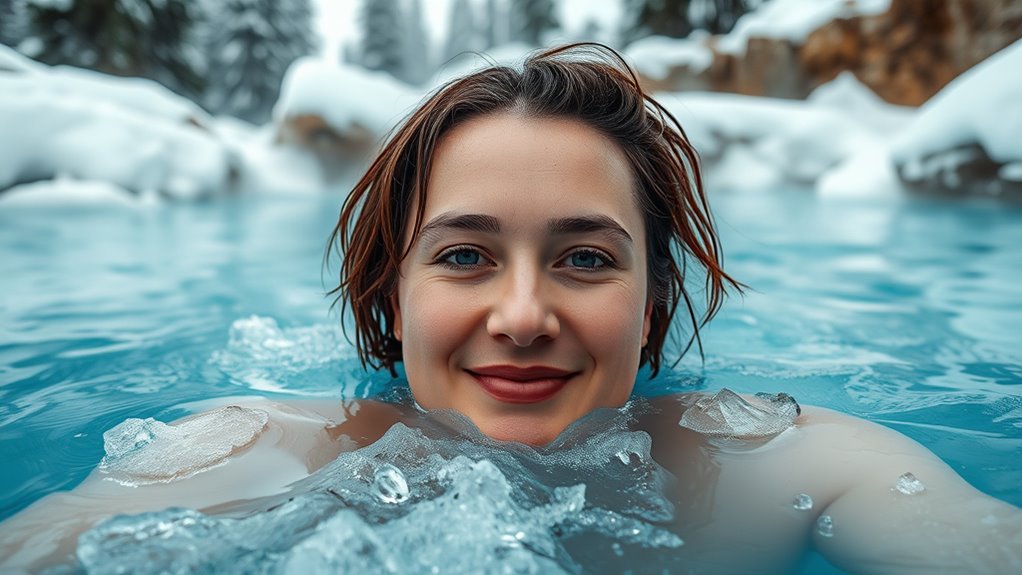

Cold plunges can boost your mood, improve mental sharpness, and help your muscles recover faster by reducing inflammation. However, they also come with risks like hypothermia and putting strain on your heart, especially if you stay in too long or have health issues. To stay safe, start slowly, limit your time, and listen to your body. Want to discover practical tips to enjoy the benefits safely? Keep exploring to learn more.

Get wellness gear delivered free with Prime
- Fast, free delivery on millions of items
- Prime Video, Amazon Music and more included
- Member-only deals all year
Key Takeaways
- Cold plunges boost mental alertness, mood, and muscle recovery by reducing inflammation and stimulating the nervous system.
- They cause skin vasoconstriction and increase adrenaline, helping the body regulate temperature and enhance resilience.
- Risks include hypothermia, skin irritation, and strain on the heart, especially with prolonged exposure or pre-existing health issues.
- Safety tips involve gradual temperature reduction, limiting immersion to 1-3 minutes, and staying calm and aware of body signals.
- People with certain health conditions or sensitivities should consult a healthcare professional before attempting cold water immersion.
How Cold Plunges Affect Your Body

When you plunge into cold water, your body responds quickly to the sudden temperature change. You’ll likely notice your muscles start to shake—the shivering reflex kicks in to generate heat and maintain your core temperature. At the same time, your skin undergoes vasoconstriction, where blood vessels near the surface narrow to reduce heat loss. This process redirects blood flow toward your critical organs, helping preserve core warmth. Your heart rate may increase as your body adjusts, and you might feel a surge of adrenaline. These reactions are automatic, part of your body’s effort to protect itself from the cold. Understanding these responses helps you recognize how your body reacts in cold water and prepares you for safe immersion. Proper knowledge of body temperature regulation can further help you manage risks associated with cold plunges.
Major Benefits of Cold Water Immersion

Immersing yourself in cold water offers several notable health benefits that can enhance your physical and mental well-being. One major advantage is the boost in mental clarity it provides, helping you feel more alert and focused. Cold water immersion triggers a cold shock response, which stimulates your nervous system and can improve mood and reduce stress. Additionally, it promotes faster recovery by reducing inflammation and soreness in muscles after exercise. Regular cold plunges may strengthen your immune system, making you less susceptible to illness. Many also find that the invigorating experience increases resilience and mental toughness. Overall, cold water immersion offers a simple way to sharpen your mind, support recovery, and boost your overall health in a natural, accessible manner. Incorporating proper safety precautions ensures a safer experience while enjoying these benefits.
Potential Risks and When to Be Careful

While cold water immersion offers many benefits, it’s important to understand the potential risks involved. Hypothermia concerns are real if you stay in cold water too long or if your body isn’t prepared for the chill. Signs like shivering, dizziness, or confusion mean you should exit immediately. Skin irritation is another risk, especially if the water is contaminated or if you have sensitive skin. Prolonged exposure can lead to redness, rashes, or discomfort. People with certain health conditions, such as cardiovascular issues, should be extra cautious, as cold plunges can strain the heart. Always listen to your body and avoid pushing beyond your comfort level. Being aware of these risks helps you enjoy cold plunges safely and avoid unnecessary harm. Passive voice detection can help you identify and improve unclear or weak sentences in your writing.
Tips for Safe and Effective Cold Plunging

To enjoy cold plunging safely and effectively, it’s essential to prepare properly and listen to your body. Start with brewing techniques like gradually lowering the water temperature over time, allowing your body to adapt without shock. Practice meditation techniques beforehand to calm your mind and stay focused during the immersion. Set a clear time limit, typically between one and three minutes, and avoid pushing beyond your comfort zone. Keep a warm towel or blanket nearby to warm up afterward, and hydrate well afterward to replenish fluids. Throughout your plunge, pay attention to how you feel—if you experience dizziness or intense discomfort, exit immediately. Consistent preparation, mental focus, and listening to your body help ensure a safe and effective cold plunging experience. Understanding cold exposure benefits can motivate you to stay committed and mindful during each session.
Who Should Avoid Cold Water Dips

Certain health conditions can make cold water dips risky, so it’s important to know if you should avoid them. If you have cold intolerance, your body struggles to handle low temperatures, which can lead to shock or hypothermia. People with certain skin conditions, like eczema or psoriasis, may find that cold water worsens irritation or causes discomfort. Additionally, if you have poor circulation or cardiovascular issues, the sudden cold can strain your heart and blood vessels. Always consult your healthcare provider before trying cold plunges if you fall into these categories. Skipping cold water dips might be the safest choice to avoid potential health complications. Prioritizing your safety ensures you enjoy benefits without risking your well-being. Being aware of local business hours can help you plan visits to wellness centers or spas offering cold plunge services at optimal times.
Frequently Asked Questions
Can Cold Plunges Improve Mental Health or Reduce Anxiety?
Cold plunges can boost your mental health benefits by helping reduce anxiety. When you immerse yourself in cold water, your body releases endorphins, which lift your mood and decrease stress. This practice can also improve your resilience to anxiety over time. By regularly taking cold plunges, you may find yourself feeling calmer and more focused, making it a simple, natural way to support your mental well-being.
How Long Should a Typical Cold Plunge Session Last?
You should keep your cold plunge session short and sweet—about 3 to 5 minutes. Following duration guidelines guarantees safety considerations are met, preventing hypothermia or shock. Start with a brief dip, gradually increasing time as your body adapts. Listen to your body; if you feel numb or uncomfortable, it’s time to get out. Remember, slow and steady wins the race, especially with cold exposure.
Are There Any Long-Term Health Benefits From Regular Cold Plunging?
Yes, regular cold plunging can offer long-term effects like improved circulation, reduced inflammation, and enhanced immune function. These chronic benefits may help you recover faster and boost your overall resilience. Consistent exposure to cold water can also improve mental clarity and reduce stress over time. However, it’s important to listen to your body and consult a healthcare professional to guarantee you’re safely experiencing these long-term health benefits.
What Are the Signs of Hypothermia During Cold Water Immersion?
If you’re cold water immersion, watch for signs of hypothermia like intense shivering symptoms and skin pallor. You might also feel numbness, confusion, or fatigue. If these symptoms appear, get out of the water immediately, warm yourself gradually, and seek medical attention if necessary. Recognizing these signs early helps prevent serious health issues and guarantees you stay safe during cold plunges.
Can Cold Plunges Help With Athletic Recovery or Performance?
Think of a cold plunge as a reset button for your muscles. It can help with athletic recovery by reducing inflammation and easing muscle soreness after intense workouts. Submerging in cold water constricts blood vessels, which flushes out metabolic waste and lessens swelling. While it may not boost performance directly, regular cold plunges can speed up recovery, helping you get back to training stronger and faster.
Conclusion
Cold plunges can boost your recovery, improve circulation, and elevate mood when done safely. However, about 10% of people experience adverse effects, so knowing your limits is essential. Always listen to your body and follow safety tips to enjoy the benefits without risks. With proper precautions, cold water immersion can be a invigorating and healthful addition to your routine—just stay informed and cautious to make the most of this cool trend.
Evergreen bestsellers Picks
bestsellers
As an affiliate, we earn on qualifying purchases.