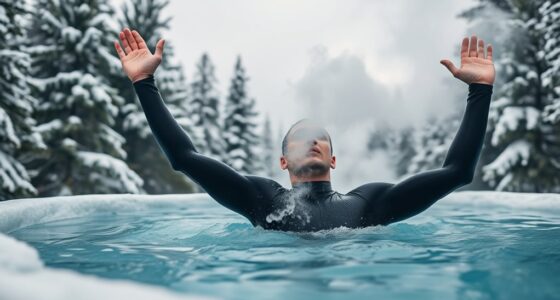
Throughout history, people have used cold water immersion for spiritual, health, and cultural reasons. Ancient civilizations like Greece, Egypt, and Rome incorporated cold water rituals into their practices, believing they boosted healing, mental clarity, and spiritual connection. These traditions emphasized discipline, mindfulness, and resilience. Over time, such practices evolved but still remain meaningful today, serving as a powerful tool for well-being. If you want to explore how these traditions continue to influence modern practices, there’s more to discover.
Key Takeaways
- Cold water immersion practices date back centuries and were integral to spiritual, health, and communal rituals in ancient cultures.
- Rituals emphasized discipline, precise techniques, and spiritual connection, fostering mental resilience and mindfulness.
- Ancient Greece, Rome, and Egypt valued cold baths for recovery, spiritual renewal, and social bonding through communal immersion.
- These traditions have evolved but still influence modern practices focused on stress reduction, mental clarity, and emotional balance.
- The enduring legacy highlights cold water immersion as a timeless method for physical and spiritual well-being across civilizations.
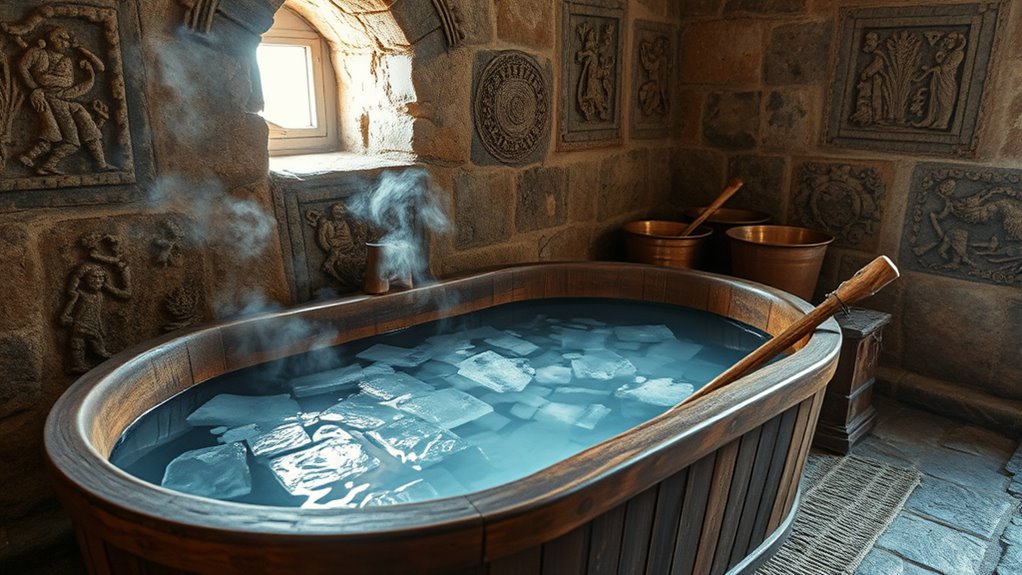
Cold water immersion has been practiced for centuries, dating back to ancient civilizations that recognized its restorative and therapeutic benefits. These early cultures often incorporated cold water rituals into their spiritual and health practices, believing that immersing oneself in icy waters could promote physical healing, mental clarity, and spiritual renewal. The meditative benefits of cold immersion are well-documented across various historical rituals, where the act of submerging was seen as a way to achieve mental discipline and emotional resilience. Ancient Greeks, Romans, and Egyptians all valued cold water baths, not only for their health perks but also as spiritual ceremonies that fostered mindfulness and inner strength. These rituals often involved precise timing, specific techniques, and communal participation, emphasizing discipline and reverence for the healing power of water. Additionally, the repetitive nature of cold water immersion helped practitioners develop mental fortitude and emotional resilience, reinforcing the spiritual and physical aspects of these traditions. You might find it fascinating how these rituals served multiple purposes—cleansing the body, sharpening the mind, and connecting individuals with their spiritual beliefs. In ancient Greece, for instance, athletes used cold baths to recover after competitions, turning this physical act into a meditative moment of mental focus and resilience. Similarly, Roman baths often included cold plunge pools, which were integral to social and spiritual gatherings, encouraging reflection and mental clarity. In many cultures, these rituals weren’t just about physical health but also about achieving a meditative state—calming the mind amid the chaos of everyday life. The repetitive nature of immersing oneself in cold water helped practitioners cultivate patience, mental fortitude, and a heightened sense of awareness, making it an early form of meditation.
Throughout history, these cultural traditions have evolved but still hold significance today. Many modern cold water practitioners see their practices as a way to connect with these ancient rituals, experiencing meditative benefits such as reduced stress, improved focus, and emotional balance. The act of immersing oneself in cold water becomes a form of mindfulness, grounding you in the present moment and fostering a sense of calm that echoes through centuries of cultural practice. Whether it’s through traditional rituals or contemporary cold plunges, the essence remains the same: harnessing the power of water to promote mental clarity and spiritual well-being. The rich history of these rituals continues to inspire those seeking physical and spiritual renewal, proving that cold water immersion’s roots run deep across civilizations and centuries.
Frequently Asked Questions
How Did Ancient Civilizations Discover Cold Water Benefits?
You can see that ancient civilizations discovered cold water benefits through their focus on ancient wellness and ritual purification. They observed how immersing in cold water helped cleanse the body and spirit, often as part of spiritual or healing practices. By experimenting with natural resources, they naturally found that cold water could invigorate, heal, and purify, leading to the long-standing tradition of cold water immersion in various cultural rituals worldwide.
Were There Any Specific Rituals Associated With Cold Water Immersion?
Imagine you’re stepping into ancient waters, where meditative rituals and purification ceremonies often accompanied cold water immersion. These rituals aimed to cleanse both body and spirit, fostering mental clarity and spiritual renewal. Cultures like the Greeks and Japanese incorporated specific practices, such as prayer or mindful breathing, to enhance the experience. Today, these traditions still influence modern wellness routines, connecting you to centuries of cultural reverence for cold water’s transformative power.
Did Indigenous Cultures Have Unique Cold Water Practices?
Yes, indigenous cultures had unique cold water practices with deep cultural significance. You might learn that tribes like the Māori in New Zealand perform the haka before ceremonial swims, symbolizing strength and unity. Native American tribes often used cold water rituals for purification, healing, or spiritual connection. These indigenous rituals reflect their respect for nature and belief in the spiritual power of water, making cold water immersion a essential part of their cultural identity.
How Did Cold Water Immersion Evolve in Different Regions?
Like rivers carving through land, cold water immersion evolved uniquely across regions. You see regional variations shaped by climate, beliefs, and local customs, creating a tapestry of cultural adaptations. In Nordic lands, it became a way to toughen the body, while in Japan, it’s about spiritual cleansing. These diverse practices reflect how communities embrace cold water, turning a simple act into a meaningful tradition that flows with their history and environment.
Were There Any Myths or Legends Linked to Cold Water Baths?
You’ll find that many myths and legends surround cold water baths, often symbolizing purification, renewal, or divine connection. Some believe these baths have mythical origins, linked to gods or legendary heroes who used water for healing or strength. These stories highlight the symbolism of cold water as a gateway to spiritual cleansing or transformation, reinforcing its cultural importance across different societies and emphasizing its mystical power beyond mere physical benefits.
Conclusion
Now, imagine you’re feeling exhausted after a long run and decide to try cold water immersion like athletes do. Just like marathon runner Sarah, who credits her recovery to ice baths, you could experience reduced soreness and refreshed energy. Throughout history, cultures have used cold water to heal and invigorate. Embracing this tradition might just boost your well-being, connecting you to a timeless practice that’s helped people recover and thrive for centuries.