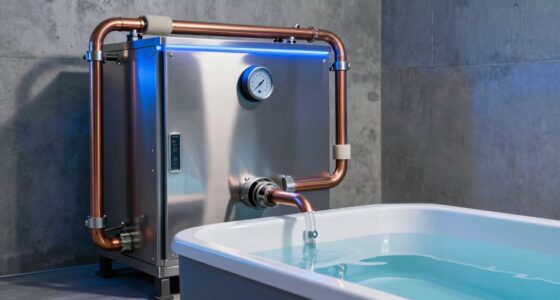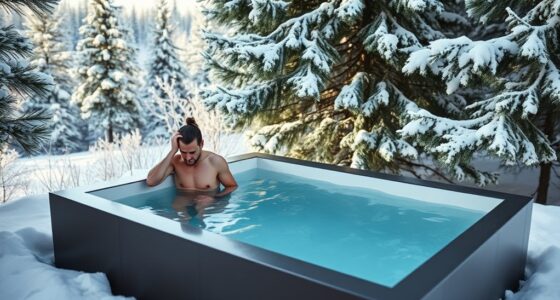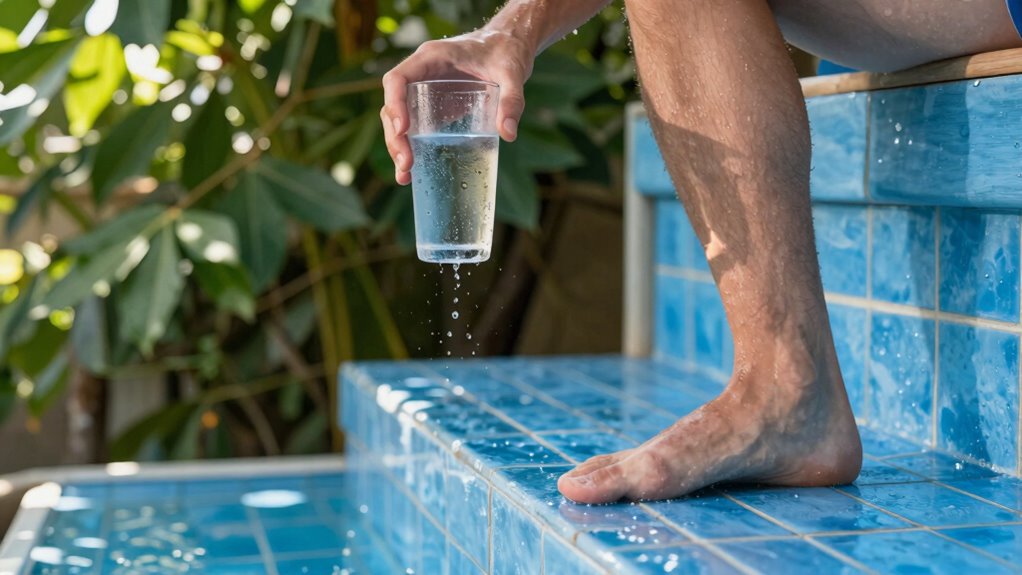
To cool down fast after a sauna without feeling awful, gradually reduce your body temperature by splashing your face with water, sitting in a cool, ventilated space, and moving gently to promote circulation. Stay well-hydrated with small sips of water or electrolyte drinks, and avoid rushing into cold showers. Watch for signs of dizziness or chills, and if you feel unwell, stop and rest. Keep exploring for more tips to recover safely and comfortably.

Get wellness gear delivered free with Prime
- Fast, free delivery on millions of items
- Prime Video, Amazon Music and more included
- Member-only deals all year
Key Takeaways
- Gradually cool your body by splashing face with water and sitting in a cool, well-ventilated space for 10-15 minutes.
- Stay hydrated with small sips of water or electrolyte drinks to support natural cooling and prevent dehydration.
- Use slow, controlled movements like walking or gentle stretching to stimulate circulation safely.
- Avoid sudden cold plunges; instead, opt for moderate cooling methods to prevent shock and chills.
- Monitor your body for signs of discomfort, and stop cooling if you feel dizzy, weak, or unwell.
As an affiliate, we earn on qualifying purchases.
Why Cooling Properly After Sauna Matters
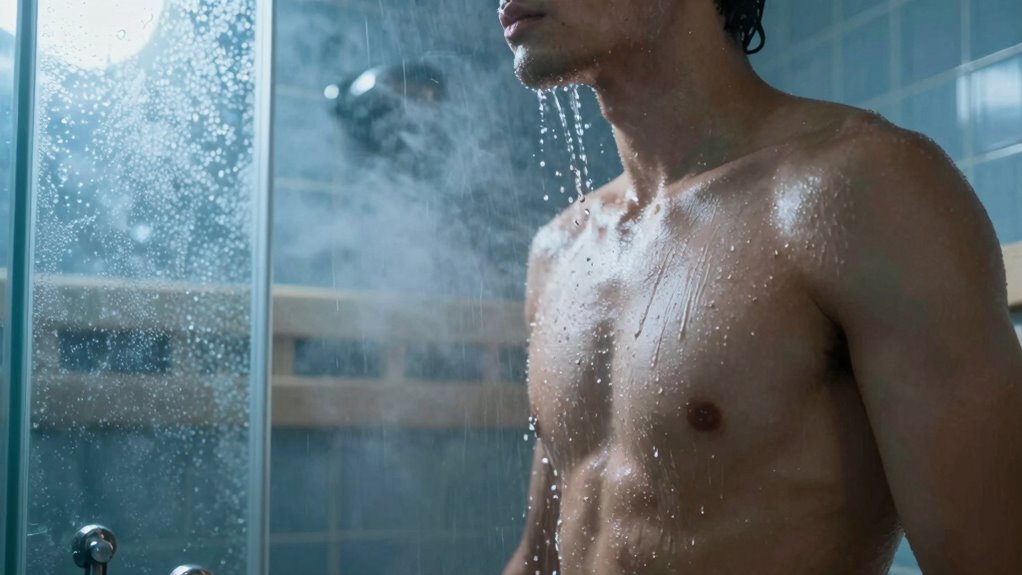
Cooling properly after a sauna is essential because it helps your body gradually return to its normal temperature, preventing stress on your cardiovascular system. When you cool down too quickly, you risk dizziness or fainting, which can be dangerous. Sauna etiquette varies across cultures; some emphasize a slow, mindful cool-down, respecting local customs, while others may have specific practices. Being aware of cultural differences guarantees you’re respectful and safe, especially if you’re visiting a sauna abroad. Proper cooling also helps prevent muscle stiffness and dehydration. It’s not just about your health—following proper protocols shows respect for the shared space and its traditions. Taking your time to cool down thoughtfully supports your well-being and makes the experience more enjoyable. Additionally, incorporating body-based methods can enhance your recovery and overall relaxation after the heat.
As an affiliate, we earn on qualifying purchases.
How Quickly Should You Cool Down Safely
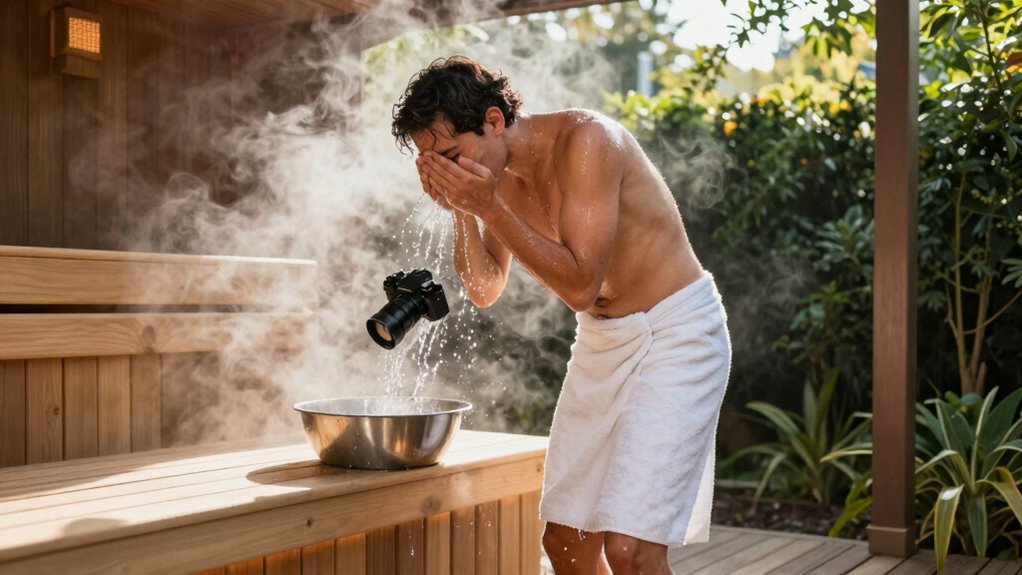
Knowing how quickly to cool down after a sauna can make a significant difference in how safely and comfortably you recover. The key is to use effective cooling techniques that promote gradual temperature regulation. You shouldn’t rush into cold showers or abrupt temperature drops, as this can shock your body. Instead, allow your body to naturally cool down over 10 to 15 minutes, gradually bringing your core temperature back to normal. Light activities like sitting in a cool room or splashing your face help facilitate safe temperature regulation. This steady approach helps prevent dizziness or fainting and guarantees your body adjusts smoothly. Additionally, maintaining good air quality in your home can enhance your recovery experience, as digital content formats can provide insights into optimal recovery practices. Understanding the importance of contrast ratios in visual quality can also help you create a relaxing environment. Incorporating proper hydration is essential during this cooling process, as staying hydrated aids in temperature regulation. Remember, family waterpark safety tips can also apply to your overall wellness routine, emphasizing the importance of gradual adaptation to temperature changes. Listen to your body’s signals, and avoid overcooling, which can cause discomfort or chills.
As an affiliate, we earn on qualifying purchases.
Hydrate to Speed Up Your Recovery
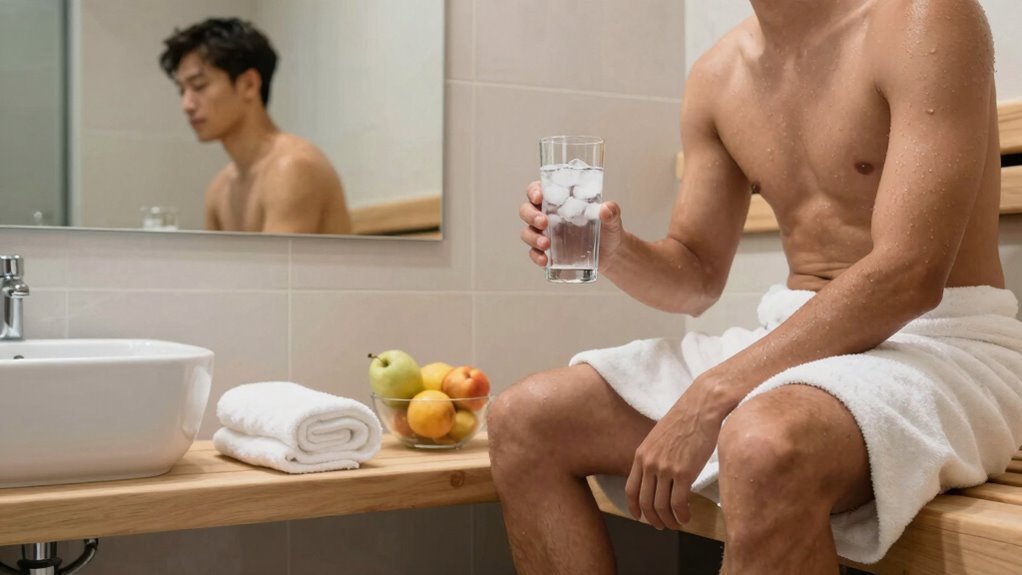
After a sauna session, rehydrating is essential to support your body’s recovery process. Proper hydration techniques help replenish lost fluids and electrolytes, reducing fatigue and preventing dizziness. Drinking water is the most straightforward way, but adding electrolyte drinks can boost recovery. Be cautious of sauna myths that suggest you need to overhydrate; your body only needs enough fluids to restore balance. Avoid sugary or caffeinated beverages, as they can dehydrate you further. Instead, opt for small, frequent sips of water or electrolyte-rich drinks. Staying hydrated not only speeds up recovery but also helps your body cool down naturally. Additionally, engaging in cultural festivals can provide a refreshing mental break that enhances your overall well-being. Remember, consistent hydration is key to feeling better quickly after a sauna, so listen to your body’s signals and hydrate accordingly. Incorporating effective emotional skills can enhance your overall well-being and make your post-sauna experience more enjoyable. Furthermore, incorporating necessary cookies into your web browsing can also improve your online experience, ensuring your preferences are respected while you recover. Using proper hydration techniques can significantly improve your body’s ability to recover after heat exposure, similar to how Gold IRAs can be a solid investment strategy for long-term financial health.
As an affiliate, we earn on qualifying purchases.
Effective Ways to Cool Down: Water, Movement, and Environment

To cool down effectively after a sauna, you should start by drinking cold water to lower your core temperature. Incorporate light movement, like walking or stretching, to help your body gradually adjust. Also, creating a cool environment with air circulation or a shower speeds up the cooling process.
Hydrate With Cold Water
Cooling down after a sauna is most effective when you hydrate with cold water, as it helps lower your core temperature quickly. Cold water is a key component of cooling techniques and hydration strategies that restore balance and prevent overheating. Drinking chilled water or pouring it over your skin can rapidly reduce your body temperature and refresh your senses. Additionally, using outdoor ovens for cooking can provide a delightful way to enjoy meals post-sauna without intense heat. Maintaining indoor air quality is also essential, as poor air can hinder your recovery after heat exposure. Regular hydration supports skin health and can help with glycolic acid effectiveness in your skincare routine. Keep a bottle nearby and take small sips often, ensuring consistent hydration. Remember, staying hydrated with cold water not only cools you down but also replenishes lost fluids, reducing dizziness and fatigue. This simple yet powerful method supports your body’s natural cooling process, making your post-sauna recovery smoother and more comfortable. Prioritizing hydration with cold water is essential for a safe and effective cool-down. Additionally, maintaining proper battery care is crucial for ensuring optimal performance and longevity of devices that track your hydration levels. To enhance your indoor environment, consider how light and humidity can affect your overall comfort and recovery.
Engage in Light Movement
Engage in Light Movement (Effective Ways to Cool Down: Water, Movement, and Environment)
Engaging in light movement helps your body gradually return to its normal temperature without causing further stress. Gentle activities like walking or stretching stimulate circulation and promote cooling. Additionally, incorporating top car protection accessories into your routine can enhance your overall comfort while you relax. Focus on breathing techniques to deepen your relaxation and reduce heat buildup. As you move, keep your movements slow and controlled to avoid overexertion. Incorporate mental relaxation techniques, such as mindfulness or visualization, to ease your mind and body. This combination helps your sweat evaporation and cools you down comfortably. Remember, the goal is to aid your body’s natural cooling process without pushing yourself too hard. Additionally, understanding the impact of UBI on personal well-being can enhance your overall relaxation during this cooling process.
- Walk slowly outdoors or around your space
- Do gentle stretching exercises
- Practice deep, steady breathing
- Use visualization to relax your mind
- Maintain a comfortable, relaxed posture
Optimize Cool Environment
Creating a cooler environment around you accelerates your body’s natural cooling process after a sauna session. To optimize cooling, focus on improving temperature regulation and air circulation. Keep the room well-ventilated with fresh air flowing constantly, which helps remove residual heat and sweat vapor. Use fans or open windows to enhance air circulation, preventing hot, stagnant air from lingering. Lowering the ambient temperature reduces your body’s internal heat more efficiently, aiding your recovery. Avoid enclosed spaces that trap heat; instead, choose a shaded, breezy spot or a cooled room. By maintaining a cooler environment, you support your body’s ability to regulate temperature quickly, minimizing discomfort and helping you feel better faster after your sauna.
Signs You Should Pause or Seek Help
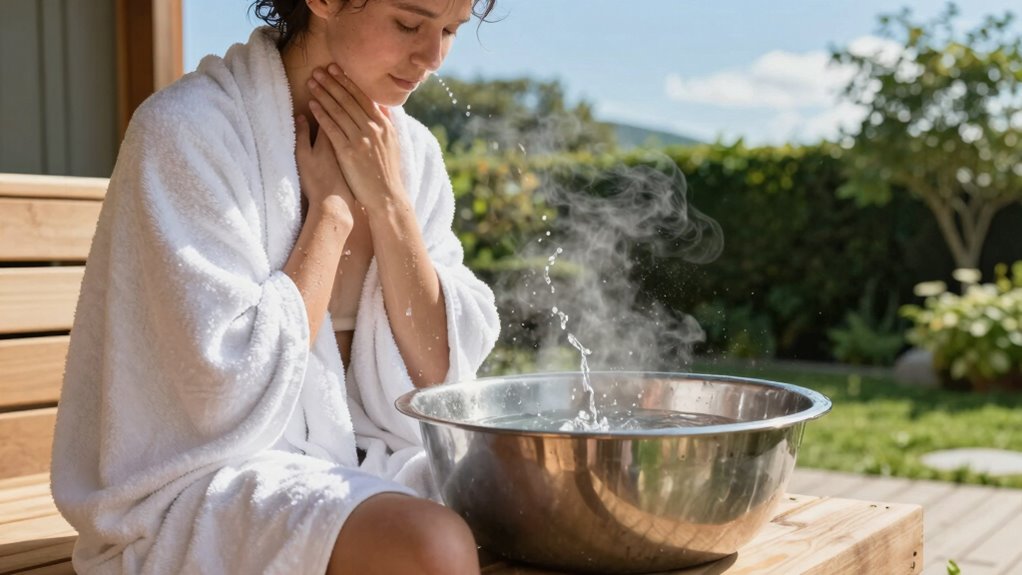
Pay attention to how your body feels during and after a sauna session; recognizing warning signs can prevent health issues. If you notice any of these, it’s time to pause or seek help. During post sauna relaxation, if you experience dizziness, chest pain, or extreme weakness, stop immediately. Headaches or nausea that don’t improve after skin cooling techniques are signs to take seriously. Rapid heartbeat or confusion could indicate dehydration or heat exhaustion, which is similar to the market volatility seen in crypto trading. Additionally, everyday awareness is crucial for recognizing your body’s limits. In high-traffic areas, managing humidity levels can also affect your overall well-being. Also, if your skin turns pale, clammy, or you feel faint, seek medical attention promptly. Trust your body’s signals and don’t ignore persistent discomfort. Remember, appropriate post sauna relaxation and skin cooling techniques are vital, but knowing when to stop is crucial for your safety. Additionally, incorporating self-awareness techniques can enhance your ability to recognize these warning signs. Staying hydrated with safety products designed for wellness can further support your health during sauna sessions. Prioritize your health to enjoy future sessions safely.
Common Mistakes That Make Discomfort Worse
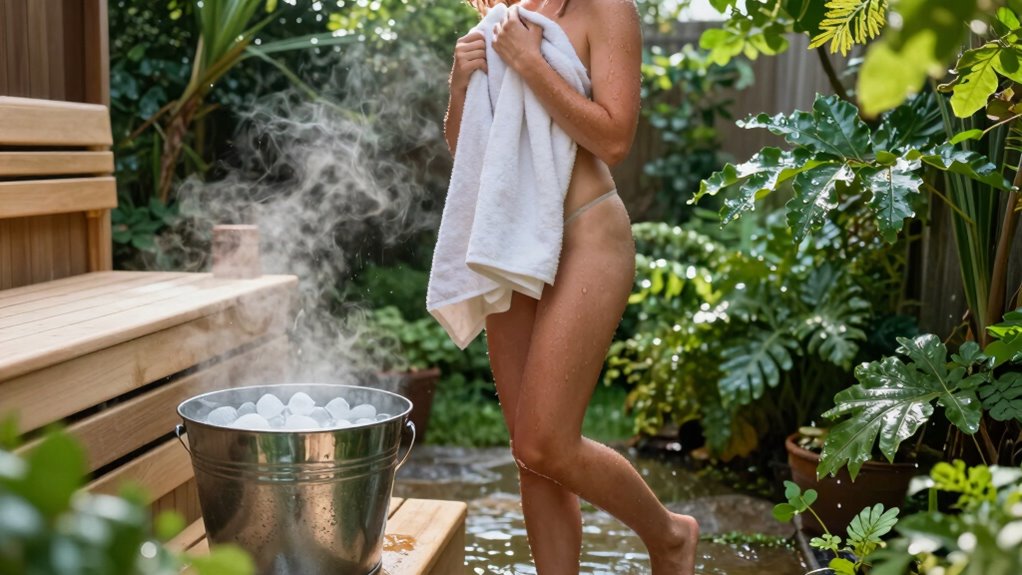
You might think cooling down quickly or ignoring how your body feels will help, but these mistakes can make discomfort worse. Overcooling immediately after a sauna can shock your system, while ignoring your body’s signals might hide signs of distress. Pay attention to what your body tells you to avoid these common pitfalls. Additionally, effective client engagement strategies can enhance your overall well-being by promoting a balanced approach to recovery.
Overcooling Immediately After
Immediately cooling down with cold water or ice can seem like a good idea, but rushing into extreme overcooling can actually worsen your discomfort. Overcooling risks include triggering sudden chills, which can make you feel colder and more uncomfortable. If you plunge into ice water too quickly, your body might react with a shock response, intensifying your discomfort rather than alleviating it.
To avoid this, keep in mind:
- Avoid sudden temperature changes
- Don’t immerse yourself in ice water immediately
- Don’t skip gradual cooling steps
- Watch for signs of feeling too cold or shivering
- Don’t ignore your body’s signals to warm up
Taking it slow helps your body adapt and prevents the discomfort that comes from abrupt overcooling.
Ignoring Body Signals
Ignoring your body’s signals during the cooling process can lead to increased discomfort and even health risks. If you push yourself to cool down too quickly or overlook signs of dizziness, chills, or weakness, you might worsen your experience. Your body gives clear signals when it’s time to slow down or adjust, so pay attention. Overcooling risks increase when you dismiss these cues, potentially leading to muscle stiffness, shivering, or feeling lightheaded. Instead of rushing, listen carefully to what your body tells you. If you start feeling cold or unwell, take a break, warm up slightly, or hydrate. Respecting your body’s signals ensures a safer, more comfortable recovery after the sauna, preventing unnecessary discomfort or health issues.
Tips for Staying Relaxed During Cooling
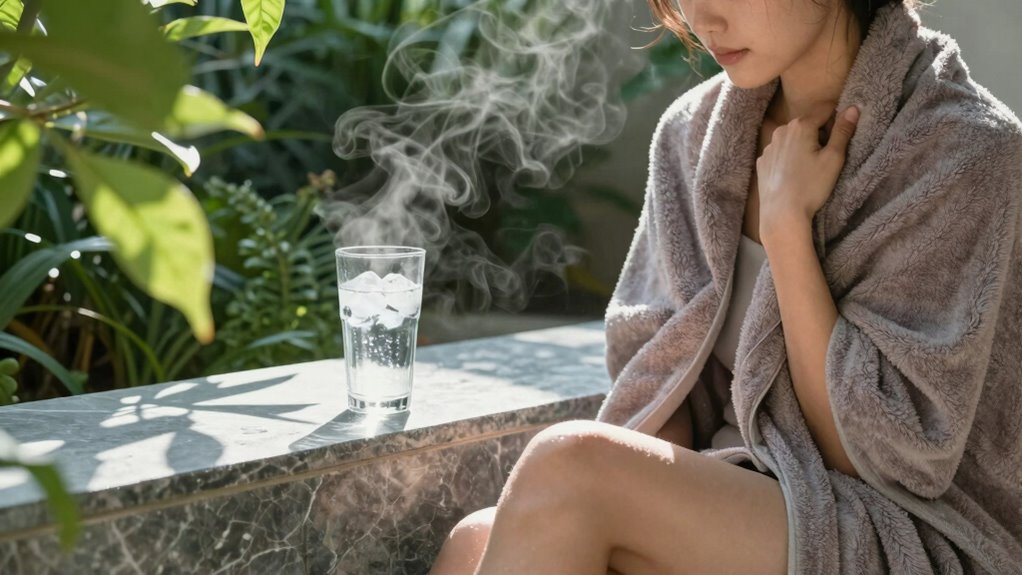
Cooling down after a sauna can be a peaceful experience if you focus on staying relaxed. To do this, incorporate breathing techniques and mental relaxation strategies to keep your mind calm. Deep, slow breaths help lower your heart rate and reduce stress, making the cooling process smoother. Focus on positive imagery or gentle affirmations to maintain mental clarity. Avoid rushing; instead, stay present with each breath and sensation. To help, try these tips:
- Practice slow, diaphragmatic breathing
- Visualize a calming scene
- Keep your eyes closed and relax your face
- Focus on the sensation of cool air on your skin
- Use gentle mental affirmations like “I am relaxed”
Staying mindful during cooling enhances your recovery and prevents discomfort.
What to Do if You Feel Dizzy or Unwell
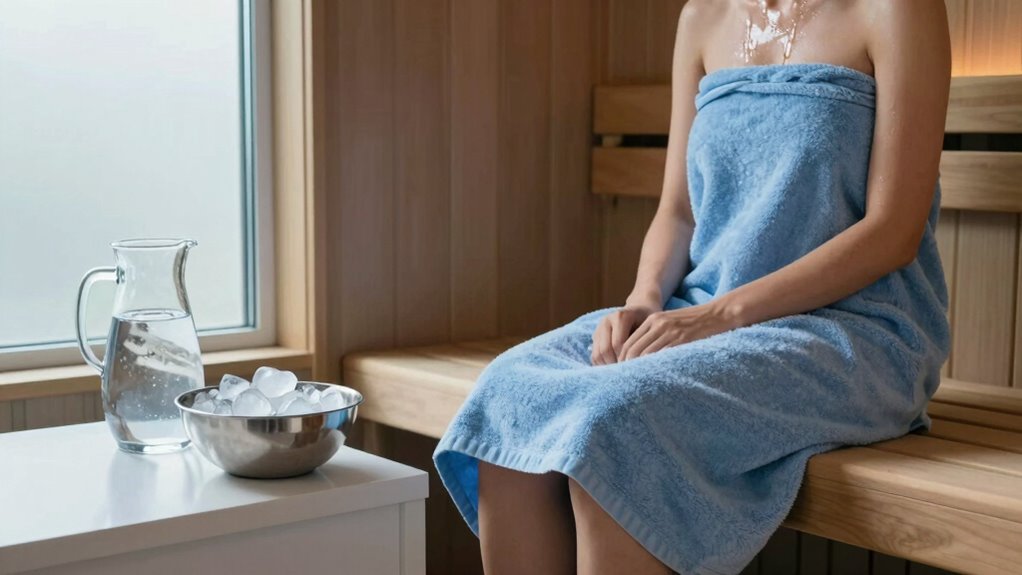
If you start feeling dizzy or unwell during your cooling down, it’s important to act quickly to guarantee your safety. Sit or lie down immediately, and focus on your breathing. Practice mindfulness exercises by taking slow, deep breaths to calm your nervous system. You can also try aromatherapy relaxation by inhaling calming essential oils like lavender. Drink water to stay hydrated and avoid sudden movements. If symptoms persist or worsen, seek medical help right away. Use this table to remember helpful steps:
| Action | Purpose |
|---|---|
| Sit or lie down | Prevent falls, stabilize blood pressure |
| Practice mindfulness breaths | Reduce anxiety, dizziness |
| Inhale calming aromatherapy | Relax muscles, ease discomfort |
| Seek medical attention | When symptoms are severe or unrelenting |
Frequently Asked Questions
Can Cooling Down Too Quickly Harm Your Body?
Cooling down too quickly can strain your body, especially your heart and blood vessels. To avoid harm, you should use gentle cooling techniques and stay hydrated with proper hydration strategies. Sudden temperature changes might cause dizziness or lightheadedness, so ease into cooling methods like lukewarm showers or gradual air cooling. Always listen to your body’s signals and avoid rapid temperature shifts to protect your health after a sauna.
Is It Better to Shower or Just Cool With Air?
Think of cooling down like a gentle rain washing over you. Cooling with air allows your body to gradually lower its temperature, preserving skin hydration and preventing shock. A quick shower can help, but it may strip moisture and cause discomfort. To optimize hydration strategies, start with air cooling, then follow with a lukewarm shower if needed. This approach keeps your skin hydrated and helps you feel refreshed without feeling awful.
How Does Room Temperature Affect Cooling Efficiency?
Room temperature considerably impacts your cooling efficiency after a sauna. When the room is cooler, air circulation helps lower your body temperature faster, and humidity control prevents discomfort from excess moisture. If the temperature is too warm, your body struggles to cool down effectively, leading to feelings of sluggishness or discomfort. Adjusting room temperature to a cooler, well-ventilated space with good air circulation enhances your cooling process and keeps you comfortable.
Can Specific Foods Help Recover Faster After Sauna?
You might think foods can’t speed up recovery, but they actually do. Nutritional recovery is boosted by foods rich in antioxidants, electrolytes, and healthy fats, like fruits, nuts, or yogurt. Hydration strategies are essential too; drink water or electrolyte drinks to replace lost minerals. Combining these, you’ll feel better faster after a sauna. So, snack smart and stay hydrated to optimize your recovery and avoid feeling awful.
Should I Avoid Alcohol During Post-Sauna Cooling?
Yes, you should avoid alcohol during post-sauna cooling. Alcohol consumption can dehydrate you further and impair your body’s ability to regulate temperature effectively. Instead, focus on hydration strategies like drinking plenty of water or electrolyte-rich beverages to replenish fluids lost through sweating. This helps you cool down safely and feel better afterward, reducing the risk of dizziness or nausea. Prioritizing hydration is key to a comfortable and healthy recovery.
Conclusion
Cooling down properly after a sauna is key to feeling good and avoiding discomfort. Remember, over 60% of sauna users experience some form of dizziness or nausea if they don’t cool down correctly. By staying hydrated, moving gently, and listening to your body, you can enjoy the benefits of your sauna session without feeling awful afterward. Prioritize your safety, and you’ll leave feeling refreshed, not drained.
Cold & flu season Picks
humidifiers
As an affiliate, we earn on qualifying purchases.