
Choosing a gas-fired sauna heater means you’ll enjoy quick heating and lower ongoing energy costs, especially in gas-rich areas. However, it requires careful venting, proper installation, and regular maintenance to prevent safety issues like carbon monoxide buildup. The initial setup can be costly and may involve permits. If you evaluate these factors, you’ll find out more about how this option could suit your needs and what to consider before installing.
Key Takeaways
- Gas-fired sauna heaters heat quickly and provide consistent temperatures, offering rapid and reliable performance.
- Proper venting and installation costs are higher, requiring compliance with safety standards and potential structural modifications.
- Ongoing maintenance of venting systems and inspections is essential for safety, efficiency, and heater longevity.
- Operating costs depend on local gas prices, often making gas heaters more economical long-term in gas-rich areas.
- Safety concerns like carbon monoxide buildup necessitate strict adherence to building codes and regular system checks.

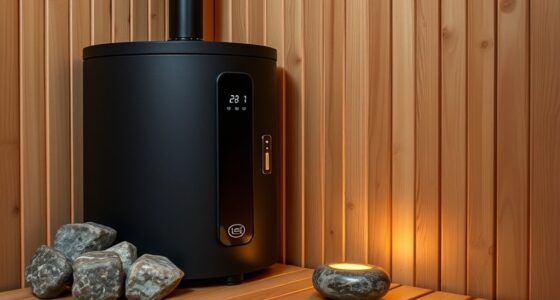
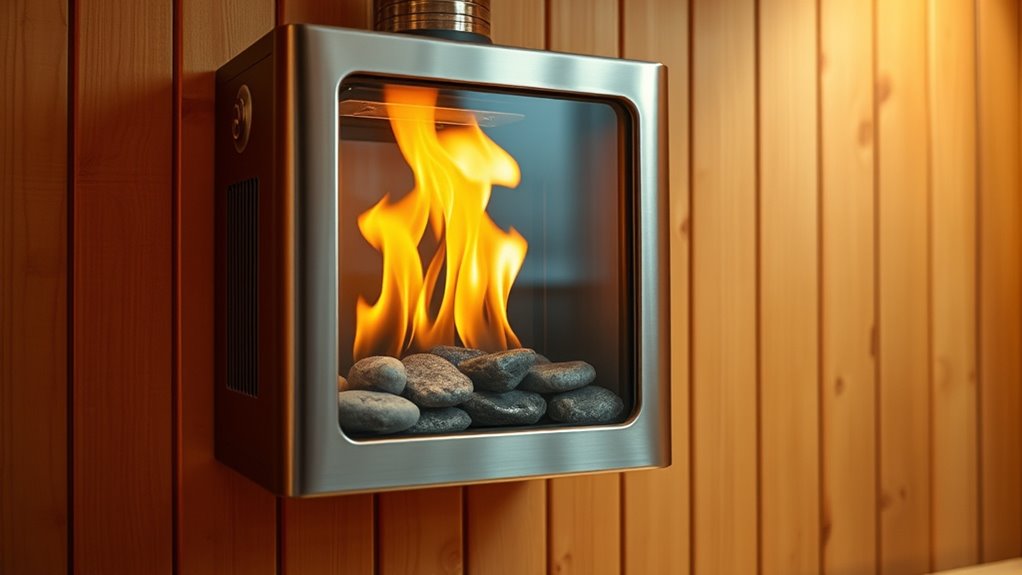
Gas-fired sauna heaters are a popular choice for those seeking efficient and cost-effective heat sources, especially in homes without access to electrical infrastructure. They provide reliable warmth and can be more economical in the long run, but it’s important to understand the factors involved in their installation and operation. One key consideration is ventilation requirements. Since these heaters burn natural gas or propane, they produce combustion byproducts that need proper venting to guarantee safety and indoor air quality. You’ll need to plan for ventilation systems that direct fumes outside, which involves installing vent pipes and possibly additional exhaust fans. Failing to meet ventilation standards can lead to dangerous buildup of carbon monoxide or other harmful gases, so adhering to local building codes is essential.
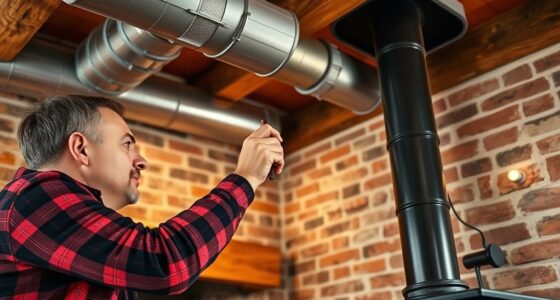
Gas sauna heaters require proper venting to ensure safety and indoor air quality.
Another aspect to consider is the installation costs. Gas-fired sauna heaters tend to have higher upfront expenses compared to electric models, mainly because of the need for venting systems, gas line connections, and sometimes reinforced structural support. You might also encounter costs associated with permits and inspections, depending on your location. These installation costs can add up, but they’re often offset by lower operating expenses over time, especially if natural gas is inexpensive in your area. Still, it’s wise to get multiple quotes from licensed professionals to guarantee you’re not surprised by hidden fees.
In addition to ventilation and installation costs, you should think about ongoing maintenance. Gas heaters require regular inspections to check for leaks, corrosion, and proper venting operation. This ongoing upkeep adds to the overall cost and effort involved in maintaining a safe sauna environment. While they’re generally durable, neglecting maintenance can compromise safety and reduce efficiency. Proper venting systems are crucial not only for safety but also for maintaining optimal heater performance and lifespan.
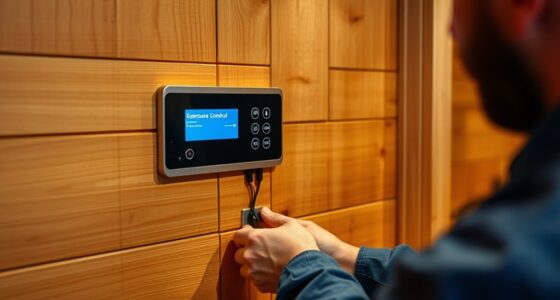
You also need to weigh the convenience factor. Gas heaters tend to heat up quickly and can maintain consistent temperatures, which is attractive if you want a sauna that’s ready in minutes. However, they rely on a steady gas supply, meaning you must ensure your supply lines are secure and functioning properly. In contrast, electric models might be easier to install and don’t require venting, but they may not heat as rapidly or cost as much to operate long-term, depending on local energy prices.
Frequently Asked Questions
How Energy-Efficient Are Gas-Fired Sauna Heaters Compared to Electric Ones?
Gas-fired sauna heaters typically have a better efficiency comparison to electric ones, especially in larger setups. They often consume less energy overall because natural gas burns more efficiently than electricity in heating applications. If you’re looking to reduce energy consumption and save on operating costs, a gas-fired heater can be more efficient, but keep in mind installation and fuel availability might influence your choice.
What Are the Safety Concerns Specific to Gas-Fired Sauna Heaters?
Like a fragile flame, gas-fired sauna heaters demand careful attention to safety. You face risks of gas leaks, which can threaten your space’s safety if not detected early. Ensuring proper ventilation is *essential* to prevent dangerous buildup of carbon monoxide and fumes. You must regularly check connections, install gas detectors, and maintain good airflow to keep your sauna safe and inviting, avoiding hidden dangers lurking in the shadows.
Can Gas-Fired Heaters Be Used in All Climate Conditions?
Gas-fired sauna heaters aren’t suitable for all climate conditions due to installation limitations and climate adaptability issues. In colder, damp, or highly variable environments, you might face challenges with proper ventilation and safety regulations. These heaters work best in well-ventilated spaces and stable climates. If you live in extreme weather areas, consider alternative heating options to guarantee safety, efficiency, and consistent sauna performance.
What Is the Typical Lifespan of a Gas-Fired Sauna Heater?
A gas-fired sauna heater typically lasts about 15 to 20 years, like a seasoned traveler with many stories. You should consider installation challenges and cost considerations, which can impact longevity. Proper maintenance helps extend its life, but older units may need replacement sooner if neglected. Regular service and quality parts keep your heater running smoothly, ensuring you enjoy consistent heat and value over its lifespan.
Are There Any Special Maintenance Requirements for Gas-Fired Sauna Heaters?
You need to perform regular combustion maintenance, including inspecting and cleaning burners, to guarantee efficiency and safety. Proper ventilation requirements are vital; make sure your sauna has adequate airflow to prevent buildup of gases. Check vents and exhaust systems frequently, and keep them unobstructed. Additionally, schedule professional inspections annually to verify that the heater operates safely and meets all ventilation standards, keeping your sauna safe and functioning at its best.
Conclusion
Thinking about a gas-fired sauna heater? Consider Sarah’s experience: she upgraded her home sauna, enjoying quicker heat and lower energy bills, but she also faced ventilation challenges. If you prioritize fast heating and cost savings, it could be ideal. However, verify your space can handle proper ventilation. Weigh these pros and cons carefully—your perfect sauna setup depends on your specific needs and home conditions.