When designing an ADA-compliant sauna, guarantee pathways are at least 36 inches wide and free of obstacles for wheelchair access. Incorporate non-slip flooring, sturdy grab bars, and adjustable seating options at different heights. Use bright, glare-free lighting with tactile, high-contrast signage, including Braille and auditory cues. Integrate assistive tech like voice controls and remote access to boost independence. Focusing on inclusive features ensures safety and comfort for all users—discover more ways to create accessible, welcoming spaces.
Key Takeaways
- Ensure pathways are at least 36 inches wide and obstacle-free for wheelchair access and safe navigation.
- Install grab bars and transfer seats at accessible heights inside and around the sauna.
- Use bright, even lighting with tactile, high-contrast signage and Braille for easy visibility and wayfinding.
- Incorporate voice-activated controls, remote access, and auditory cues for inclusive operation.
- Comply with ADA standards by integrating non-slip flooring, adjustable seating, and automated doors to promote safety and independence.
Designing for accessibility is vital to guarantee that everyone can use and benefit from digital and physical spaces. When it comes to creating an Ada-compliant sauna, this means integrating features that accommodate a diverse range of users, including those with disabilities. Incorporating assistive technologies and practicing inclusive design principles ensures your sauna is welcoming, safe, and functional for all visitors.
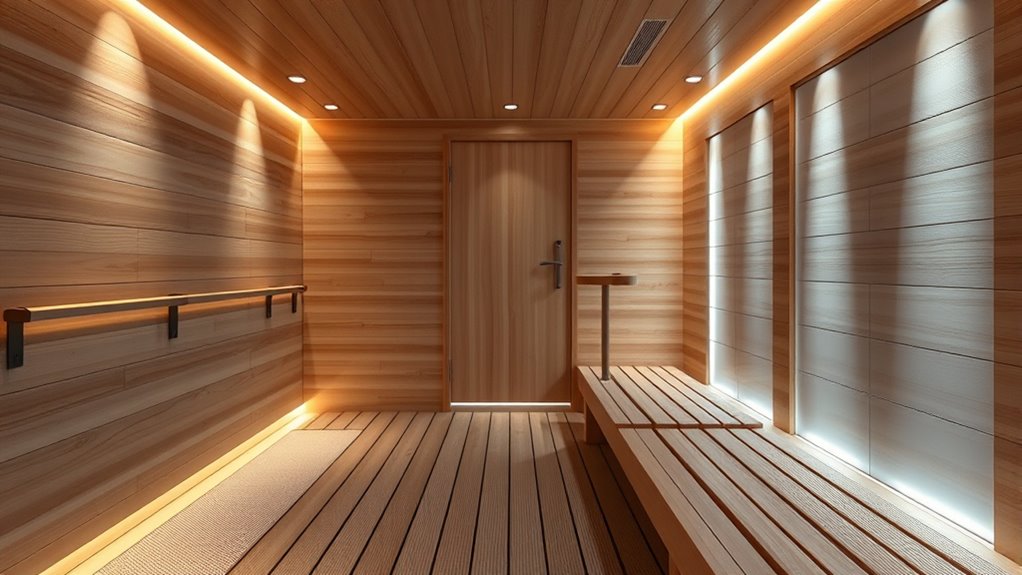
Start by considering the physical layout. Make sure pathways are wide enough for wheelchair users, ideally at least 36 inches, and free of obstacles. Non-slip flooring helps prevent accidents, especially in humid environments. To meet ADA standards, install grab bars near benches and inside the shower area, ensuring they’re sturdy and positioned at appropriate heights. These features not only assist those with mobility challenges but also promote overall safety.
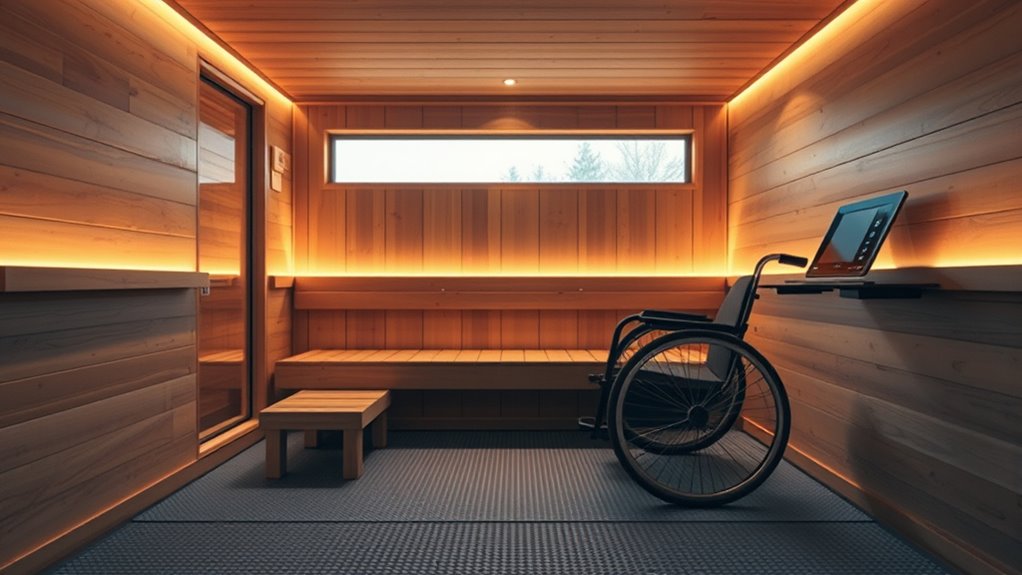
Ensure wide, obstacle-free pathways and sturdy grab bars to promote safety and accessibility in your sauna.
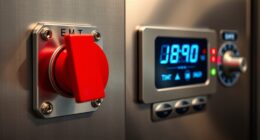
Lighting plays a vital role in accessibility. Use bright, even lighting with minimal glare, and include tactile or high-contrast indicators for controls and signage. For individuals with visual impairments, tactile labels or contrasting colors make it easier to identify controls like temperature and timer settings. Incorporating assistive technologies, such as voice-activated controls or smartphone integration, can further enhance accessibility, allowing users to operate sauna features hands-free or from a distance.
Seating options should be versatile and adjustable. Consider providing benches at different heights or with adjustable backrests to suit various needs. When designing these features, think about inclusive design by ensuring that users of all abilities can comfortably access and use them. For example, some users may require transfer seats or lower benches for easier access.
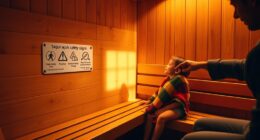
Communication and signage are equally important. Use clear, simple language combined with tactile or visual cues. Braille signage for controls and information panels can help users with visual impairments navigate the space confidently. Additionally, providing auditory cues or alerts for temperature changes or session timers can improve the experience for users with sensory disabilities.
Finally, think about integrating assistive technologies that promote independence. Automated door openers, remote control access, or apps that allow users to customize their sauna experience support an inclusive environment. Research indicates that specialized equipment can significantly enhance user experience and safety. By focusing on inclusive design principles and leveraging assistive technologies, you create a sauna that respects diverse needs, adheres to ADA guidelines, and offers a safe, enjoyable experience for everyone. Your commitment to accessibility not only complies with regulations but also demonstrates genuine care and consideration for all users.
Frequently Asked Questions
How Do I Ensure Sauna Controls Are Accessible for All Users?
To guarantee sauna controls are accessible for all users, you should incorporate voice control options so users can operate the sauna hands-free. Additionally, include tactile feedback on buttons and switches to help users with visual impairments confirm their selections. Make controls within easy reach and clearly labeled, and test them for ease of use. This approach guarantees a safe, inclusive experience for everyone, regardless of their abilities.
What Are the Best Materials for Ada-Compliant Sauna Benches?
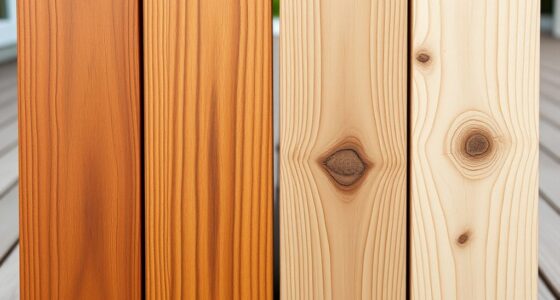
Choosing the right materials for ADA-compliant sauna benches is like selecting the perfect puzzle piece—both functional and seamless. Opt for durable woods like cedar or redwood, which resist moisture and wear over time, ensuring longevity. These materials also blend well aesthetically, creating a calming environment. Their smooth surfaces support accessibility and comfort, making sure everyone can enjoy the sauna safely and effortlessly.
How Can Lighting Be Optimized for Accessibility in Saunas?
You can optimize sauna lighting for accessibility by choosing fixtures that provide sufficient brightness with minimal glare, reducing eye strain. Use high-contrast colors for switches and controls to make them easily identifiable, and incorporate indirect lighting to prevent harsh shadows. Guarantee the lighting system is adjustable, allowing users to customize brightness levels. This approach enhances safety and comfort, making the sauna more accessible for everyone.
Are There Specific Signage Requirements for Accessible Sauna Features?
Did you know that 70% of people with visual impairments rely on tactile cues? You should include specific signage requirements like Braille signage and clear visual indicators to make sauna features accessible. These signs help users navigate safely and independently. Guarantee signage is placed at accessible heights and uses high-contrast colors. Incorporating both tactile and visual cues guarantees your sauna is welcoming and compliant for everyone.
What Maintenance Practices Support Ongoing Accessibility Standards?
To support ongoing accessibility standards, you should implement regular cleaning protocols to keep accessible features clean and functional. Additionally, verify your staff receives proper training on how to assist and maintain these features effectively. By consistently cleaning and maintaining equipment and signage, and educating your team, you guarantee that your sauna remains accessible and safe for all users, complying with ADA requirements and fostering an inclusive environment.
Conclusion
By designing ADA-compliant sauna features, you’re not just creating a space—you’re building a sanctuary accessible to everyone. Imagine a world where no one is left outside the warmth, where every detail invites inclusivity like a welcoming embrace. Your efforts transform a simple sauna into a universal haven, breaking down barriers and igniting hope. With each accessible feature, you make the impossible possible, turning your design into a beacon of comfort that touches lives in ways words can’t fully capture.