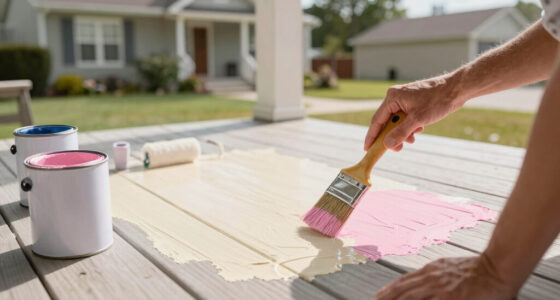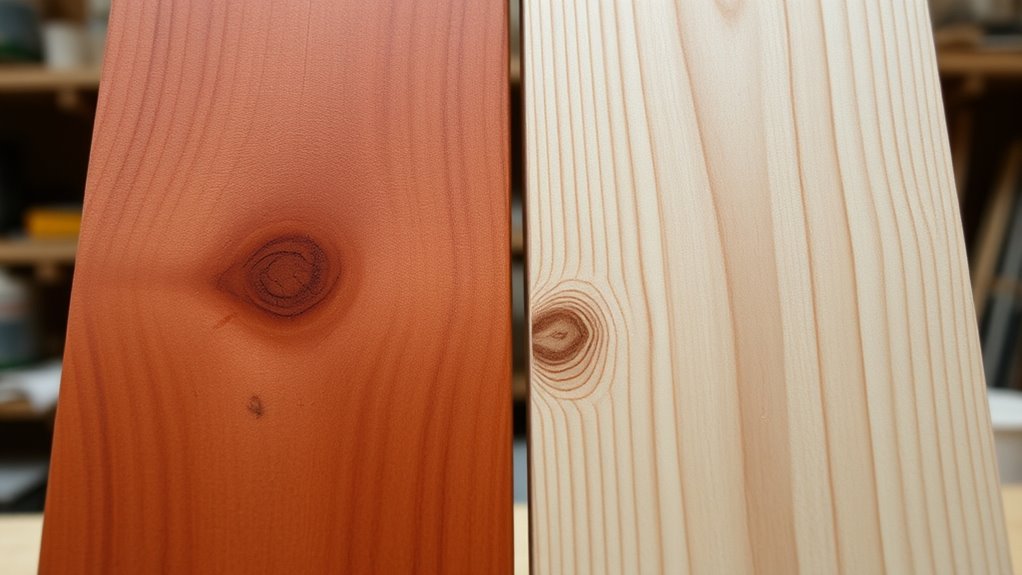

When choosing between cedar and hemlock, understanding their true qualities matters more than misconceptions. Cedar offers natural resistance to pests, decay, and weather, making it great for outdoor projects. Hemlock is strong and versatile but needs regular treatment, especially outside. While cedar is usually pricier, it’s more durable long-term, and both have their ideal uses. If you want a clearer picture of what truly impacts your project’s success, explore further.

Get wellness gear delivered free with Prime
- Fast, free delivery on millions of items
- Prime Video, Amazon Music and more included
- Member-only deals all year
Key Takeaways
- Cedar naturally resists pests and decay, making it more durable outdoors, but it’s not completely pest-proof or maintenance-free.
- Hemlock offers strength and affordability but requires sealing and treatment for outdoor use to prevent moisture damage.
- The scent of cedar diminishes over time, and both woods need regular maintenance to preserve appearance and performance.
- Cedar’s warm tones and open grain enhance aesthetics, while hemlock’s lighter, uniform color suits versatile interior applications.
- Choosing between them depends on project needs, environmental impact, long-term durability, and maintenance commitments.
As an affiliate, we earn on qualifying purchases.
Understanding the Basic Characteristics of Cedar and Hemlock
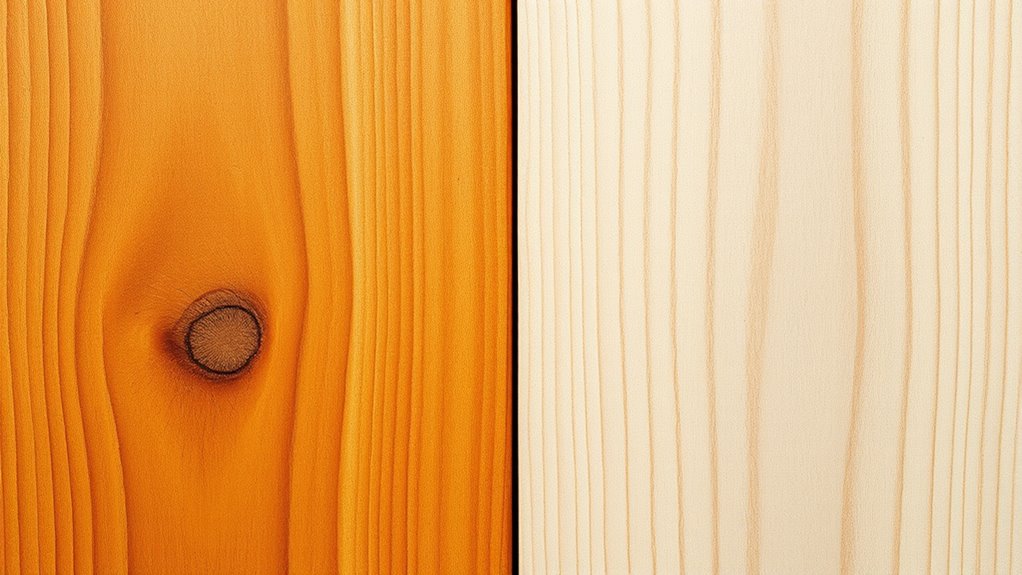
Cedar and hemlock are popular wood choices, but they have distinct characteristics that can influence your decision. Cedar typically features a straight, fine grain texture that’s smooth to the touch, giving it a refined appearance. Its scent profile is notable, offering a pleasant, aromatic smell that many find appealing, especially in furniture and closets. Hemlock, on the other hand, has a slightly coarser grain texture with a more subdued scent profile, which makes it versatile but less aromatic. Cedar’s natural oils make it resistant to pests and decay, while hemlock is known for its strength and stability. Understanding these basic traits helps you choose the right wood based on aesthetics, scent preferences, and practical qualities for your project.
As an affiliate, we earn on qualifying purchases.
Common Myths and Misconceptions About Cedar and Hemlock
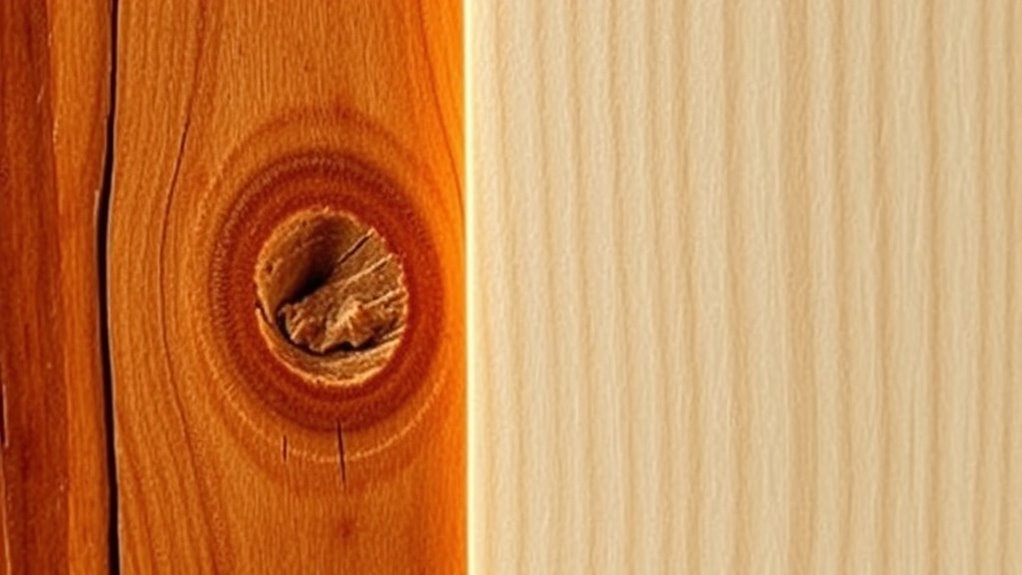
Many people assume that cedar is completely pest-proof and requires no maintenance, but this isn’t entirely true. While cedar’s natural scent helps repel insects and its wood grain resists some pests, it still needs regular care. Common myths include:
- Cedar never rots—incorrect, it benefits from proper sealing.
- Hemlock is weak—false; it’s strong but more prone to moisture.
- The scent of cedar lasts forever—over time, it diminishes.
- Both woods are maintenance-free—both require treatment to preserve appearance and integrity.
Understanding these misconceptions helps you make informed choices. Cedar’s appealing scent and attractive wood grain are often overhyped as maintenance-free traits, but real longevity and performance depend on proper care and realistic expectations. Additionally, the wood’s resistance to moisture can be enhanced through appropriate treatment, extending its lifespan.
As an affiliate, we earn on qualifying purchases.
Durability and Weather Resistance: What the Facts Say
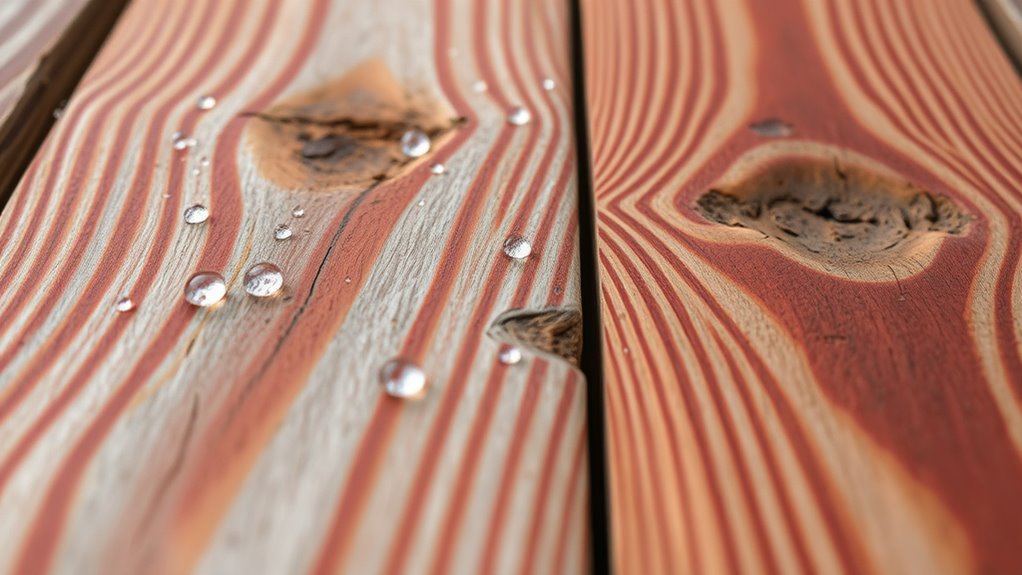
When it comes to weather resistance, cedar generally stands out thanks to its natural oils that resist moisture and decay. Hemlock, while strong, relies more on treatment to withstand the elements over time. Understanding these long-term durability factors helps you choose the best material for your environment. Additionally, headphone compatibility with various devices can influence your material choice if you plan to use your projectors in different settings.
Weather Resistance Comparison
Although both cedar and hemlock are popular choices for outdoor projects, their ability to withstand weather varies considerably. Cedar naturally resists moisture and decay, thanks to its oils, making it more suitable for weather resistance. Hemlock, on the other hand, is less resistant and needs proper wood preservation treatments to improve longevity. Consider these key points:
- Cedar’s natural oils enhance insect resistance and reduce the need for chemical treatments.
- Hemlock is more vulnerable to moisture damage without proper sealing.
- Both woods benefit from regular maintenance to prevent weather-related deterioration.
- Insect resistance plays a critical role in long-term durability, especially for untreated wood.
Choosing cedar often means less concern about weather damage and wood preservation, giving you peace of mind.
Long-term Durability Factors
Cedar’s natural oils not only resist moisture and decay but also substantially contribute to its long-term durability, especially when exposed to weather. This inherent pest resistance reduces the need for frequent wood treatment, helping maintain its strength over time. Properly treated cedar can withstand insect attacks and fungal growth, making it ideal for outdoor use. Hemlock, on the other hand, relies more on external wood treatment to boost its durability since it lacks the same natural pest resistance. Without proper treatment, hemlock is more vulnerable to decay and pests, which can shorten its lifespan outdoors. Additionally, cedar’s weather resistance makes it a more reliable choice for long-term outdoor applications, reducing maintenance costs and effort. So, if you want a wood that’s naturally resilient and requires less maintenance, cedar is the better choice for long-term durability.
As an affiliate, we earn on qualifying purchases.
Aesthetic Qualities and Workability of Each Wood
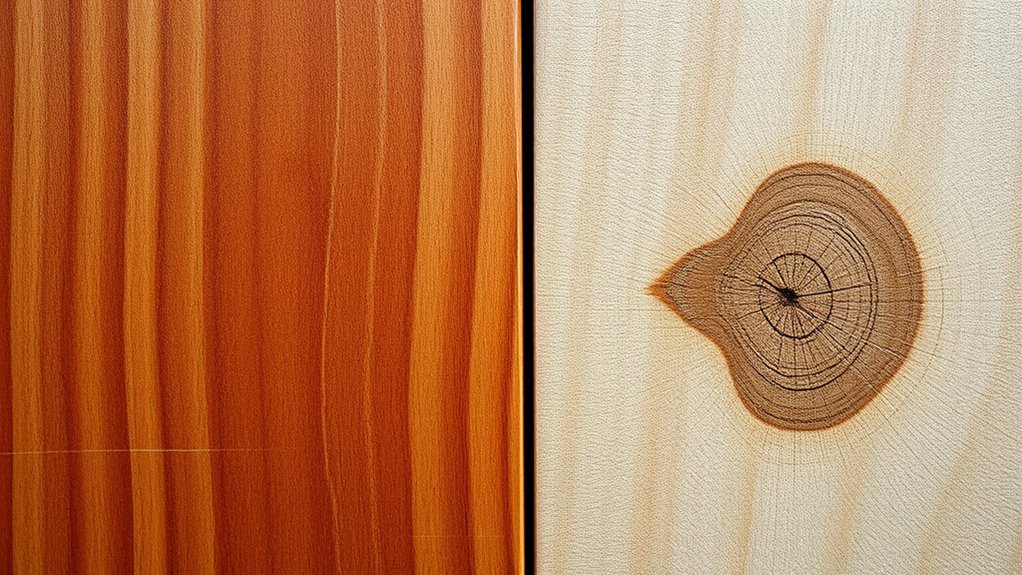
When choosing between cedar and hemlock, you’ll notice their unique visual appeal and color variations. Cedar often offers warm, reddish tones, while hemlock tends to be lighter and more uniform in color. Additionally, both woods vary in how easy they are to handle and work with, influencing your overall project experience. Proper styling techniques can enhance the natural beauty of each wood, making the right choice even more important for your aesthetic goals.
Visual Appeal and Color Variations
Cedar and hemlock each bring distinct visual qualities that can influence your project’s overall aesthetic. Cedar’s rich, warm tones tend to deepen with age, enhancing its visual appeal. Hemlock, on the other hand, offers a lighter, more uniform color that provides a clean look. When considering color variation, note these key points:
- Cedar displays noticeable color variation, adding character but possibly requiring more planning.
- Hemlock maintains a consistent hue, ideal for a smooth, uniform finish.
- Cedar’s natural oils contribute to its warm glow, enriching its visual appeal over time.
- Hemlock’s subtle tones make it versatile, blending well with various design styles.
- The workability of each wood affects how easily you can achieve your desired finish and detail.
Understanding these differences helps you choose the wood that best aligns with your aesthetic vision.
Workability and Ease of Handling
Both cedar and hemlock are known for their workability, making them popular choices for various woodworking projects. You’ll find that both woods cut, plane, and nail easily, simplifying your building process. Cedar’s softer texture allows for smooth finishing techniques, while hemlock’s density provides stability during handling. When it comes to staining options, cedar’s open grain can absorb finishes well, highlighting its natural warmth. Hemlock, with a tighter grain, offers a more uniform appearance after staining. Both woods respond well to light sanding, but cedar’s softer structure may require extra care to avoid dents. Additionally, their moisture content influences how they behave during drying and finishing, impacting the final outcome. Overall, their ease of handling helps you achieve professional results, whether you’re applying finishes or working on detailed designs.
Cost, Availability, and Sustainability Factors
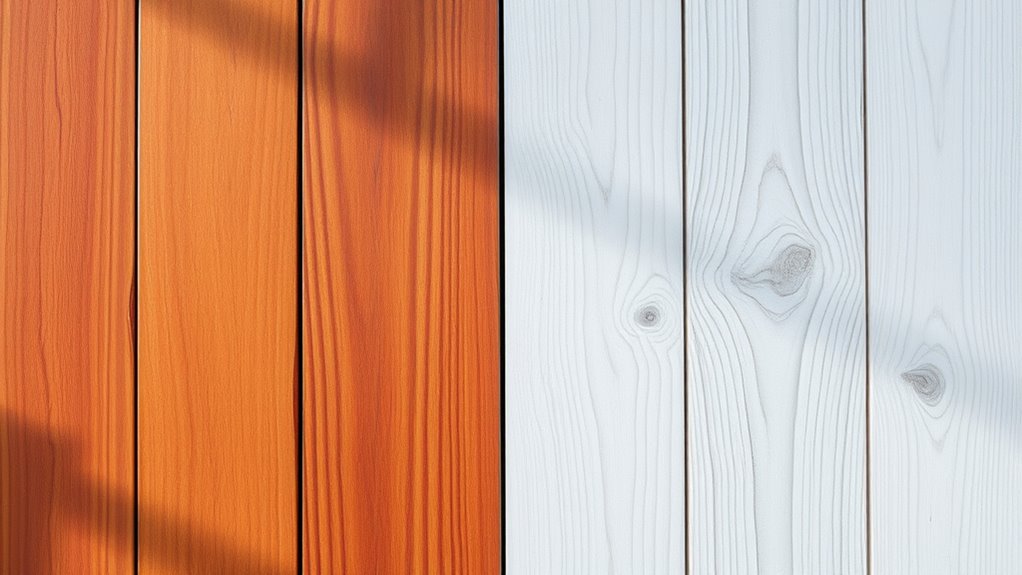
Understanding the cost, availability, and sustainability of cedar and hemlock can substantially influence your choice. These factors hinge on several key points:
- Pricing strategies vary based on regional demand and supply, affecting affordability.
- Supply chain considerations impact how quickly you can access these woods and at what cost.
- Cedar often commands higher prices due to its durability and aromatic qualities.
- Hemlock tends to be more readily available and budget-friendly, but sustainability concerns are rising with overharvesting.
- Additionally, personal finance management principles, such as budgeting for quality materials and considering future maintenance costs, can help inform your decision-making process.
Ideal Uses and Best Applications for Cedar and Hemlock
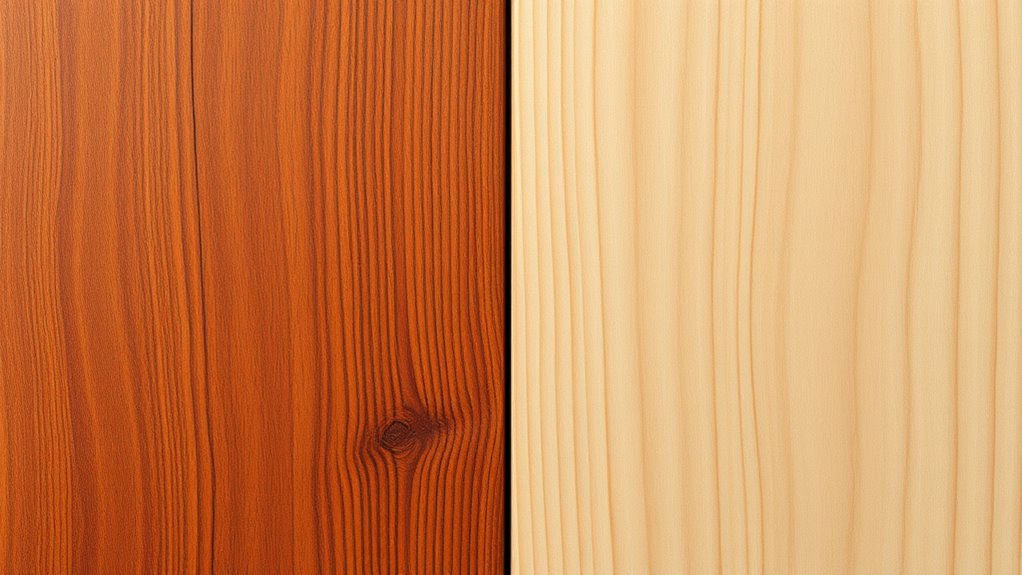
When choosing between cedar and hemlock for your project, knowing their ideal uses can help you make an informed decision. Cedar’s natural resistance to decay and insects makes it perfect for outdoor applications like fencing, siding, and decks. Its ability to withstand weather and require minimal wood treatment reduces environmental impact over time. Hemlock, on the other hand, is well-suited for interior projects such as framing, paneling, and furniture due to its strength and affordability. It generally needs additional wood treatment for outdoor use, which can influence environmental impact depending on the chemicals used. Understanding these applications ensures you select the right wood for your needs while considering longevity and sustainability. Your choice should align with how you plan to treat the wood and its environmental footprint.
Maintenance and Longevity: How Each Wood Performs Over Time
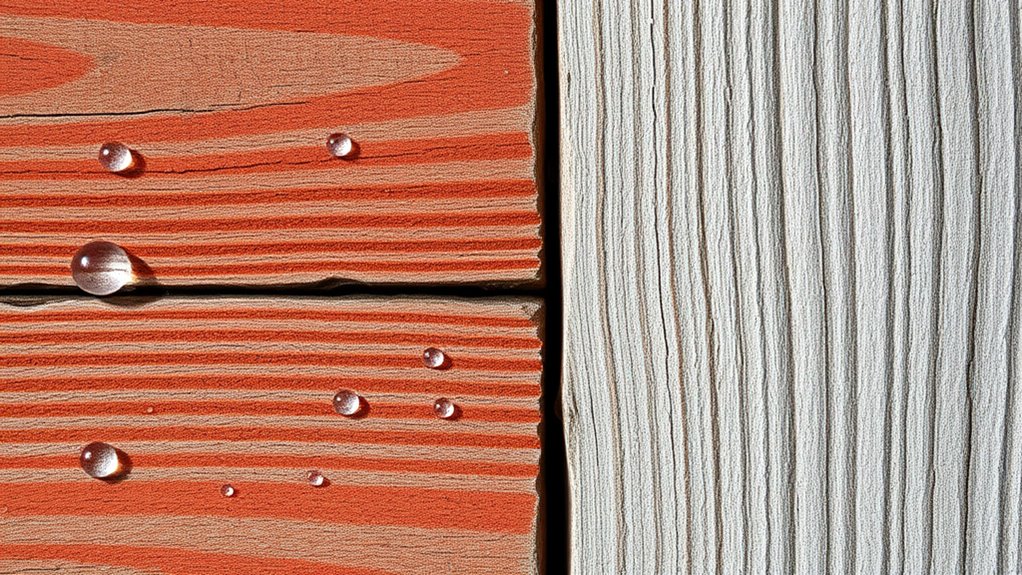
Cedar and hemlock differ markedly in how they hold up over time, especially with respect to maintenance requirements and durability. Cedar naturally resists pests and decay, reducing the need for frequent wood treatment, which extends its lifespan. Hemlock, on the other hand, is less pest-resistant and may require more regular treatment to prevent rot. To maximize longevity, consider these factors:
Cedar resists pests naturally, while hemlock needs regular treatment for longevity.
- Regularly applying wood treatment enhances durability, especially for hemlock.
- Cedar’s natural oils provide ongoing pest resistance, lowering maintenance needs.
- Hemlock may need extra sealing or preservatives for long-term protection.
- Both woods benefit from periodic inspections to catch issues early.
- Incorporating natural pest resistance strategies can further extend the lifespan of cedar and reduce maintenance efforts.
Making an Informed Choice: Factors That Truly Matter
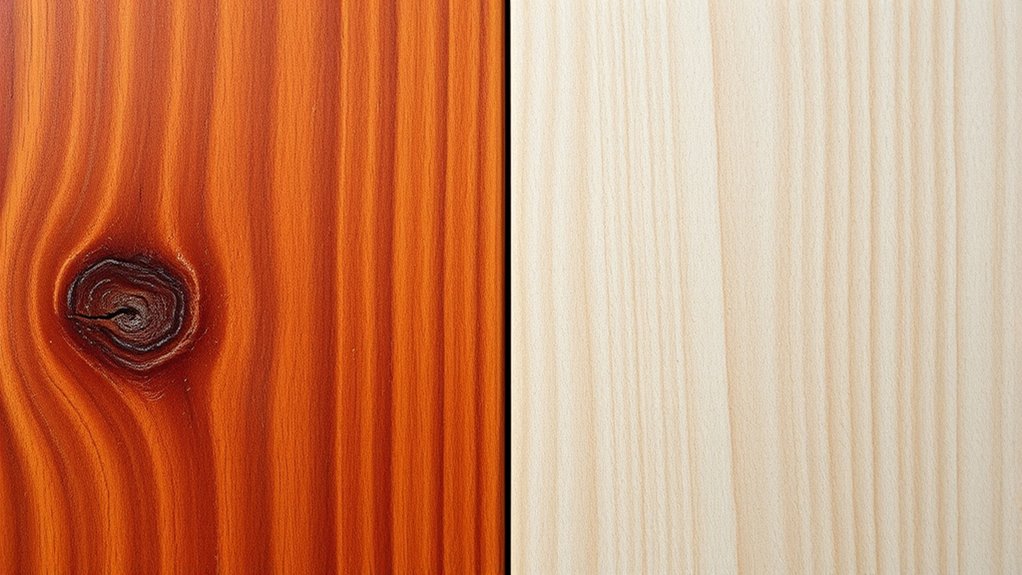
Choosing between cedar and hemlock depends on what matters most to you, whether it’s durability, appearance, or maintenance. Factors like wood treatment can enhance resistance to decay, while insect resistance varies between the two. Cedar naturally resists insects and rot, reducing the need for chemical treatments. Hemlock, on the other hand, may require additional wood treatment to improve longevity. Contemplate these aspects: Insect Resistance is a crucial factor, as cedar is better suited for insect-prone areas.
Frequently Asked Questions
How Do Cedar and Hemlock Compare Environmentally in Harvesting Practices?
You’ll find that cedar is often harvested sustainably in well-managed forests, reducing environmental impact, while hemlock harvesting can vary depending on regional practices. Cedar’s sustainable harvesting generally promotes forest health, but overharvesting of hemlock can harm ecosystems if not carefully managed. To minimize environmental impact, choose suppliers committed to sustainable practices, ensuring both woods are harvested responsibly. Your choices can support healthier forests and reduce ecological harm.
Are There Health Risks Associated With Using Cedar or Hemlock Indoors?
While cedar and hemlock are generally safe, some folks might notice effects on indoor air quality or experience allergic reactions. Cedar’s natural oils can sometimes trigger sensitivities, and both woods may release tiny particles or VOCs. If you have allergies or respiratory issues, it’s smart to make certain of good ventilation and choose finished, sealed wood products. Staying mindful helps keep your indoor environment healthy and enjoyable.
How Do Pests and Insects Affect Cedar Versus Hemlock Over Time?
You’ll find cedar has better pest resistance than hemlock, making it less susceptible to insects over time. Cedar contains natural oils that repel pests, so it stays protected longer. Hemlock, on the other hand, is more insect susceptible, especially if not treated properly. Regular inspections and treatments can help both woods, but cedar generally requires less maintenance regarding pests and insects.
Can Cedar or Hemlock Be Treated or Stained Effectively?
Imagine your wood as a shield for your home’s beauty—yes, cedar and hemlock can be stained effectively. You’ll want to choose stain compatibility carefully to guarantee vibrant, lasting color. Treating your wood enhances durability, like armor against the elements. Regular maintenance keeps your shield strong, preserving its appearance and protecting it from moisture and pests. With proper treatment, both cedar and hemlock stand resilient and beautiful over time.
What Are the Long-Term Resale Values Influenced by Choosing Cedar or Hemlock?
Choosing cedar or hemlock impacts your resale market and value appreciation. Cedar’s natural durability and appealing appearance often boost resale value, attracting buyers seeking low-maintenance, long-lasting options. Hemlock, while affordable, may not appreciate as much due to its lower durability and aesthetic appeal. Your material choice influences how future buyers perceive your property, with cedar typically offering better long-term resale potential and higher value appreciation.
Conclusion
Choosing between cedar and hemlock isn’t just about myths or price—it’s about what truly matters for your project. Think of it like picking a partner: consider durability, look, and how it fits your needs. Remember, the right choice isn’t always the most obvious or popular; it’s the one that aligns with your goals. So, weigh your options carefully, and let your project’s unique story guide you to the perfect wood.
Halloween Picks
halloween
As an affiliate, we earn on qualifying purchases.