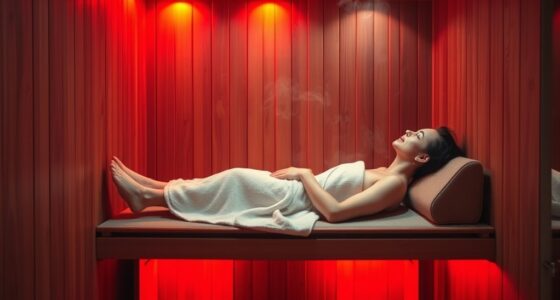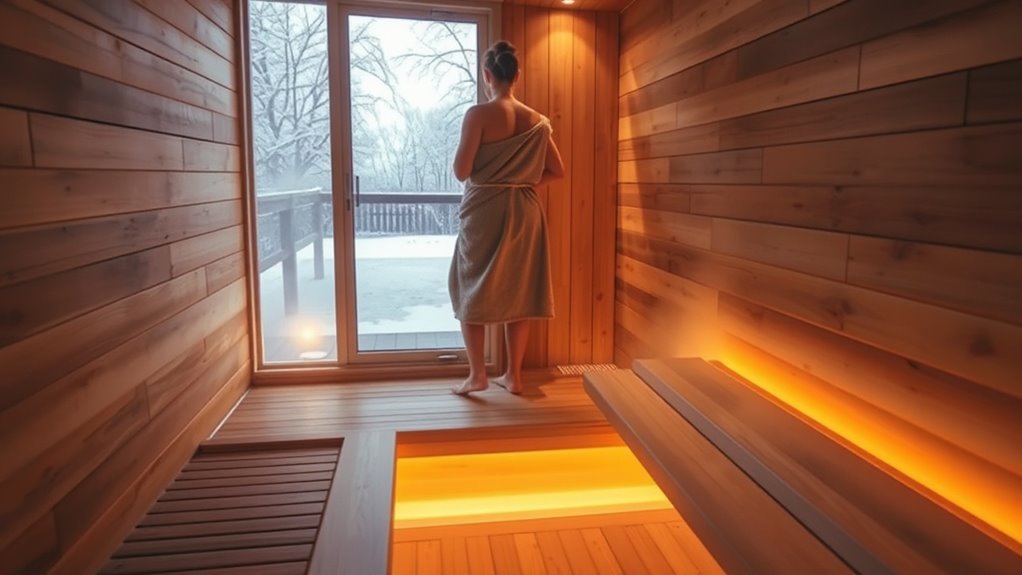

Sauna and cold therapy can help regulate your hormones by activating your body’s stress and recovery responses. Regular use boosts growth hormone production, which supports tissue repair and overall robustness, while also reducing cortisol levels that contribute to stress. Alternating heat and cold enhances your resilience and balances your hormonal levels naturally. Keep exploring how these therapies can optimize your health as you discover more ways to fine-tune your body’s harmony.
Key Takeaways
- Sauna sessions boost growth hormone production, supporting tissue repair and overall hormonal balance.
- Cold therapy helps regulate cortisol levels, reducing stress-related hormonal imbalances.
- Alternating heat and cold stresses enhance hormonal resilience and promote endocrine system regulation.
- Regular temperature therapy routines contribute to improved sleep quality via hormonal regulation.
- These practices support long-term hormonal health by reducing chronic stress and promoting metabolic balance.

Many people turn to sauna and cold therapy to boost their health and recovery. These practices are renowned for their ability to enhance your immune system and support metabolic health, which are essential for maintaining overall well-being. When you sit in a sauna, your body heats up, prompting a series of physiological responses. Your heart rate increases, blood vessels dilate, and your body begins to sweat, helping to eliminate toxins and stimulate circulation. This process not only promotes relaxation but also triggers an immune boost by activating your body’s natural defenses. As your body works to cool itself down, it produces heat shock proteins that help repair damaged cells and strengthen your immune response. Over time, regular sauna sessions can lead to a more resilient immune system, making you less susceptible to common illnesses.
Cold therapy, on the other hand, exposes your body to low temperatures, which can be equally beneficial for your health. When you plunge into cold water or experience sudden cold exposure, your blood vessels constrict, forcing blood to flow toward your core to maintain your internal temperature. This process stimulates your cardiovascular system and enhances circulation, which is essentially important for metabolic health. Improved circulation ensures that nutrients and oxygen reach your tissues more efficiently, aiding in cellular repair and energy production. Cold exposure also triggers the release of endorphins and norepinephrine, which help reduce inflammation and pain, supporting your body’s natural healing processes. Many find that alternating between sauna heat and cold plunges creates a powerful synergy, boosting your immune system and metabolic function simultaneously.
Furthermore, both sauna and cold therapy influence hormone regulation. The heat stress from saunas can increase the production of growth hormone, which plays a role in muscle repair, fat metabolism, and cellular regeneration. Cold therapy can modulate stress hormones like cortisol, helping to balance your hormonal levels and reduce chronic stress. When you incorporate these therapies into your routine, you’re essentially giving your body a reset—stimulating hormone production and balancing levels that are often disrupted by modern lifestyles. Consistent use can also improve your sleep quality, which is fundamentally important for hormone regulation and overall health.
In short, integrating sauna and cold therapy into your lifestyle offers a natural way to support your immune system, enhance metabolic health, and regulate hormones. By consciously exposing your body to these temperature extremes, you activate a range of physiological processes that promote resilience, recovery, and vitality. This approach isn’t just about feeling good in the moment; it’s about building a stronger, healthier foundation for your long-term well-being.

Lucear Red Light for Sauna 660nm and 850nm Infrared Therapy Panel for Portable Sauna Accessories
【Sauna-Specific Design for Perfect Fit】Must have for all sauna accessoriesTailored exclusively for portable saunas, this red light therapy…
As an affiliate, we earn on qualifying purchases.
As an affiliate, we earn on qualifying purchases.
Frequently Asked Questions
Can Sauna and Cold Therapy Improve Specific Hormone Levels?
Yes, sauna and cold therapy can improve specific hormone levels by promoting hormone optimization. Thermal therapy effects include boosting endorphins, reducing cortisol, and enhancing testosterone and growth hormone production. You may notice better mood, increased energy, and improved recovery as your body adapts to these temperature changes. Incorporating these therapies regularly can support your hormonal balance, helping you feel more energized and resilient over time.
Are There Age Restrictions for Using Sauna or Cold Therapy?
You should consider safety precautions and age recommendations before using a sauna or cold therapy. Generally, these therapies are safe for adults, but children and seniors should consult healthcare providers first. Younger individuals may have different tolerance levels, so it’s essential to follow age-specific guidelines. Always start slowly, stay hydrated, and listen to your body to prevent any adverse effects. Prioritizing safety guarantees a beneficial experience regardless of age.
How Often Should I Practice Sauna and Cold Therapy for Hormonal Benefits?
Imagine you’re back in the days of medieval wellness, but today, for hormonal benefits, you should follow personalized routines. Generally, practicing sauna and cold therapy 3-4 times a week aligns with frequency guidelines, helping optimize hormone regulation. Listen to your body and adjust accordingly. Consistency is key, so find a routine that fits your schedule and comfort level to maximize the benefits without overdoing it.
Can These Therapies Help With Hormonal Imbalances Caused by Stress?
Yes, sauna and cold therapy can support hormonal balance affected by stress. They promote stress management by helping your body relax and recover, which benefits adrenal health. Regular sessions may reduce cortisol levels and improve your overall resilience to stress. Incorporate these therapies into your routine thoughtfully, listening to your body, and combining them with other stress management techniques for ideal hormonal harmony.
Are There Any Risks for Pregnant Women Using Sauna or Cold Therapy?
About 10% of pregnant women experience complications, so safety is crucial. Using sauna or cold therapy can pose risks during pregnancy, especially sauna risks like overheating, dehydration, and fainting, which may harm your baby. For pregnancy safety, it’s best to avoid these therapies unless your healthcare provider approves. Always consult your doctor to ensure your chosen therapies won’t interfere with your pregnancy or health.

Bio Ouster 3in1 Weekly Cold Plunge Water Treatment – Cleaner, Clarifier, and Softener for Cold Plunge and Ice Bath – Water Stabilizer for Fresh, Crystal Clear Water – Made in USA (32oz)
3-in-1 Weekly Treatment: This cold plunge water treatment combines a powerful cleaner, clarifier, and softener in one formula,…
As an affiliate, we earn on qualifying purchases.
As an affiliate, we earn on qualifying purchases.
Conclusion
By incorporating sauna and cold therapy into your routine, you can support your body’s natural hormone regulation and overall well-being. These therapies stimulate circulation and help balance stress hormones, promoting a healthier you. Are you ready to harness the power of temperature therapy to optimize your health? Embrace these practices consistently, and you might just gain access to a new level of vitality and resilience in your life. Why wait to feel better when wellness is just a temperature change away?

Upgraded Steam Sauna Portable with Red Light Therapy with Ice Bath Tub for Home Personal Home Spa Contrast Therapy (Black)
【Perfect Christmas Gift】 For Chritsmas, Every customer purchase a high-quality steam sauna, will get a ice bath tub…
As an affiliate, we earn on qualifying purchases.
As an affiliate, we earn on qualifying purchases.
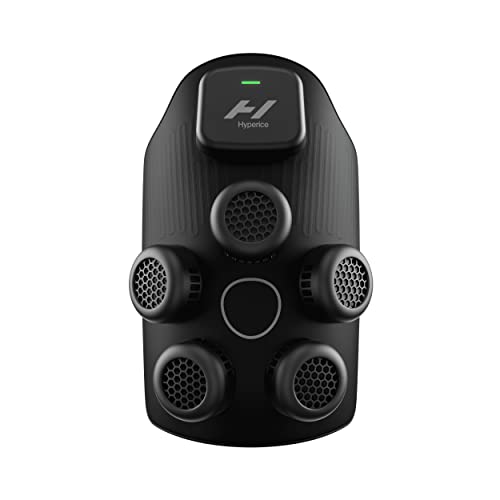
Hyperice X Knee Device – Advanced Heat and Cold Contrast Therapy – Pain and Inflammation Relief – Provides Increased Range of Motion – FSA/HSA Eligible
Tackle your pain and inflammation with the power of cold therapy, or turn up the heat to reduce…
As an affiliate, we earn on qualifying purchases.
As an affiliate, we earn on qualifying purchases.