
TL;DR

Get wellness gear delivered free with Prime
- Fast, free delivery on millions of items
- Prime Video, Amazon Music and more included
- Member-only deals all year
Jill Brown, a 59-year-old trainer and Pilates instructor, says she no longer lifts heavy weights because of injuries and uses lighter resistance with more repetitions. She recommends a six-exercise, 30-minute resistance-band workout, with beginners starting at six to eight reps and increasing gradually while maintaining good form.
Jill Brown, a 59-year-old personal trainer, says she has stopped lifting heavy weights because of injuries and instead uses lighter resistance and higher repetitions. In a Fit&Well report, Brown recommends a 30-minute, six-exercise resistance-band routine for people starting strength training, advising beginners to begin with six to eight repetitions and build up gradually.
Brown is described by Fit&Well as a board-certified health and wellness coach, personal trainer and Pilates instructor. She told the publication that injuries are why she does not lift heavy. Brown also said research indicates muscle can grow with lighter to moderate weights; the report does not provide or review the specific research behind that statement.
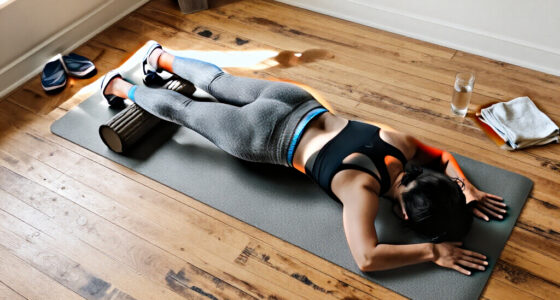
Her suggested routine includes squats, forward lunges, bent-over rows, banded lat pulls, a child’s-pose-to-kneeling push-up and a banded floor press. The report lists two to three sets of six to eight repetitions for each exercise, with lunges performed on each side. It calls for both a long-loop and a short-loop resistance band, though the exercise instructions do not specify a band type or resistance level for every movement.
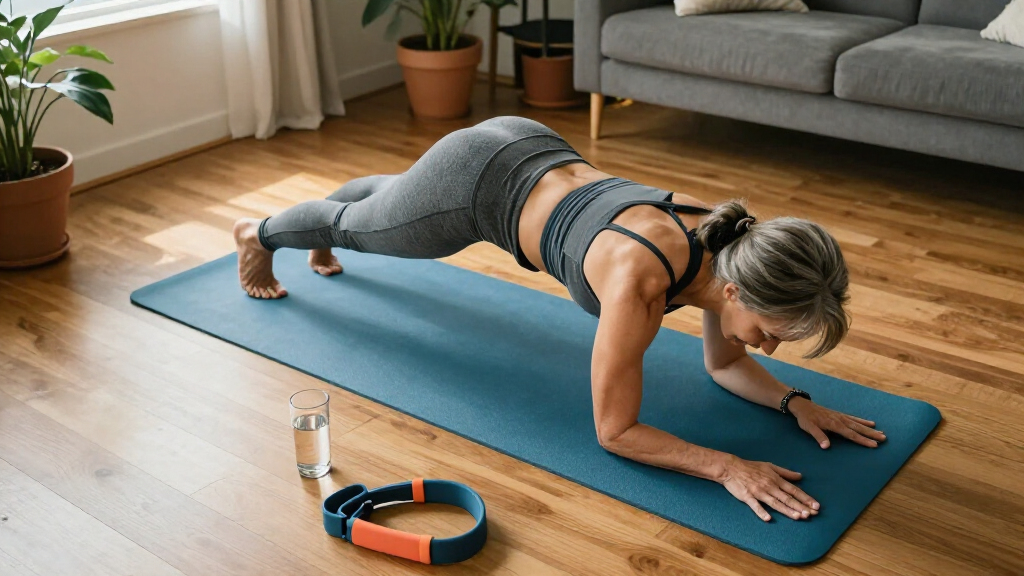
Brown advises people to perform as many repetitions as they can with good form and add repetitions incrementally from week to week. Her example is a plank: someone who can hold one for 20 seconds could start there, then add five seconds the following week. The workout is presented as a recommendation, not as a program tested in the report for every beginner or every injury.
A Lower-Load Route Into Strength Training
The routine offers a practical starting point for readers who are uncomfortable with gym equipment, have not exercised recently or prefer exercising at home. Resistance bands are portable and the listed movements cover several areas of the body, including the legs, back, chest and arms. Brown’s emphasis on starting with manageable repetitions may also give beginners a simple way to track progress without beginning at a high volume.
Her account is also a reminder that one trainer’s approach is not universal guidance. Brown links her decision to avoid heavy lifting to her own injuries, and the report does not establish that bands or higher repetitions are suitable for every person with an injury. Anyone returning to exercise after an injury or managing a health condition may need advice tailored to their circumstances.
Products Worth Considering

Garmin Forerunner 165 GPS Running Smartwatch, 43 mm, Black

Withings Sleep Under-Mattress Sleep Tracking Pad

Hyperice Hypervolt Go 3 Lightweight Percussion Massage Gun with Carry Case
As an affiliate, we earn on qualifying purchases.
Brown’s Approach to Lighter Resistance
The Fit&Well report frames Brown’s routine against commonly discussed advice about resistance training as people age, including potential benefits for muscle, bones and joints. It notes that some people may lack confidence with weights, be recovering from injury or want to avoid gym fees and bulky equipment. Those points are the report’s framing; it does not offer a detailed review of the evidence for strength training or compare outcomes from bands and heavy weights.
Brown says she uses higher repetitions to make lighter resistance more challenging, and describes herself as a fan of 20 reps. That is her personal training preference, not the beginner starting prescription in the workout. For beginners, she suggests six to eight repetitions and increasing the count over time. The source does not say how often readers should repeat the full routine each week.
“I don’t lift heavy because of injuries.”
— Jill Brown, speaking to Fit&Well
Limits of the Workout Advice
The source does not give a publication date, explain Brown’s injuries or specify whether a health professional advised her to avoid heavy lifting. It also does not identify the studies behind her statement about muscle growth with lighter resistance, or provide evidence that this particular routine produces a defined outcome.
Several practical details remain unspecified, including how often to do the workout, how long to rest between sets, how to choose band resistance and what modifications may suit different abilities. The report does not say whether the routine has been tested with beginners. Readers with pain, a recent injury or a pre-existing condition should seek individualized guidance before starting or changing an exercise program.
How Beginners Can Start Gradually
Brown’s stated next step for beginners is to try the movements at a level they can manage with good form, record their repetitions or hold times, and add a small amount the following week. The routine lists six to eight repetitions and two to three sets, but the report does not prescribe a weekly schedule or a fixed progression plan.
Anyone considering the workout can first check that the bands are secure and that they can perform each movement comfortably. If an exercise causes pain or a person is unsure how it relates to an injury or health condition, a qualified fitness or healthcare professional can help determine whether to modify it or choose another movement.
Key Questions
Who is Jill Brown?
Brown is 59 and is described in the Fit&Well report as a board-certified health and wellness coach, personal trainer and Pilates instructor.
Why does Brown say she avoids heavy weights?
Brown told Fit&Well that she does not lift heavy because of injuries. The report does not detail those injuries or say whether her approach is appropriate for other people.
What exercises are in the recommended workout?
The six movements are squats, lunges, bent-over rows, lat pulls, a child’s-pose-to-kneeling push-up and a banded floor press. The routine is described as taking 30 minutes and uses resistance bands.
How many repetitions should a beginner do?
Brown suggests starting with six to eight repetitions and adding more gradually, while keeping good form. The workout lists two to three sets; it does not give a personalized prescription for every reader.
Is the workout suitable for someone with an injury?
The report does not establish that it is suitable for every injury. Brown’s own training choices are based on her injuries, but readers with an injury or pre-existing condition should seek individualized professional guidance before trying the routine.
Source: rss