
TL;DR

Get wellness gear delivered free with Prime
- Fast, free delivery on millions of items
- Prime Video, Amazon Music and more included
- Member-only deals all year
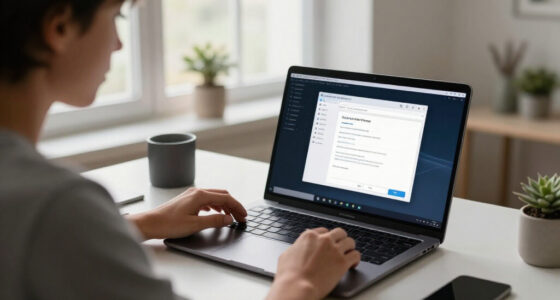
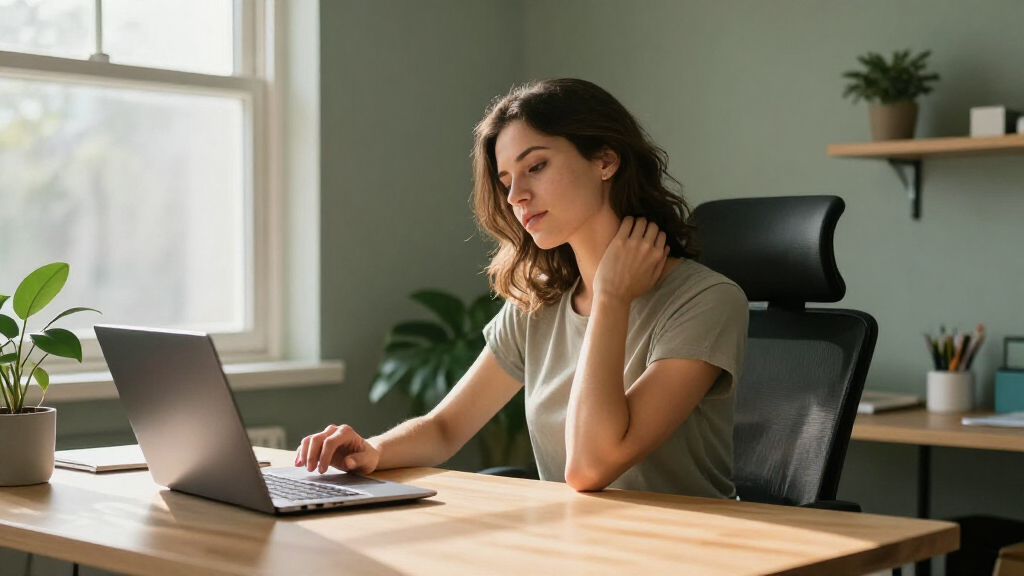
Fit&Well published a guide to three desk-based movements for screen-related neck discomfort: a side neck stretch, chin tuck and seated chest stretch. Physical therapists quoted in the report describe them as ways to address tightness and posture, alongside regular movement breaks and workstation adjustments.
Fit&Well has published a guide to three exercises people can do while seated at a desk to address discomfort associated with prolonged screen use: a side neck stretch, a chin tuck and a seated chest stretch. The report includes advice from physical therapists Raj Suppiah and Ashley Katzenback, who describe the movements as options for easing tightness and supporting more comfortable posture—not as a substitute for medical assessment when symptoms persist or worsen.
The guide begins with the side neck stretch. Sitting with feet flat and shoulders relaxed, a person holds the side of the chair with one hand and gently tilts the opposite ear toward the shoulder. Fit&Well recommends three five-second holds on each side, staying within a comfortable range and stopping if pain occurs. Katzenback, a doctor of physical therapy and owner of Cape Concierge Physical Therapy, says the movement targets muscles around the neck and shoulder, including the upper trapezius and levator scapulae.
The second movement is a chin tuck, described as a way to draw the head back from a forward position. Seated upright, place a finger lightly at the chin, move the head and neck backward without tipping the head down, hold for about two seconds, then release. The report suggests five to 10 repetitions. Katzenback says the exercise activates deep neck flexor muscles and stretches muscles at the base of the skull; those are her explanations of how the movement may help, not findings from a clinical trial described in the article.
For the seated chest stretch, sit with feet planted, let the arms rest by the sides with palms facing forward, and lift the chest slightly without arching the lower back. Fit&Well advises holding for five to 10 seconds and repeating five times. Katzenback says the stretch addresses tightness at the front of the body and encourages active use of mid-back muscles as the shoulders move back. The report does not present these exercises as a guaranteed treatment or provide comparative evidence establishing that they are the “best” options for every person.
Small Movements During Screen Work
The guide offers readers brief movements that can be done at a desk, without equipment or a separate workout session. That may make it easier to interrupt long periods of stillness, which Suppiah links to neck-muscle strain when someone stays in a flexed, looking-down posture. The practical point is not that a stretch can erase the effects of a whole day at a screen, but that a few gentle movements can form part of a broader approach to comfort.
Suppiah also recommends short movement breaks every 30 to 45 minutes, adjusting screen height so its top third is around eye or forehead level, and keeping the keyboard and mouse close enough to avoid reaching forward. He advises regular walking, strength training and mobility work for the neck, shoulders and upper back. These measures matter because the exercises are only one part of the report’s advice; workstation setup and breaks also address how screen time is spent.
Readers should treat the movements as general exercise guidance, not a diagnosis. The article gives instructions to work gently and stop if a stretch causes pain. It does not explain how to adapt the routine for an injury or an existing neck condition, so people with persistent, severe or concerning symptoms may need individual guidance from a qualified health professional.
ergonomic desk chair with lumbar support
As an affiliate, we earn on qualifying purchases.
As an affiliate, we earn on qualifying purchases.
How the Desk Routine Is Framed
The report uses “tech neck” as a common name for discomfort associated with extended periods looking down at a device or leaning forward toward a screen. Suppiah, a physical therapist at Foundation Physical Therapy and Wellness, defines the issue in the report as “the strain of neck muscles as a result of a prolonged flexed [looking down] posture.” He says prolonged hunched positioning can leave neck muscles tight or overloaded and may be associated with stiffness, pain or headaches.
Against that background, Fit&Well asked Katzenback which exercises could help with screen-related discomfort. Her responses explain the intended focus of each movement: the side stretch works on sideways neck movement, the chin tuck practices bringing the head back, and the chest stretch targets tightness associated with a forward-slumped position. The recommendations are expert guidance reported by Fit&Well; the supplied material does not cite a study testing these three exercises together or establish how often every reader should perform them.
““the strain of neck muscles as a result of a prolonged flexed [looking down] posture””
— Raj Suppiah, physical therapist at Foundation Physical Therapy and Wellness
adjustable sit-stand desk converter
As an affiliate, we earn on qualifying purchases.
As an affiliate, we earn on qualifying purchases.
Limits of the Exercise Guidance
The supplied report does not state its publication date, cite clinical research comparing the three movements, or say how quickly someone should expect a change in symptoms. It also does not establish that screen posture is the sole cause of an individual’s neck discomfort. The exercises’ effects will not be the same for everyone, and the report offers no individualized assessment or modifications for people with a diagnosed condition, recent injury or pain that increases during movement.
Fit&Well’s instructions do say to move gently within a comfortable range and stop if there is pain. Beyond that, the source does not give criteria for when symptoms require medical attention. Readers with persistent or worsening discomfort should seek appropriate professional advice rather than relying on a desk routine alone.
As an affiliate, we earn on qualifying purchases.
Pair Exercises With Regular Breaks
The report’s immediate recommendation is to incorporate the movements into a wider workday routine: break up sitting every 30 to 45 minutes, arrange the screen and input devices to reduce forward reaching or looking down, and keep up regular general exercise. The supplied source does not announce a follow-up study, a new clinical guideline or a later milestone, so no further development is confirmed.
For readers trying the routine, the next practical step is to test each movement gently and pay attention to how the body responds. If discomfort persists, worsens or is accompanied by other concerning symptoms, an individualized assessment from a qualified clinician can help determine what is appropriate.
posture corrector for desk workers
As an affiliate, we earn on qualifying purchases.
As an affiliate, we earn on qualifying purchases.
Key Questions
What are the three exercises in the Fit&Well report?
They are a side neck stretch, a chin tuck and a seated chest stretch. All are described as movements that can be done while seated at a desk.
How many repetitions does the report suggest?
Fit&Well recommends three five-second holds per side for the side neck stretch, five to 10 chin tucks with a two-second hold, and five chest-stretch holds of five to 10 seconds each.
Are the exercises proven to cure tech neck?
No. The report presents physical therapists’ explanations and exercise guidance, but the supplied material does not cite research proving that these movements cure the condition or work for everyone.
What other changes does the report recommend?
Suppiah advises taking movement breaks every 30 to 45 minutes, positioning the screen around eye level, keeping the keyboard and mouse close, and doing regular walking, strength and mobility activity.
When should someone stop the stretches?
The report says to move gently within a comfortable range and stop if there is pain. It does not provide individualized advice; persistent or worsening symptoms are a reason to seek guidance from a qualified health professional.
Source: rss
Halloween Picks
halloween
As an affiliate, we earn on qualifying purchases.