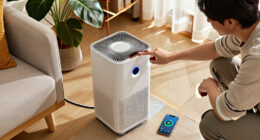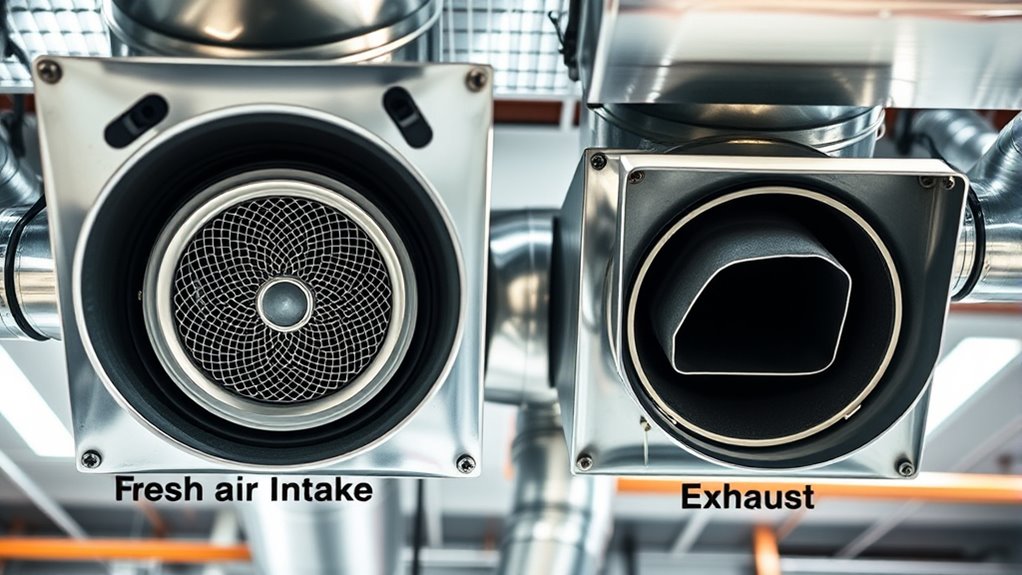

Fresh air intake systems bring in outside air through filters, improving indoor air quality and ventilation, while exhaust systems remove stale, polluted indoor air to maintain a healthy environment. The key difference is that intake introduces fresh air, and exhaust pushes out indoor air. Balancing both creates an efficient airflow that prevents stuffiness and reduces pollutants. To understand how these systems work together, explore further to discover tips for ideal ventilation and air quality management.

Get wellness gear delivered free with Prime
- Fast, free delivery on millions of items
- Prime Video, Amazon Music and more included
- Member-only deals all year
Key Takeaways
- Fresh air intake introduces outside air into indoor spaces, while exhaust removes indoor air to the outside.
- Intake ventilation supplies fresh air; exhaust ventilation removes stale air and indoor pollutants.
- Both systems work together to balance airflow, improve indoor air quality, and prevent air stagnation.
- Key components include filters for intake and fans for both intake and exhaust systems.
- Proper coordination of intake and exhaust ensures optimal air exchange and maintains indoor environmental comfort.
As an affiliate, we earn on qualifying purchases.
What Is Fresh Air Intake and How Does It Work?
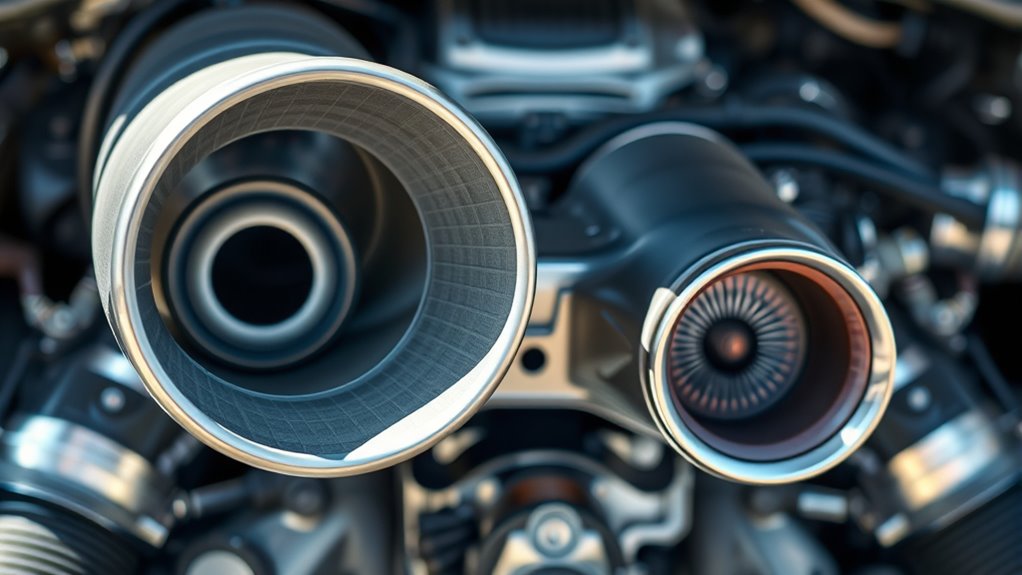
Ever wondered how fresh air gets into a building or vehicle? It all starts with the fresh air intake system. This system pulls outside air through an air filter, which traps dust, pollen, and other particles to guarantee clean air enters. The ventilation rate determines how much air is exchanged, affecting indoor air quality and comfort. A higher ventilation rate means more fresh air circulates, reducing indoor pollutants and maintaining a healthy environment. The intake system works in tandem with fans or ductwork to distribute the filtered air throughout the space. Properly designed fresh air intake systems help maintain ideal airflow while keeping contaminants out, ensuring you breathe cleaner, fresher air every moment. Additionally, integrating automation in ventilation systems can optimize airflow based on real-time indoor conditions, further enhancing air quality and energy efficiency.
exhaust fan for indoor ventilation
As an affiliate, we earn on qualifying purchases.
As an affiliate, we earn on qualifying purchases.
Understanding Exhaust Systems and Their Purpose
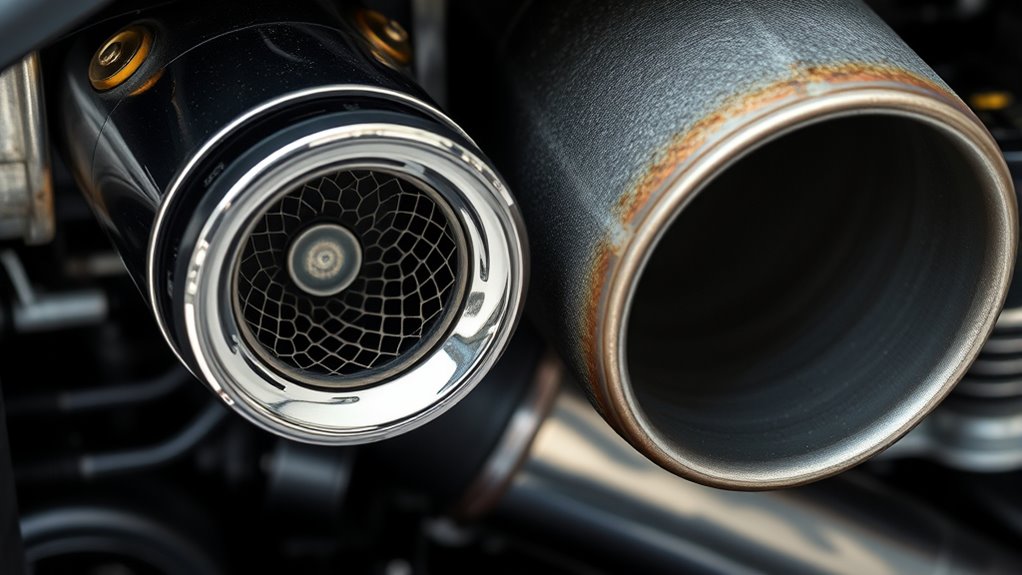
Exhaust systems play an essential role in maintaining indoor air quality by removing stale, contaminated air from a space. They influence airflow dynamics, ensuring air moves smoothly from indoors to outside, preventing buildup of pollutants. Properly designed exhaust systems boost ventilation efficiency by continuously expelling indoor contaminants like dust, odors, and humidity. This process helps regulate temperature and reduces health risks associated with poor air quality. You’ll want to contemplate factors such as fan capacity, duct design, and placement to optimize airflow and maximize effectiveness. An efficient exhaust system works in tandem with fresh air intake to create a balanced environment. Without it, indoor air can stagnate, decreasing comfort and potentially causing health issues. Understanding how exhaust systems operate helps you maintain a healthier, more comfortable indoor space. Additionally, considering ventilation strategies can further improve indoor air quality and system performance.
As an affiliate, we earn on qualifying purchases.
Key Differences Between Intake and Exhaust Ventilation

While both intake and exhaust ventilation are essential for maintaining healthy indoor air quality, they serve distinct functions within a building’s airflow system. Intake ventilation brings fresh air in, creating airflow patterns that promote circulation and prevent stale air buildup. Exhaust ventilation removes indoor air, pulling contaminated or humid air out to improve indoor environment quality. The key difference lies in their direction of airflow: intake systems draw air inward, while exhaust systems push air outward. This difference affects ventilation efficiency, as balancing the two ensures ideal air exchange without creating negative or positive pressure issues. Properly coordinating intake and exhaust helps maintain consistent airflow patterns, enhances energy efficiency, and ensures your indoor spaces stay fresh and comfortable. Additionally, understanding the importance of proper airflow management can help prevent issues related to air quality, ensuring a healthier indoor environment.
As an affiliate, we earn on qualifying purchases.
Common Terms and Technical Language Explained
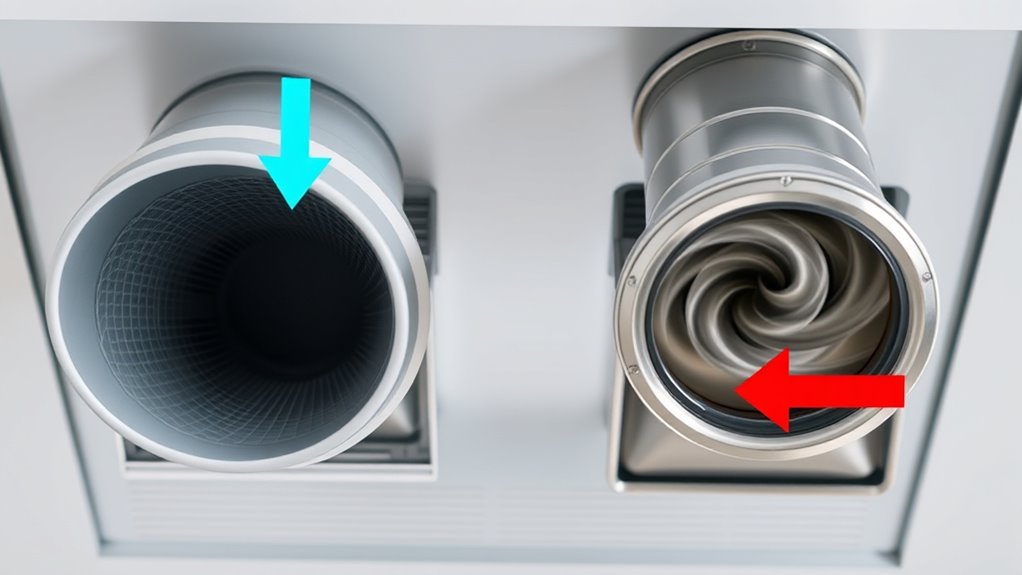
Understanding the common terms and technical language used in ventilation systems can seem intimidating at first, but it’s essential for making informed decisions about indoor air quality. Terms like air filtration refer to the process of removing pollutants and particles from the air, improving overall indoor air quality. You’ll also encounter concepts such as ventilation rates, which measure how much fresh air enters your space, and HVAC systems, responsible for maintaining airflow and temperature. Knowing these terms helps you identify systems that optimize air filtration and ensure healthy indoor environments. By understanding these basics, you can better evaluate your options and choose ventilation solutions that prioritize clean, fresh air for your indoor space.
Practical Tips for Managing Air Quality in Your Space
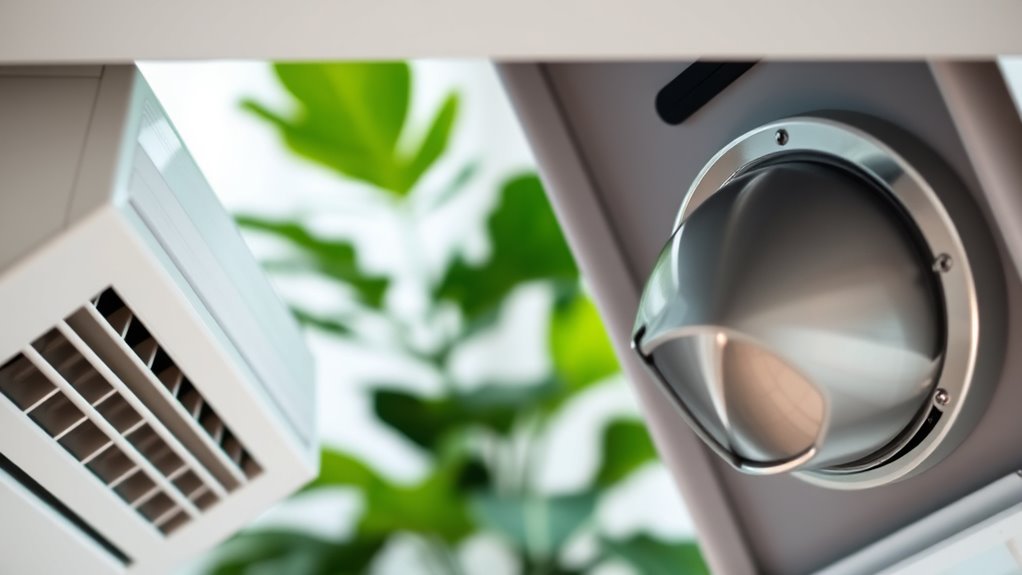
Maintaining good air quality in your space involves practical steps you can take daily. Start by improving air filtration; use high-quality filters in your HVAC system to reduce indoor pollutants like dust, pollen, and pet dander. Regularly clean or replace filters to guarantee peak performance. Ventilate your space whenever possible by opening windows or using exhaust fans to bring in fresh air and remove stale indoor pollutants. Keep surfaces clean to minimize dust accumulation and indoor pollutants. Consider adding air purifiers with HEPA filters in high-traffic areas for extra filtration. Be mindful of chemical sources such as cleaning supplies, candles, or fragrances, which can contribute to indoor pollutants. Additionally, choosing air purifiers with Auto Functionality can help maintain consistent air quality without manual adjustments. These simple actions help maintain healthier air quality and create a more comfortable environment.
Frequently Asked Questions
How Do I Choose Between Fresh Air Intake and Exhaust Systems?
To choose between fresh air intake and exhaust systems, consider your home’s ventilation design and air quality needs. Fresh air intake systems bring in outside air, improving indoor air quality, while exhaust systems remove stale air and pollutants. If you want better ventilation, opt for a balanced system that manages both. Think about your climate, indoor pollutants, and energy efficiency to make the best choice for your space.
What Are the Environmental Impacts of Different Ventilation Options?
Think of ventilation options like a garden’s airflow—some are gentle breezes, others storm winds. Your choices impact indoor air quality and ventilation efficiency, affecting the environment. Fresh air intake systems bring in cleaner air, reducing pollutants, but can use more energy. Exhaust systems efficiently remove indoor contaminants, conserving energy but possibly pulling in outdoor pollutants. Balancing these options helps you minimize environmental impacts while maintaining healthy indoor air quality.
Can Poor Ventilation Cause Health Issues?
Poor ventilation can definitely cause health issues. When indoor air quality declines, you might experience headaches, allergies, or respiratory problems. Stale air traps pollutants, allergens, and moisture, which can lead to mold growth and worsen asthma symptoms. Regularly improving indoor air circulation with proper ventilation helps maintain healthy air quality, reducing the risk of health problems and ensuring you breathe cleaner, fresher air every day.
How Often Should Ventilation Systems Be Maintained or Cleaned?
You should clean your ventilation system at least once a year, but if you notice dust buildup or odors, increase the frequency. For example, a homeowner with allergies found air filter maintenance and duct cleaning every six months markedly improved indoor air quality. Regular maintenance prevents mold and dust accumulation, ensuring your system runs efficiently. Keep track of signs like reduced airflow or strange smells to determine when to schedule professional cleaning.
Are There Energy-Efficient Methods to Improve Air Exchange?
Yes, you can improve air exchange efficiently with energy-saving ventilation methods like heat recovery ventilators (HRVs) and energy recovery ventilators (ERVs). These systems enhance air quality without wasting energy by reclaiming heat during air exchange. Additionally, using smart controls and adjustable vents helps you maintain ideal airflow, reducing energy costs while ensuring fresh air circulation. Implementing these solutions leads to better air quality and energy-efficient ventilation in your space.
Conclusion
Think of your ventilation system as the lungs of your space, breathing in fresh air and exhaling stale air. By understanding the differences between intake and exhaust, you can guarantee a continuous flow that keeps your environment healthy and comfortable. When you manage these systems wisely, you’re guiding a steady dance of air—like a well-orchestrated symphony—creating a space that feels fresh, balanced, and revitalized every day.
Halloween Picks
halloween
As an affiliate, we earn on qualifying purchases.