Passive sauna ventilation relies on natural airflow caused by temperature and pressure differences, making it simple, energy-efficient, and cost-effective. Active systems use fans or mechanical devices to guarantee consistent, controllable airflow, regardless of outdoor conditions. If you want reliable humidity control and better heat distribution, an active system might suit you better. As you explore further, you’ll discover how each system’s benefits and limitations align with your sauna’s needs and safety considerations.
Key Takeaways
- Passive systems rely on natural airflow, while active systems use fans for controlled ventilation.
- Active systems provide consistent air exchange regardless of outdoor conditions, unlike passive setups.
- Passive ventilation is energy-efficient and simple but less effective in stable or cold climates.
- Active systems enhance humidity control and heat distribution with adjustable, mechanical airflow.
- Choice depends on climate, safety needs, and desired control over indoor air quality.
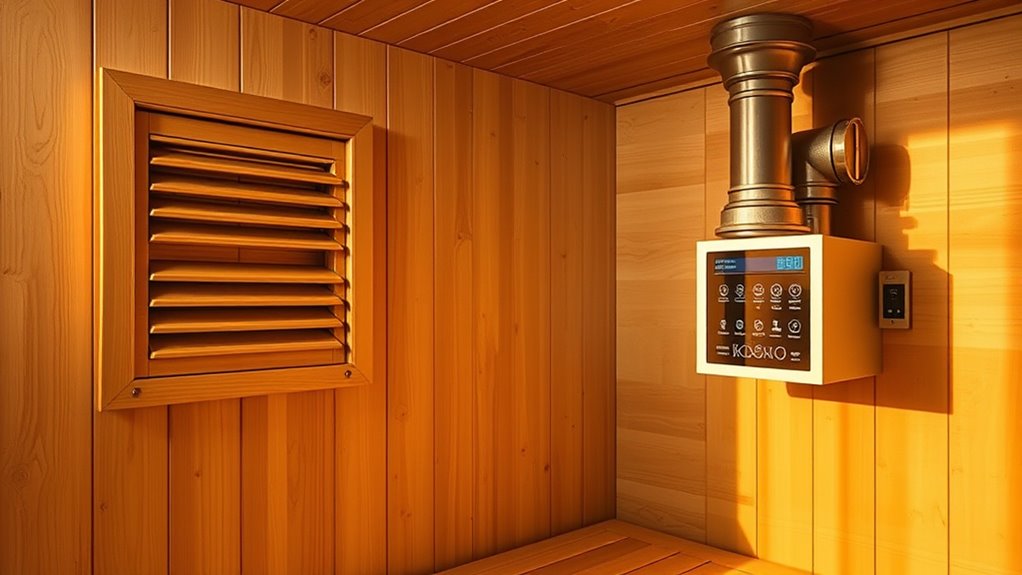
When it comes to maintaining a comfortable and safe sauna environment, choosing the right ventilation system is essential. Proper ventilation ensures fresh air circulates, humidity stays in check, and heat distributes evenly, making your sauna experience both enjoyable and safe. One of the key factors to consider is air exchange efficiency, which measures how effectively the ventilation system replaces stale indoor air with fresh outside air. A system with high air exchange efficiency is crucial for removing excess humidity, odors, and pollutants that can build up inside the sauna.
Choosing the right sauna ventilation ensures fresh air, humidity control, and even heat distribution for a safe, enjoyable experience.
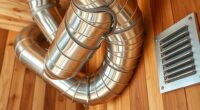
Passive and active ventilation systems each have their advantages when it comes to air exchange efficiency. Passive systems rely on natural forces, like temperature differences and pressure variations, to promote airflow. These systems are often simpler and require no mechanical parts, but their air exchange efficiency can be inconsistent, especially in colder or more stable climates where natural airflow is limited. Active systems, on the other hand, use fans or mechanical ventilation to force air movement. This approach guarantees a more controlled and consistent air exchange, ensuring fresh air is supplied continuously, regardless of outdoor conditions. This consistency in air exchange often results in higher air exchange efficiency, which is vital for maintaining optimal sauna conditions.
Energy consumption comparison is another critical aspect. Passive systems typically consume little to no energy since they operate based on natural airflow. This makes them an attractive option if you’re looking to minimize energy costs. However, their effectiveness can be compromised during periods of low natural airflow, which might lead to inadequate ventilation and potential safety concerns. Active systems, while more energy-intensive due to the use of fans or blowers, provide reliable and adjustable ventilation, ensuring the sauna stays fresh and safe. The trade-off is that they might increase your energy bill, especially if used continuously. But, modern active ventilation units are increasingly energy-efficient, incorporating features like variable speed fans and smart controls to reduce power consumption when full airflow isn’t necessary.
In choosing between passive and active systems, consider your climate, usage frequency, and safety priorities. If you prefer a low-cost, low-energy solution and your environment naturally facilitates airflow, a passive system could work well. But if you value consistent air quality and precise control, investing in an active ventilation system is likely the better choice. Additionally, understanding sauna ventilation and how it impacts humidity and heat distribution can help you make an informed decision. Ultimately, understanding the balance between air exchange efficiency and energy consumption comparison will guide you toward the most suitable ventilation approach, ensuring your sauna remains a safe, comfortable, and enjoyable space.
Frequently Asked Questions
How Do Ventilation Choices Impact Sauna Energy Efficiency?
Your ventilation choices directly influence your sauna’s energy efficiency by controlling air exchange. An efficient system guarantees fresh air circulates without overworking the heater, leading to significant energy savings. Active systems, which actively manage airflow, optimize temperature maintenance and reduce energy waste. Proper ventilation keeps the sauna comfortable while minimizing energy consumption, helping you save money and extend the lifespan of your equipment.
Are Passive Systems Suitable for Large or Commercial Saunas?
You’ll find passive systems generally aren’t suitable for large or commercial saunas because they can struggle with ventilation effectiveness, especially in bigger spaces. Studies show active systems enhance airflow by up to 50%, ensuring better temperature control and air quality. Plus, passive systems often face installation challenges in larger settings, making active ventilation the smarter choice for maintaining comfort and safety in commercial environments.
What Maintenance Is Required for Active Ventilation Systems?
You need to regularly maintain your active ventilation system by replacing filters as recommended by the manufacturer to guarantee ideal airflow and air quality. Additionally, you should perform system calibration periodically to keep the system functioning efficiently and accurately. Checking for any debris or blockages and scheduling professional inspections can help prevent issues, ensuring your sauna remains a safe and comfortable environment.
Can Ventilation Affect Sauna Humidity Levels Significantly?
Ventilation can profoundly impact sauna humidity levels, especially if you neglect airflow regulation. Proper humidity control depends on how well you manage the airflow, ensuring it’s neither too dry nor too damp. When ventilation is efficient, it maintains a balanced humidity environment, enhancing your sauna experience. Without good airflow regulation, humidity can fluctuate wildly, leading to discomfort or even damage. So, keep your ventilation system in check to control humidity effectively.
How Do Costs Compare Between Passive and Active Systems Over Time?
You’ll find that passive systems usually cost less upfront, making them appealing if you’re budget-conscious. However, over time, active systems tend to have higher long-term expenses due to energy consumption and maintenance. The cost comparison shows that while passive options save money initially, active systems may be more efficient and cost-effective in the long run, especially if you want better control and ventilation in your sauna.
Conclusion
Choosing between passive and active sauna ventilation is like selecting the right rhythm for a dance; both can lead to a harmonious and invigorating experience. Passive systems whisper softly, relying on natural flow, while active ones drum loudly, demanding attention. Ultimately, the best choice depends on your needs, but remember, a well-ventilated sauna breathes life into every session, transforming it into a symphony of warmth and wellness. Your perfect balance awaits, just like a tune waiting to be played.