Total Dissolved Solids (TDS) in plunge water measure the combined minerals, salts, and inorganic substances dissolved in it. High TDS can affect taste, safety, and how well your water works with appliances. It’s usually tested with a TDS meter that measures conductivity, giving you a quick idea of water quality. Knowing your TDS level helps you understand if your water is safe and suitable. Keep exploring to learn more about what your TDS level means for you.
Key Takeaways
- TDS in plunge water indicates mineral content, affecting water taste, safety, and potential scaling issues.
- Measuring TDS helps assess water quality and suitability for soaking or therapeutic use.
- Electronic TDS meters provide quick, portable readings of total dissolved solids in plunge water.
- High TDS levels may cause salty or metallic taste and scale formation on surfaces and equipment.
- Understanding TDS helps determine if plunge water is safe, balanced, and appropriate for intended use.

Have you ever wondered what the numbers on your water test results really mean? When you see a TDS reading on your water report, it’s fundamentally a measurement of the total dissolved solids, which include minerals, salts, metals, and other inorganic substances. These dissolved particles come from natural sources like rocks and soil, or from man-made activities such as industrial processes and water treatment. Understanding TDS is vital because it directly impacts water quality, taste, and safety. To interpret your test results accurately, you need to grasp the concept of water mineralization, which refers to the presence of these dissolved minerals and elements in your water. Additionally, the type of technology used in measurement can influence the accuracy and relevance of your results.
TDS measurement techniques are the tools and methods used to determine the concentration of dissolved solids in water. The most common method involves electronic TDS meters, which work by passing an electrical current between two electrodes submerged in the water sample. Because dissolved ions conduct electricity, the meter translates this conductivity into a TDS reading, typically expressed in parts per million (ppm) or milligrams per liter (mg/L). These devices are quick, portable, and easy to use, making them popular among homeowners, water testers, and professionals alike. However, it’s important to remember that TDS meters measure conductivity, not the specific types of solids present. That means a high TDS reading indicates a high level of dissolved ions, but not necessarily harmful substances. It could just be minerals like calcium and magnesium, which are beneficial in moderation.
There are other TDS measurement techniques, such as laboratory analysis, which involves filtering and evaporating water samples to measure the actual mass of dissolved solids directly. While more precise, this method takes longer and requires specialized equipment. For most everyday purposes, a good-quality TDS meter provides sufficient information to assess water mineralization levels. When interpreting TDS results, consider the recommended ranges for different water uses. For example, drinking water typically has TDS levels below 500 ppm, with lower values often indicating fresher, cleaner water. In contrast, water with very high TDS levels might taste salty or metallic, and it could cause scaling in appliances or pose health concerns if certain harmful metals are present. Understanding the role of mineralization can help you determine whether the water is suitable for your needs.

Instant 4-in-1 TDS Meter Digital Water Tester for Drinking Water | Accurate 0–9990 PPM EC & Temp Readings | Ideal for RO Systems, Aquariums, Pools – Built for Professionals, Easy for Anyone
4-IN-1 WATER TESTING METER – Measures Total Dissolved Solids (TDS), Electrical Conductivity (EC), and temperature in °C/°F. Compact…
As an affiliate, we earn on qualifying purchases.
As an affiliate, we earn on qualifying purchases.
Frequently Asked Questions
How Does TDS Affect Skin Health During Bathing?
High TDS levels in plunge water can cause skin irritation, making your skin feel itchy or uncomfortable. When TDS is elevated, it may also interfere with your skin’s moisture retention, leaving your skin dry or flaky after bathing. To protect your skin, verify the water has balanced TDS levels, and consider rinsing with fresh water if you notice irritation or dryness. Proper TDS management helps keep your skin healthy and comfortable.
Can High TDS Levels Cause Equipment Corrosion?
A stitch in time saves nine, and high TDS levels can definitely cause equipment corrosion. Elevated TDS increases mineral deposits, which accelerate corrosion risks in pumps, filters, and other components. Proper water treatment is essential to control TDS levels and prevent damage. Regular testing and maintenance help keep your plunge equipment in top shape, saving you money and hassle down the line. Don’t wait until corrosion becomes a costly problem.
What Is the Ideal TDS Range for Plunge Pools?
The ideal TDS range for plunge pools is between 800 and 1500 ppm. Maintaining this range guarantees proper water filtration and chemical balance, preventing scaling or corrosion. Test your water regularly, and adjust with appropriate treatments to keep TDS levels steady. Staying within this range helps your equipment last longer, keeps the water comfortable, and reduces maintenance needs, ensuring your plunge pool remains safe and inviting.
How Often Should TDS Levels Be Tested in Plunge Water?
Test TDS levels regularly to maintain pristine plunge water. Water testing and TDS monitoring should occur at least weekly, especially during heavy usage or after chemical treatments. Consistent checks help catch increases early, preventing problems before they become prevalent. By vigilantly verifying TDS levels, you ascertain safe, sparkling water, safeguarding your plunge pool’s health and happiness. Regular testing truly keeps your pool pristine and perfectly balanced.
Are There Natural Methods to Reduce TDS in Water?
Yes, you can reduce TDS naturally using plant-based solutions and natural filtration. You might add certain aquatic plants like water hyacinth or duckweed, which absorb dissolved solids. Installing a bio-filter or using charcoal and sand in a natural filtration system can also help lower TDS levels. These eco-friendly methods improve water quality without chemicals, creating a healthier plunge environment while maintaining a sustainable, natural balance.

TDS Water Tester, Drinking Water Tester, 0-9990 PPM Meter Water Quality Tester, Portable Water Tester for Drinking Water, TDS Meter Digital Water Tester, 1 Pack, Deep Blue
TDS Meter: The TDS meter digital water tester is equipped with a premium titanium alloy probe that can…
As an affiliate, we earn on qualifying purchases.
As an affiliate, we earn on qualifying purchases.
Conclusion
Now that you understand TDS in plunge water, think of it as both a silent guest and a visible badge of water quality. While low TDS might seem inviting, high TDS can quietly indicate impurities lurking beneath the surface. Just like a clear lake hides hidden depths, your water’s TDS level reveals the unseen story of its purity. Keep an eye on TDS, and you’ll always know whether your water’s true character is pristine or compromised.
Instant 4-in-1 TDS Meter Digital Water Tester for Drinking Water | Accurate 0–9990 PPM EC & Temp Readings | Ideal for RO Systems, Aquariums, Pools – Built for Professionals, Easy for Anyone
4-IN-1 WATER TESTING METER – Measures Total Dissolved Solids (TDS), Electrical Conductivity (EC), and temperature in °C/°F. Compact…
As an affiliate, we earn on qualifying purchases.
As an affiliate, we earn on qualifying purchases.
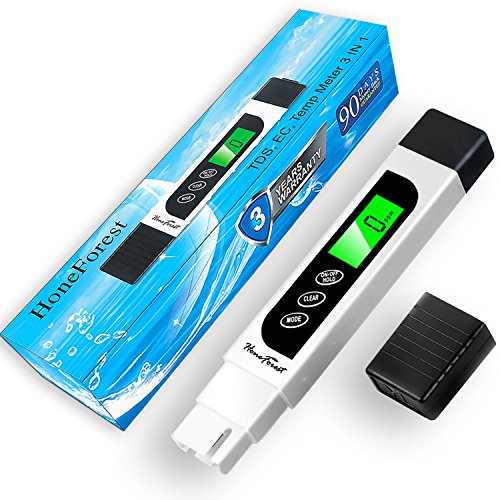
HoneForest TDS Meter, Digital Water Tester – Accurate and Reliable, Measures TDS, EC & Temperature (°F/°C), 0-9990ppm, Water Test Meter for Drinking Water, RO/DI System, Aquariums, etc
ACCURATE AND RELIABLE: To achieve high accuracy, the TDS water tester is equipped with a premium quality titanium…
As an affiliate, we earn on qualifying purchases.
As an affiliate, we earn on qualifying purchases.