TL;DR

Get wellness gear delivered free with Prime
- Fast, free delivery on millions of items
- Prime Video, Amazon Music and more included
- Member-only deals all year
Personal wellness tracking devices are rapidly advancing, offering detailed health data and motivation tools. They help you stay on top of your fitness and health goals but should complement, not replace, professional advice.
Imagine having a pocket-sized health coach that keeps tabs on your heart rate, sleep, and activity — all day long. These gadgets are no longer science fiction; they’re becoming part of daily life. But with so many options, how do you pick the right one? And what can they really tell you about your health?
This guide breaks down how personal wellness tracking devices work, what’s new in the market, and how you can use them to support your personal wellness journey — safely and smartly.
Choose a device that aligns with your specific health goals—whether it’s activity, sleep, or medical monitoring.
Recent tech improvements significantly enhance measurement accuracy and usability, making devices more reliable and comfortable.
Consistent use and regular review of your data turn raw numbers into actionable insights.
Prioritize privacy: select reputable brands, understand data sharing policies, and protect your info.
Remember, wellness devices support but don’t replace professional advice—use them as part of a balanced health approach.
What Types of Wellness Devices Should You Know About?
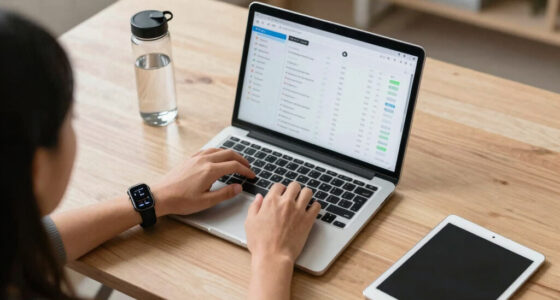
Personal wellness devices come in all shapes and sizes, each designed to track different aspects of your health. The most common are wearables like smartwatches and fitness bands, which sit comfortably on your wrist. Think of a Fitbit or Apple Watch — they track steps, heart rate, and even sleep patterns.
Beyond wearables, there are non-wearable options like smart scales that monitor body composition or sleep trackers that slip under your mattress. Specialized gadgets like continuous glucose monitors or blood pressure cuffs offer more targeted insights, often used with medical supervision.
Choosing the right device depends on your specific health goals. For example, if you want motivation and daily activity stats, a fitness band might suffice. But if you’re managing a medical condition, you might need medical-grade devices that provide more accurate data, which could also require professional interpretation. Understanding these differences helps you avoid investing in features you don’t need and ensures your device effectively supports your health journey.
best fitness tracker for sleep and activity
As an affiliate, we earn on qualifying purchases.
As an affiliate, we earn on qualifying purchases.
Core Features That Make These Devices Work for You
Ever wondered what makes a wellness device valuable? It’s all about the features, but their significance goes beyond simple data collection. Accurate activity tracking—such as counting steps, measuring distance, and estimating calories—provides a baseline for understanding your daily movement. However, the real value lies in how this data influences behavior. For example, noticing a decline in activity levels might motivate you to take short walks, improving overall health.
Sleep monitoring is more than just tracking hours; it reveals sleep stages and patterns, which can highlight issues like frequent awakenings or restless sleep that you might not notice otherwise. Recognizing these patterns helps you identify factors disrupting your rest, such as stress or environmental noise, and take targeted actions.
Heart rate sensors are foundational, offering insights into your cardiovascular health. Elevated resting heart rates or irregular rhythms can indicate stress, overtraining, or underlying health issues. Additional sensors like SpO2 (blood oxygen levels), stress, or hydration tracking add layers of context, helping you understand how various factors—like altitude, dehydration, or emotional stress—affect your well-being. Interpreting these interconnected data points enables more personalized health decisions.
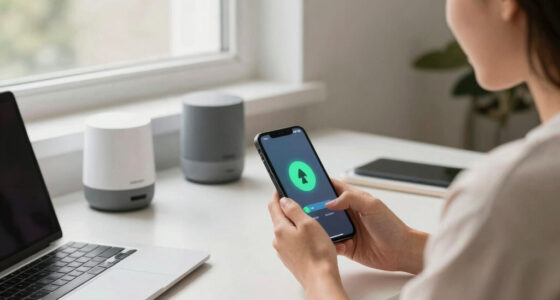
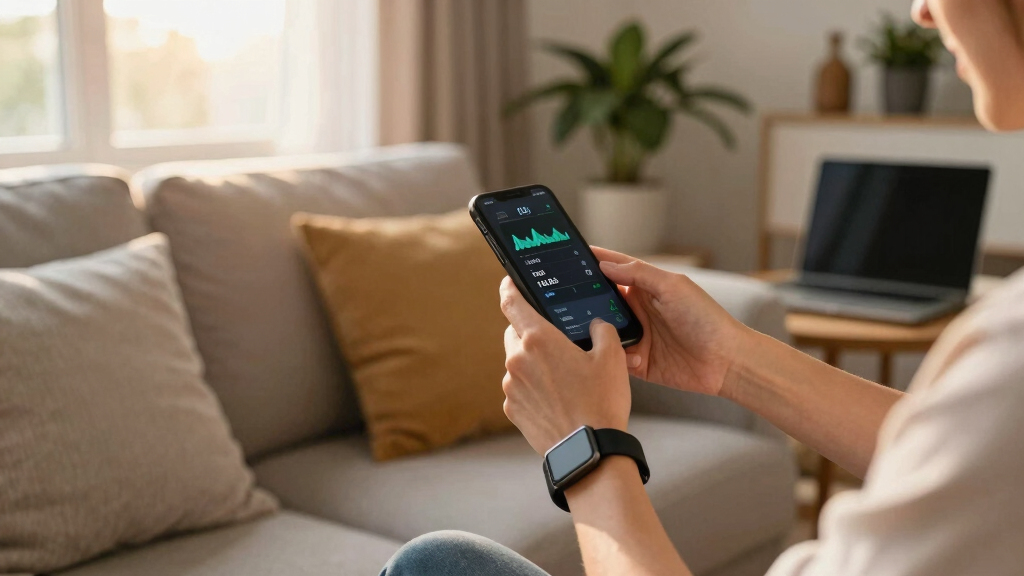
Most devices sync with smartphones, transforming raw data into actionable insights through apps. Regular syncing and trend analysis are crucial because they reveal patterns over time, allowing you to make informed lifestyle adjustments instead of reacting to isolated data points. For instance, noticing a gradual increase in resting heart rate might prompt a consultation with your healthcare provider before symptoms worsen.
medical-grade blood pressure monitor
As an affiliate, we earn on qualifying purchases.
As an affiliate, we earn on qualifying purchases.
How the Latest Tech Boosts Your Wellness Game
Recent technological advancements are significantly enhancing the accuracy and usefulness of personal wellness devices. Improved sensors now deliver more precise readings for vital signs like heart rate, SpO2, and even ECGs, which can detect arrhythmias. This level of detail approaches clinical-grade accuracy, enabling early detection of potential health issues. For example, an accurate ECG feature can alert users to irregular heart rhythms that might otherwise go unnoticed, facilitating early intervention.
Emerging innovations like non-invasive glucose monitoring could revolutionize diabetes management, reducing the need for finger pricks and making continuous monitoring more accessible. While still in development, these technologies promise to make health tracking more seamless and less intrusive, potentially improving adherence and outcomes.
Artificial intelligence and machine learning are transforming raw data into personalized insights, offering early warnings and tailored recommendations. For instance, an AI-powered device might detect subtle changes in your heart rhythm or sleep quality, prompting preventive actions before symptoms become serious. These intelligent features turn passive data collection into proactive health management, empowering users to make timely, informed decisions.
Battery life improvements mean devices can last up to two weeks on a single charge, reducing inconvenience and encouraging consistent use. Sleeker, more comfortable designs increase wearability, making it easier to integrate these devices into daily life without discomfort or distraction. Features like stress tracking, menstrual cycle insights, and telehealth platform integration make wellness devices comprehensive tools, facilitating holistic health management in a user-friendly way.
smartwatch with heart rate monitor
As an affiliate, we earn on qualifying purchases.
As an affiliate, we earn on qualifying purchases.
Choosing the Right Device: What Matters Most?
Picking the perfect wellness device isn’t just about bells and whistles; it’s about aligning features with your personal health priorities. Understanding what you want to achieve—whether it’s tracking activity, improving sleep, managing stress, or monitoring a health condition—guides your choice. A device that offers features you don’t need can be a distraction or lead to data overload, whereas focusing on relevant capabilities helps you stay engaged and motivated.
When selecting a device, consider how well it integrates with your existing health ecosystem. Compatibility with your smartphone, ease of use, and app functionality influence your ongoing engagement. For example, a device with a user-friendly interface and comprehensive app can make reviewing your health data a daily habit rather than a chore.
Here’s a quick guide to help you decide:
| Priority | Device Type | Best For |
|---|---|---|
| Activity & Fitness | Fitness bands, smartwatches | Steps, calories, workouts |
| Sleep & Rest | Sleep trackers, smart rings | Sleep quality, stages |
| Medical Monitoring | ECG, blood pressure monitors | Heart health, blood pressure |
| Stress & Mental Wellness | Stress trackers, guided meditation apps | Stress levels, mindfulness |
Remember, the most effective device is one you will wear consistently and find easy to incorporate into your routine. Balancing budget, comfort, and feature set ensures sustained engagement and meaningful health improvements over time.
sleep tracking device under mattress
As an affiliate, we earn on qualifying purchases.
As an affiliate, we earn on qualifying purchases.
Safety and Privacy — What You Need to Know
Personal wellness devices collect sensitive health data, making security a top priority. Choosing brands with transparent privacy policies and robust encryption standards is essential because they help prevent unauthorized access and data breaches. Regularly updating your device’s software is equally important, as updates often include security patches that fix vulnerabilities exploited by hackers.
Be cautious about what data you share and with whom. Only authorize data sharing with trusted apps or healthcare providers, and review privacy settings periodically to ensure your preferences are maintained. Protecting your health information is critical because breaches can lead to identity theft, misuse of sensitive data, or loss of privacy.
Reputable brands like Apple and Fitbit implement end-to-end encryption, significantly reducing the risk of data interception. However, understanding their privacy policies—what data is collected, stored, and shared—is vital. Limit data sharing to necessary services and disable features you do not use to minimize exposure. Taking proactive steps to secure your data ensures your wellness journey remains private and protected.
How to Get the Most Out of Your Wellness Tracker
- Set clear, achievable goals that align with your lifestyle and health priorities. Knowing what you want to improve helps you stay motivated and focused.
- Wear your device consistently — irregular use diminishes the value of the data and insights. Establish routines, like wearing it during workouts or sleep, to build habits.
- Review your data weekly, not daily. Look for trends and patterns that reveal progress or areas needing adjustment. This perspective helps you avoid overreacting to short-term fluctuations.
- Use insights from your device to make small, manageable changes, such as adjusting your bedtime or increasing daily steps. These incremental tweaks are more sustainable and lead to lasting improvements.
- Share your progress with friends, family, or support groups to enhance motivation and accountability. Social reinforcement can boost your commitment and make health goals more enjoyable.
For example, if your sleep tracker indicates frequent awakenings, consider establishing a calming pre-sleep routine, reducing caffeine intake, or limiting screen time before bed. Small, consistent changes based on your data can significantly improve sleep quality over time.
Remember, these devices are tools that enhance your awareness and motivation but require your active participation. Integrating them into a balanced, consistent wellness plan maximizes their benefits and fosters a healthier lifestyle.
Frequently Asked Questions
Are wellness tracking devices accurate enough for health decisions?
Many devices are highly accurate for general fitness and trend tracking, but their medical-grade precision varies. Use them to monitor patterns and changes, not as a substitute for professional diagnosis or treatment.
How do I choose the right device for my needs?
Identify your main goals: activity, sleep, health management, or stress. Then look for devices with features matching those needs, check comfort and compatibility, and read reviews before buying.
What privacy risks come with wellness devices?
Data breaches and misuse are real concerns. Opt for brands with transparent privacy policies, strong security measures, and control over what you share. Always keep your device’s software up to date.
Can these devices help with managing health conditions?
Some devices are medically approved or designed for chronic condition monitoring, like ECGs or blood pressure cuffs. Always consult your healthcare provider to interpret data and decide on your care plan.
How can I ensure I get the most from my wellness device?
Set clear goals, wear the device daily, review your data weekly, and make small adjustments based on insights. Consistency transforms data into meaningful health improvements.
Conclusion
Your wellness device isn’t just a gadget — it’s a personal health partner. Use it regularly, pay attention to what the data tells you, and let it guide small, meaningful changes. Over time, those tiny shifts can add up to a healthier, more energized you.
Imagine a future where your device predicts health hiccups before they happen — that’s the promise of today’s tech. Stay curious, stay consistent, and let your device help you live smarter, not harder.
Halloween Picks
halloween
As an affiliate, we earn on qualifying purchases.