
TL;DR
Personal wellness tracking devices help you keep an eye on activity, sleep, and vital signs. With recent innovations like AI and biosensors, they offer more accurate insights—making health management easier and more personalized.
Imagine having a personal health assistant strapped to your wrist or embedded in your home. That’s what wellness tracking devices are offering today. They turn everyday moments into data points—helping you see patterns, set goals, and feel more in control of your well-being.
Whether you’re a fitness fanatic or just curious about your sleep quality, these devices are more than gadgets—they’re companions. But with so many options and features, how do you pick the right one? And what’s real progress versus gimmick? That’s what we’ll explore.
Choose devices based on your specific health goals—whether tracking activity, sleep, or stress.
Advances like AI and biosensors make health data more accurate and personalized.
Prioritize data privacy and compatibility when selecting your wellness device.
Use your device consistently to turn insights into real lifestyle changes.
The future holds smarter, more stylish devices that seamlessly blend into your life.
What Are Personal Wellness Tracking Devices & Why They Matter
Personal wellness tracking devices are gadgets that monitor your activity, health metrics, and even your mood. They’re designed to fit seamlessly into your daily routine—like a watch that counts your steps or a scale that tracks your hydration levels.
Imagine waking up, slipping on a sleek smartwatch, and instantly seeing your sleep quality from last night, your heart rate, and your daily step goal. These devices turn complex data into simple, actionable insights—making wellness more accessible than ever.
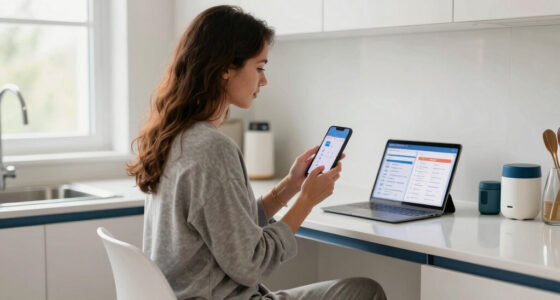
For example, someone training for a marathon might use a fitness band to track their runs and heart rate, while a busy parent might monitor sleep and stress levels with a connected app. They’re versatile tools for all kinds of lifestyles.
best personal wellness tracking device
As an affiliate, we earn on qualifying purchases.
As an affiliate, we earn on qualifying purchases.
The Top Types of Wellness Devices & Which One Fits You
Want a quick snapshot? Here are the main types:
| Device Type | Best For | Examples |
|---|---|---|
| Wearables | Activity, heart rate, sleep | Fitbit, Apple Watch, Garmin |
| Smart Scales | Body composition, weight trends | Withings Body+, Fitbit Aria |
| Sleep Trackers | Sleep quality, cycles | Oura Ring, Beddit |
| Home Sensors | Environmental health, stress | Connected air purifiers, mood sensors |
If you’re into running, a GPS-enabled smartwatch can motivate you with real-time stats. For better sleep, a dedicated sleep tracker offers deep insights into your nightly rest. Pick what aligns with your goals and daily routine.
For example, a busy executive might prefer a stylish smartwatch that doubles as a fashion accessory and health monitor, while a health-conscious parent might choose a connected scale to track family health trends.
wearable sleep tracker with biosensors
As an affiliate, we earn on qualifying purchases.
As an affiliate, we earn on qualifying purchases.
How Modern Devices Are Getting Smarter & More Precise
Today’s wellness devices are pushing boundaries. They incorporate advanced sensors like ECG for heart rhythm detection and SpO2 sensors to measure blood oxygen levels. Some even use biosensors for continuous glucose monitoring—originally for diabetics, now expanding into general wellness.
Imagine wearing a device that detects irregular heartbeats before you even feel symptoms. That’s the power of AI-driven insights, which analyze patterns and flag potential issues early. According to recent industry data, AI integration has increased data accuracy by over 20% compared to earlier models.
Plus, these devices aren’t just for tracking. They’re becoming holistic platforms—tracking mental health, stress, and mood, then suggesting activities like meditation or breathing exercises for balance. This evolution makes wellness a truly personalized journey.
smart fitness watch with heart rate monitor
As an affiliate, we earn on qualifying purchases.
As an affiliate, we earn on qualifying purchases.
What to Look for When Picking a Wellness Tracker
Choosing the right device isn’t just about features—it’s about fit. Think about your main goal: Do you want to improve sleep, track workouts, or manage stress? Prioritizing the right features ensures the device can effectively support your health journey.
For instance, a device with advanced sleep cycle detection can help you understand disruptions and improve rest quality, which impacts overall health and daytime productivity. Conversely, a GPS-enabled smartwatch with water resistance becomes essential if your goal is to enhance outdoor running or swimming routines. Balancing these tradeoffs—like battery life versus feature set—is crucial for sustained use and meaningful insights.
Additionally, consider how the device’s data privacy policies align with your comfort level. Some devices store sensitive health data in cloud servers, which could pose privacy concerns. Understanding these tradeoffs helps you make an informed choice that supports both your health and your privacy.
connected smart scale for body composition
As an affiliate, we earn on qualifying purchases.
As an affiliate, we earn on qualifying purchases.
The Future of Wellness Devices & What It Means for You
The future is bright—and busy. Expect even more personalized insights, with devices learning your habits and suggesting tweaks in real time. Imagine a tracker that notices your stress levels rising and automatically recommends a breathing exercise—without you lifting a finger.
Emerging tech like biosensors, better screen displays, and longer-lasting batteries will make these devices more integrated and less obtrusive. Wearables will become stylish accessories, blending seamlessly into your wardrobe.
And with the rise of telehealth, these gadgets are becoming gateways—connecting you directly with healthcare professionals for remote advice, making wellness more proactive than ever. This connectivity can provide immediate feedback, help catch issues early, and tailor health recommendations based on your real-world data.
For you, that means smarter, more reliable tools to help you stay balanced, active, and healthy—without the guesswork.
Frequently Asked Questions
How accurate are personal wellness tracking devices?
Most devices are reliable for activity and sleep tracking but can vary in precision, especially for vital signs like heart rate or blood oxygen. Higher-end models tend to be more accurate, but always consider them as tools for general insights, not medical diagnosis.
Can these devices replace medical devices or professional advice?
No. They’re great for monitoring trends and encouraging healthier habits but shouldn’t replace professional medical guidance. For any health concerns, consult your healthcare provider.
What features should I prioritize when choosing a device?
Focus on features that match your goals: sleep tracking, heart rate, activity, or mental health. Also, check compatibility with your smartphone, security measures, and comfort. That way, your device becomes a helpful, not burdensome, part of your routine.
Are wellness trackers suitable for all age groups?
Many are designed for adults, but some brands offer models for children or seniors, with features tailored for their needs—like larger screens, simplified interfaces, or emergency features. Always pick one suited to your or your loved one’s lifestyle.
How do I keep my health data private?
Choose reputable brands with transparent privacy policies. Regularly update your device firmware and review app permissions to control who sees your data. Protecting your information is just as important as tracking your health.
Conclusion
Your wellness device isn’t just a gadget—it’s a partner in your health journey. As they get smarter and more integrated, you’ll find it easier to stay motivated, informed, and balanced. The key is choosing the right tools and using them regularly.
Imagine a future where your device detects stress before you feel it and gently guides you back to calm. That’s the promise—and the opportunity—these tech advances bring to your daily life.