TL;DR

Get wellness gear delivered free with Prime
- Fast, free delivery on millions of items
- Prime Video, Amazon Music and more included
- Member-only deals all year
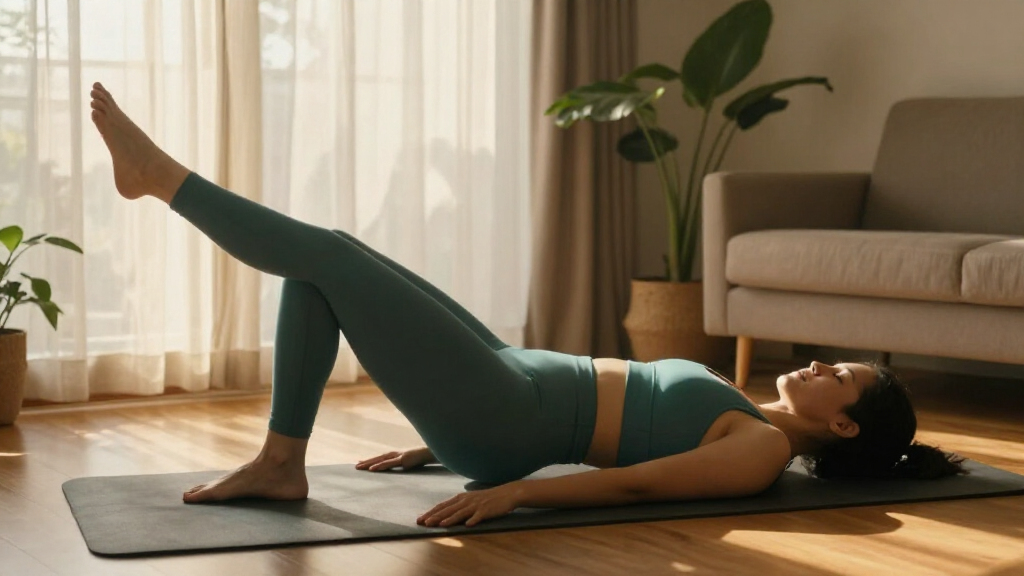
Fit&Well has published a five-move Pilates routine that works the legs without squats, using bodyweight exercises performed on hands and knees or in a kneeling side-plank position. Pilates instructor Lottie Anderson says the sequence targets the glutes and hamstrings; the report recommends two rounds of 8–12 repetitions per side for each move.
Fit&Well has published a five-move Pilates leg workout designed as a squat-free option for people who find squats uncomfortable or difficult. The at-home sequence, described by Pilates instructor Lottie Anderson, uses bodyweight movements on a mat and calls for two rounds of 8–12 repetitions on each side.
The routine includes horse kicks, rainbow kicks and hamstring extensions, followed by two kneeling side-lying leg exercises: lift-and-lowers and side kicks. Most movements begin on hands and knees, with the final two performed from a supported kneeling side-plank position. The sequence alternates leg movement with instructions to keep the torso or hips steady.
Fit&Well’s instructions set the same general volume for each exercise: two rounds of 8–12 repetitions per side. For the horse kick, a straight leg lifts behind the body to hip height. Rainbow kicks sweep the leg in an arc from side to side; hamstring extensions bend and straighten the knee while the thigh stays lifted, if possible. The side-position exercises involve lifting the leg or bending it toward the chest and extending it again.
Anderson uses ankle weights to make the moves harder, according to the report, but they are not required. The source presents the exercises as a way to train leg muscles without squatting; it does not provide research findings, measured results or evidence that the routine suits every person.
A Squat-Free Option for Leg Training
The routine offers a practical alternative for readers who want to work their lower body but cannot comfortably perform squats. Fit&Well notes that tight hamstrings, limited ankle mobility, balance difficulties or tender joints may make squatting harder for some people. The five movements keep the body close to the floor or supported on one hand and knee, rather than asking the exerciser to repeatedly lower and raise their full body.
Anderson argues that leg strength supports everyday tasks, including getting up and down, carrying a child and climbing stairs. She also points to the glutes’ role in pelvic stability and movement. Those are the instructor’s explanations in the report, not a promise that this particular sequence will prevent pain or improve function for every reader. Its clear rep scheme and lack of required equipment may make it easier for people to try a short home session, provided the positions are comfortable for them.
Products Worth Considering

BowFlex Results Series SelectTech Adjustable Dumbbells (Pair)

Bowflex SelectTech 840 Adjustable Kettlebell
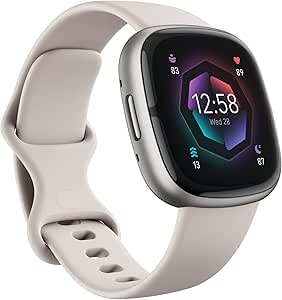
Fitbit Sense 2 Health and Fitness Smartwatch (Lunar White/Platinum)
As an affiliate, we earn on qualifying purchases.
How the Five Moves Are Set Up
The sequence progresses from basic quadruped movements to exercises that require a supported side position. For the first three moves, the instructions place the wrists under the shoulders and knees under the hips. Each leg works separately, with the repetitions completed on one side before switching. The stated cues include keeping the hips stable during the rainbow kick and maintaining the thigh’s lift during the hamstring extension.
For the last two exercises, the participant rotates into a kneeling side plank, supporting the body with one hand and the knee on the mat. One movement lifts and lowers the extended leg; the other bends the knee toward the chest before extending it. The report says to keep the waist lifted and hips facing forward. These are the source’s exercise directions; it does not include video demonstrations or modifications for people who find kneeling or wrist pressure uncomfortable.
Anderson is identified in the report as a Pilates instructor and founder of Bondi Rise, a London Pilates studio. Fit&Well frames the routine as a way to strengthen the legs without using squats, rather than as a complete training plan. It gives no weekly schedule, progression plan or recommendation about how often to repeat the workout.
“Your legs carry you through everything.”
— Lottie Anderson, Pilates instructor and Bondi Rise founder, as quoted by Fit&Well
Who Should Modify the Sequence
The report does not establish that the routine is appropriate for everyone who struggles with squats. It provides no clinical assessment, injury-specific adaptations or guidance for readers with existing joint, back or mobility conditions. The final two movements put weight through a hand and knee, while the first three also require kneeling and wrist support, so those positions may not be comfortable for every person.
Fit&Well does not report a trial comparing this workout with squats or other leg routines, nor does it quantify changes in strength, balance or pain. The two rounds of 8–12 reps per side are the workout’s prescribed volume, not a claim of a guaranteed outcome. The supplied source also gives no publication date, so the timing beyond its publication in Fit&Well is unclear.
Try the Moves at Your Own Pace
The report presents the sequence as a home workout, with ankle weights optional rather than necessary. Readers following it can use the listed order and repetitions, switching sides after each set of unilateral movements. The source does not specify rest periods or a schedule for repeating the routine, so those details should not be treated as part of its instructions.
Anyone with an existing injury, persistent discomfort or a condition that affects exercise may want to ask a qualified health professional or Pilates instructor about suitable modifications before trying the positions. Stop if a movement causes pain or feels unstable. No further study, expert response or follow-up outcome is included in the supplied report.
Key Questions
What are the five exercises in the workout?
The routine includes horse kicks, rainbow kicks, hamstring extensions, kneeling lift-and-lowers and kneeling side kicks. The first three begin on hands and knees; the last two use a supported kneeling side-plank position.
How many repetitions should I do?
Fit&Well lists two rounds of 8–12 repetitions per side for each exercise. The report does not specify rest periods or how often to repeat the session.
Do I need ankle weights?
No. Anderson uses ankle weights to increase the challenge, but Fit&Well says the exercises can be done without added resistance.
Is this workout suitable for people with knee or wrist pain?
The report does not give injury-specific guidance or confirm that the routine is suitable for people with pain. Several movements involve kneeling or supporting the body through a hand, so people with existing symptoms should seek qualified guidance and avoid movements that cause discomfort.
Source: fitandwell.com