TL;DR

Get wellness gear delivered free with Prime
- Fast, free delivery on millions of items
- Prime Video, Amazon Music and more included
- Member-only deals all year
A Fit&Well report relays cardiologist Roy Jogiya’s advice that women should not assume new chest discomfort, unusual breathlessness or persistent palpitations are simply menopause symptoms. The report says menopause-related changes may affect cardiovascular risk, but it does not establish that any particular symptom is caused by menopause or heart disease; urgent symptoms require emergency care.
A Fit&Well report has highlighted three symptoms women should not automatically attribute to menopause: new chest discomfort, breathlessness during familiar activities, and persistent or irregular heartbeats. Cardiologist Dr Roy Jogiya, chief medical advisor at Heart Research UK, says the symptoms can warrant assessment because menopause and aging may coincide with changes in cardiovascular risk, while some warning signs can require emergency care.
Jogiya says falling estrogen levels during menopause can be associated with changes in blood vessels and cholesterol, alongside possible increases in LDL cholesterol and blood pressure, abdominal fat and insulin resistance. He cautions that these changes occur gradually and that aging also contributes. The report does not claim menopause itself explains a particular person’s symptoms or confirms a heart condition.
The first symptom to watch is new chest pressure or discomfort, which may feel like indigestion rather than the dramatic pain often associated with a heart attack. Jogiya also names breathlessness during ordinary tasks or exercise that a person previously managed comfortably. A third concern is a racing or irregular heartbeat that persists, particularly when accompanied by chest pain, shortness of breath, dizziness or faintness.
Jogiya says palpitations can also occur with hormonal fluctuations, disrupted sleep, anxiety and hot flashes, and are often harmless. That possibility does not rule out a heart rhythm issue. The report says a clinician may investigate with an electrocardiogram or portable heart monitor. It advises calling emergency services for suspected heart attack symptoms, palpitations with chest pain, breathlessness or fainting, severe breathlessness, collapse or signs of stroke. New or recurring palpitations, reduced exercise tolerance, recurring dizziness or unexplained breathlessness should be discussed with a doctor.
Menopause Can Prompt Heart Checks
The advice matters because symptoms such as palpitations, fatigue or breathlessness may be attributed to menopause or disrupted sleep, potentially delaying assessment. The report’s central point is not that these symptoms prove heart disease, but that new, persistent or worsening symptoms deserve attention rather than an assumption about their cause.
Jogiya identifies hypertension, diabetes, high cholesterol, smoking, obesity and a strong family history of premature heart disease as risk factors. He also flags premature menopause and some pregnancy complications, including pre-eclampsia, gestational diabetes and pregnancy-related hypertension, as cardiovascular risk markers that may be overlooked. These factors can inform a conversation with a health professional; the source does not provide individual risk estimates.
Products Worth Considering

Withings BPM Connect Wi-Fi and Bluetooth Blood Pressure Monitor
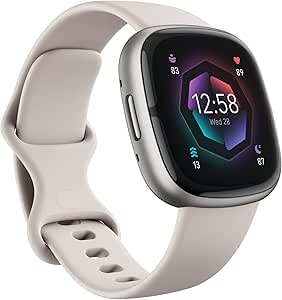
Fitbit Sense 2 Health and Fitness Smartwatch (Lunar White/Platinum)

LEVOIT Vital 200S-P Smart Air Purifier for Large Rooms
As an affiliate, we earn on qualifying purchases.
The Cardiologist’s Prevention Advice
Alongside symptom awareness, Jogiya recommends 150 minutes of moderate exercise each week, plus strength training. He also advises a heart-healthy eating pattern that includes vegetables, wholegrains, nuts and olive oil, while reducing saturated fat and salt. These are general prevention suggestions in the report, not treatment for symptoms or a substitute for clinical advice.
He also recommends having blood pressure, cholesterol and blood sugar checked so potential problems can be identified and treated early. The report frames menopause as a point at which women can review cardiovascular health, while noting that age and other risk factors matter too. It provides no study data or clinical guidelines of its own; the symptom guidance is attributed to Jogiya.
“Menopause isn’t just a reproductive milestone; it’s a cardiovascular one, too.”
— Dr Roy Jogiya, chief medical advisor at Heart Research UK, quoted by Fit&Well
Symptoms Need Individual Assessment
The report does not establish how often these symptoms signal cardiovascular disease, nor does it provide research findings or a method for distinguishing hormonal symptoms from a heart condition without medical assessment. Palpitations can be harmless, according to Jogiya, but persistence or accompanying symptoms may change the level of concern. The cause of any individual episode cannot be determined from the article alone.
The source also gives no publication date, details about the interview’s clinical evidence, or individualized advice for readers with existing conditions. Local emergency numbers differ: the article references 911 in the United States and 999 in the United Kingdom. Readers should use the appropriate emergency service where they are, rather than wait for symptoms to become severe.
When to Seek Medical Care
Anyone who thinks they may be having a heart attack should call emergency services immediately, even if uncertain. The report also advises emergency help for palpitations accompanied by chest pain, breathlessness or fainting, and for severe breathlessness, collapse or possible stroke signs.
For symptoms that are new or recurring but not an immediate emergency, arrange a medical assessment, particularly for unexplained breathlessness, reduced exercise tolerance, recurring dizziness or persistent palpitations. A clinician can decide whether tests such as an electrocardiogram or portable monitor are appropriate. The report offers no further scheduled update or follow-up milestone.
Key Questions
Which three symptoms does the report say not to dismiss?
It highlights new chest discomfort, breathlessness during familiar activities or exercise, and persistent or irregular palpitations. These symptoms do not by themselves confirm heart disease.
When should someone call emergency services?
Call for suspected heart attack symptoms, including new chest pressure or discomfort—especially with sweating, nausea or breathlessness. The report also advises emergency care for palpitations with chest pain, shortness of breath or fainting, as well as severe breathlessness, collapse or signs of stroke.
Are palpitations during menopause always a sign of heart disease?
No. Jogiya says palpitations are common during menopause and often harmless, and may be associated with hormonal fluctuations, poor sleep, anxiety or hot flashes. Persistent or irregular palpitations, especially with other warning symptoms, warrant assessment.
What checks and habits does the cardiologist recommend?
Jogiya recommends checking blood pressure, cholesterol and blood sugar, alongside regular moderate exercise, strength training and a heart-healthy diet. These general measures do not replace prompt care for concerning symptoms.
Source: fitandwell.com