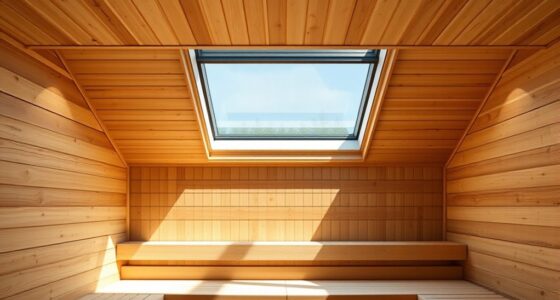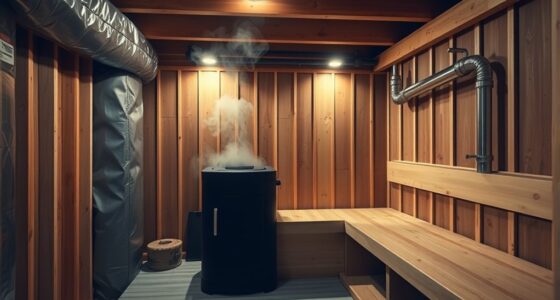

When planning your DIY sauna budget, start by listing all essential materials like insulation, framing, and heating units, then research their costs to set realistic prices. Prioritize safety features such as ventilation and durable materials that keep long-term expenses low. Shop smart with bulk deals and consider quality over price to ensure longevity. You’ll find valuable tips to balance quality and costs, helping you create a functional sauna within your budget—continue to build confidence in your project.

Get wellness gear delivered free — and shop member deals
- Fast, free delivery on millions of items
- Access to Prime Big Deal Days deals on October 6–7
- Prime Video, Amazon Music and more included
Key Takeaways
- Break down all expenses, including materials, tools, and installation costs, to create a comprehensive budget.
- Prioritize safety-critical components like heating and ventilation before aesthetic features.
- Research and compare prices for materials such as insulation, framing, and finishing to find cost-effective options.
- Choose durable, moisture-resistant materials to ensure long-term savings and reduce future maintenance costs.
- Incorporate additional costs like wiring, fasteners, and sealants, and plan for potential unforeseen expenses.
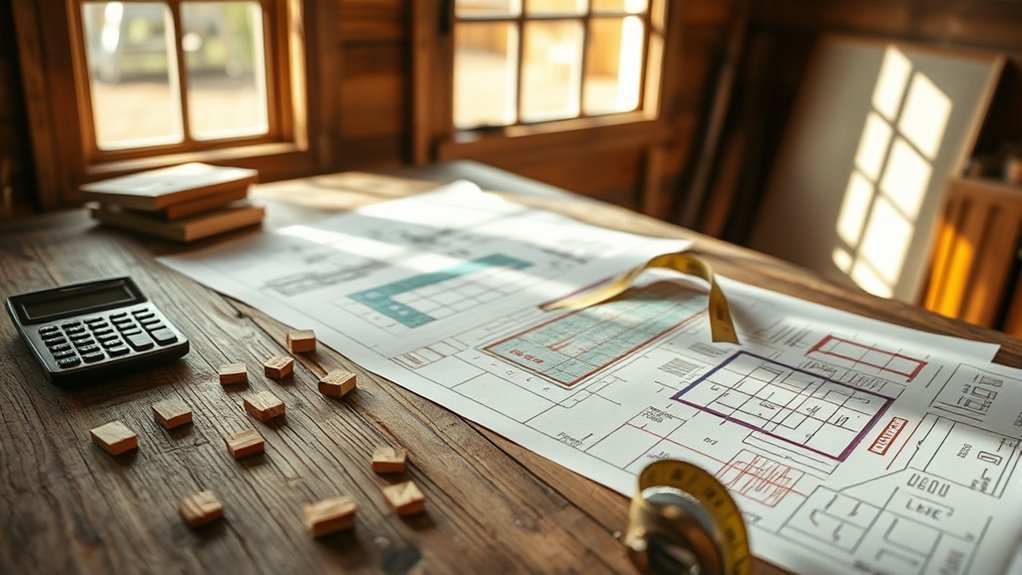
Creating a DIY sauna can be a rewarding project, but it requires careful budget planning to guarantee you stay on track. The first step is understanding how to approach cost estimation, which involves breaking down all expenses you’ll encounter from start to finish. To do this effectively, you need to assess every component, including insulation, framing, heating units, benches, lighting, and ventilation. Taking the time to research prices for these items helps you create a realistic budget and avoid surprises down the line. Remember, prices can vary considerably based on quality and brand, so balancing cost and durability is essential. When estimating costs, don’t forget to include tools or additional supplies you might need, like wiring, fasteners, or sealants, which can add to your overall expenditure.
Material selection plays a pivotal role in your budget planning because it directly influences your expenses. For instance, opting for high-quality cedar or other hardwoods can be more costly upfront but offers better longevity and a premium feel. Conversely, using less expensive materials like pine might save money initially but could require more maintenance or replacement over time. Think about your priorities: if you want a long-lasting, low-maintenance sauna, investing in better materials makes sense. If you’re working with a tight budget, you might compromise on some features but still aim for durability in critical areas like the interior walls and seating. When choosing your materials, consider their thermal insulation properties, ease of installation, and resistance to moisture, as these factors impact both your comfort and your long-term costs. Additionally, understanding the signs of spoilage in materials like wood or other components can help you avoid purchasing items that might deteriorate quickly, saving money in the long run.
Balancing your material choices with your budget requires strategic planning. Prioritize essential components that affect safety and functionality, such as the heating system and proper ventilation, before splurging on aesthetic features. Also, shop around for suppliers and compare prices, looking for discounts or bulk deals on materials. Keep in mind that some materials might be easier to work with if you’re doing the project yourself, which can save you money on labor. By carefully estimating costs and making informed decisions about material selection, you ensure your project remains financially feasible without sacrificing quality. This disciplined approach not only keeps your spending in check but also guarantees you’ll have a functional, enjoyable sauna you can be proud of.
As an affiliate, we earn on qualifying purchases.
Frequently Asked Questions
What Permits Are Required for Building a DIY Sauna?
You’ll need to check your local building codes and zoning laws before building your DIY sauna. Most areas require permits to make sure your project meets safety standards and doesn’t violate zoning restrictions. Contact your city or county building department to find out specific permit requirements. Obtaining these permits helps you avoid fines or having to dismantle your sauna later, ensuring your project complies with all regulations.
How Can I Estimate Ongoing Maintenance Costs?
To estimate ongoing maintenance costs, start with a thorough cost analysis of regular upkeep. Create a maintenance schedule that includes cleaning, inspecting the heater, replacing worn parts, and checking for moisture issues. Budget for these routine tasks, and consider unexpected repairs. Tracking expenses over time helps refine your estimates, ensuring you’re prepared financially for consistent upkeep, and keeps your sauna safe and functioning well.
What Safety Features Should I Include in My Sauna?
Think of your sauna as a sanctuary—you wouldn’t want it to turn into a danger zone. You should include safety features like a reliable temperature limiter, adjustable humidity controls, and a clear emergency shut-off switch. These elements help prevent overheating and control humidity, ensuring a safe environment. Don’t forget proper ventilation and sturdy, non-slip flooring. With these safety features, you create a relaxing space that’s both enjoyable and secure.
Are There Eco-Friendly or Energy-Efficient Options to Consider?
Yes, you can make your DIY sauna more eco-friendly by installing solar panels to power it and using energy-efficient insulation to reduce heat loss. These options help lower your energy costs and environmental impact. Opt for sustainable materials and consider energy-efficient lighting and control systems to maximize efficiency. Incorporating these features not only benefits the environment but also saves you money in the long run.
How Do I Budget for Unexpected Expenses or Delays?
To handle unexpected expenses or delays, you should include contingency planning in your budget. Allocate about 10-20% of your total budget as a buffer for cost escalation or unforeseen costs. Regularly review your expenses and stay flexible, so you can adjust your plans if needed. This proactive approach helps you stay on track and ensures your DIY sauna project remains financially manageable despite surprises.
As an affiliate, we earn on qualifying purchases.
Conclusion
With your budget in hand, you’re carving out the blueprint of your dream sauna, turning a simple idea into a warm, inviting sanctuary. Think of your finances as the guiding stars, leading you through the dark woods of choices and challenges. Stay flexible and proactive, and soon you’ll have a cozy retreat that warms your body and soul, proof that with careful planning, even the wildest dreams can bloom into a radiant reality.
moisture resistant wood for sauna
As an affiliate, we earn on qualifying purchases.
As an affiliate, we earn on qualifying purchases.
As an affiliate, we earn on qualifying purchases.
Fall Picks
fall essentials
As an affiliate, we earn on qualifying purchases.