When installing a wood-burning stove, guarantee proper ventilation by selecting a suitable flue pipe that directs smoke and gases outside efficiently. Keep the flue system short, direct, and free of bends to prevent creosote buildup and improve airflow. Regular maintenance and adherence to safety regulations, including proper lining and clearance, are key for safe, efficient operation. For detailed tips on choosing the right materials and installation techniques, you’ll find useful information as you continue to explore this topic.
Play games included with Prime
Start a Prime free trial and play with Amazon Luna on your devices.
As an affiliate, we earn on qualifying purchases.
Key Takeaways
- Ensure proper ventilation directs smoke and gases outside and select the correct flue pipe for optimal airflow.
- Choose heat-resistant, compliant flue materials and seal connections properly to prevent leaks and hazards.
- Install a chimney that extends above the roofline to avoid downdrafts and improve draft efficiency.
- Regularly inspect and clean the chimney to remove creosote buildup and prevent chimney fires.
- Follow local safety regulations for clearances, materials, and installation techniques to ensure safety and compliance.
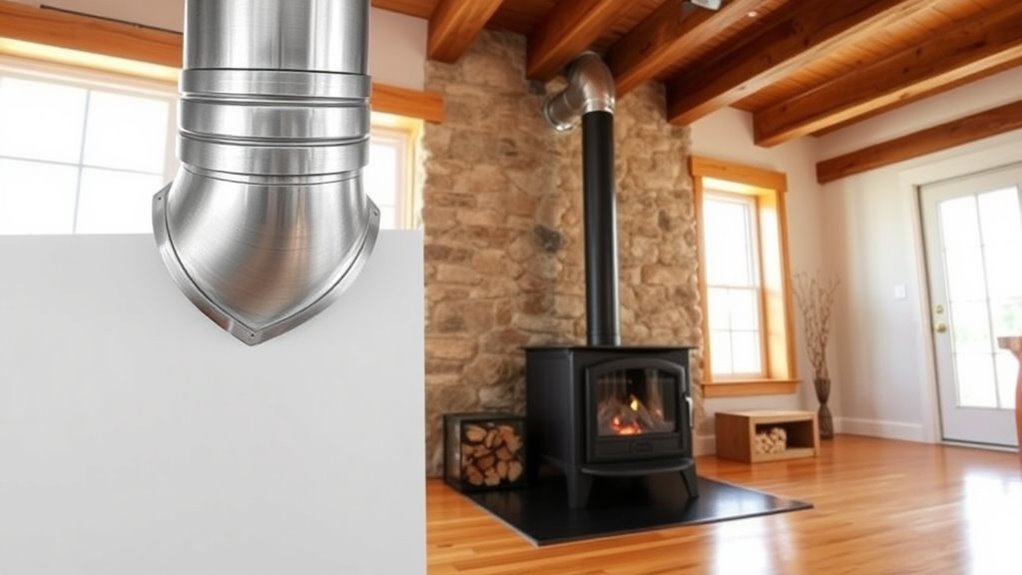
Installing a wood-burning stove can be a great way to efficiently heat your home and add a cozy touch to your living space. But before you get started, it’s essential to pay close attention to ventilation and flue considerations, which are crucial for both safety and performance. Proper ventilation ensures that smoke, gases, and excess heat are directed safely outside, preventing dangerous buildup inside your home. To achieve this, you need to select the right type of flue pipe and ensure it’s correctly installed, connecting your stove to the chimney in a way that promotes smooth airflow and minimizes blockages.
Chimney maintenance plays a vital role in keeping your stove operating safely and efficiently. Regular inspections and cleaning are necessary to remove creosote buildup, which can become a fire hazard if neglected. When installing your stove, make sure the chimney is properly lined and compliant with local safety regulations. Adhering to safety regulations isn’t just about legality; it’s about ensuring your home is protected from potential hazards like carbon monoxide leaks or chimney fires. These regulations specify the minimum clearances, materials, and installation techniques needed to keep your setup safe and functional. Additionally, using appropriate chimney materials helps prevent corrosion and heat damage, further extending the lifespan of your system.
A well-maintained chimney and correctly installed flue system help maximize the stove’s efficiency. If your chimney isn’t properly maintained, creosote and soot can accumulate, restricting airflow and increasing the risk of dangerous fumes seeping into your living space. Regular chimney inspections and cleaning, especially after the first few burns, will help you identify any issues early. Additionally, following safety regulations during installation means choosing the right materials, such as heat-resistant flue pipes and proper sealing techniques, to prevent leaks and ensure durability.
It’s also important to consider the placement of your stove and chimney. You want a setup that allows for the shortest, most direct route to the outside while avoiding elbows or bends that can trap creosote or restrict airflow. The chimney should extend above the roofline to prevent downdrafts, which can push smoke back into your home. Remember, installing a stove isn’t just about aesthetics; it’s about creating a safe, efficient heating system that complies with all safety standards. When in doubt, consulting professionals for installation and chimney maintenance will ensure your stove performs well and keeps your household safe for years to come.
As an affiliate, we earn on qualifying purchases.
Frequently Asked Questions
What Are the Latest Safety Standards for Wood Stove Installation?
You need to follow the latest safety standards, which include maintaining proper chimney height and clearances around your fireplace. Confirm your chimney extends at least 3 feet above the roof and is taller than nearby structures to prevent smoke spillage. Keep adequate fireplace clearance as specified by local codes, typically 36 inches, to reduce fire risks. Regular inspections and proper ventilation are essential to keep your installation safe and compliant.
How Do I Choose the Best Venting Materials?
You should choose ventilation materials that are durable, heat-resistant, and suitable for high temperatures. Look for materials like stainless steel or double-walled insulated pipes, which prevent corrosion and withstand the heat generated by your stove. Confirm the materials meet safety standards and are compatible with your stove’s venting system. Prioritize quality and durability to ensure long-lasting, safe ventilation, reducing the risk of leaks or fire hazards.
Can I Install a Stove Without Professional Help?
You can attempt a DIY installation, but it’s risky without professional help due to safety and code compliance. It may save on initial costs, but improper venting or flue setup can lead to fire hazards or carbon monoxide leaks. Consider your skills carefully, and remember that hiring a professional guarantees safety, proper ventilation, and long-term efficiency. Sometimes, the cost considerations of a DIY project outweigh the potential safety risks.
What Are Common Causes of Ventilation Issues?
Think of your stove’s ventilation like a well-orchestrated symphony. Common causes of issues include ventilation blockages, which clog the airflow like a sudden silence, and improper flue height, disrupting the natural draft like a discordant note. These problems can lead to smoke backup and inefficient burning. Ensuring clear vents and correct flue height keeps the performance smooth, letting your stove operate safely and effectively.
How Often Should I Inspect and Clean the Flue?
You should inspect and clean your flue at least once a year to guarantee safe chimney maintenance. Regular flue inspection helps identify creosote buildup and blockages that could cause dangerous chimney fires or ventilation issues. If you burn wood frequently or notice smoke backing up, consider more frequent inspections. Proper chimney maintenance keeps your stove operating efficiently and keeps your home safe from potential hazards.
As an affiliate, we earn on qualifying purchases.
Conclusion
By paying close attention to proper ventilation and flue setup, you’ll create a cozy, welcoming space that warms both you and your home. When you guarantee everything is thoughtfully installed, the comfort you enjoy is like a gentle hug—safe, snug, and inviting. So, take your time, follow the guidelines, and let your new stove become a cherished part of your home’s story, bringing warmth and happiness for years to come.
As an affiliate, we earn on qualifying purchases.
As an affiliate, we earn on qualifying purchases.
Fall yard work Picks
leaf blowers
As an affiliate, we earn on qualifying purchases.