
To size your sauna heater properly, start by measuring the entire room, including alcoves and irregular spaces, then multiply length, width, and height for volume. Consider insulation and ventilation, as they impact heat retention and safety. Choosing the right wattage depends on these factors, ensuring efficient heating without wasting energy. Keep in mind that good insulation and proper airflow make a big difference, so explore these details further to optimize your sauna setup.
Key Takeaways
- Measure all sauna dimensions accurately, including irregular spaces and alcoves, for precise volume calculation.
- Use sauna volume to select a heater wattage that ensures efficient heating without oversizing.
- Improve insulation and ventilation to optimize heat retention and ensure safe, even temperature distribution.
- Follow safety standards for electrical wiring, vent placement, and heater installation to prevent hazards.
- Regularly inspect insulation and ventilation systems to maintain efficiency, safety, and consistent sauna performance.
As an affiliate, we earn on qualifying purchases.
Calculating Your Sauna Room Volume

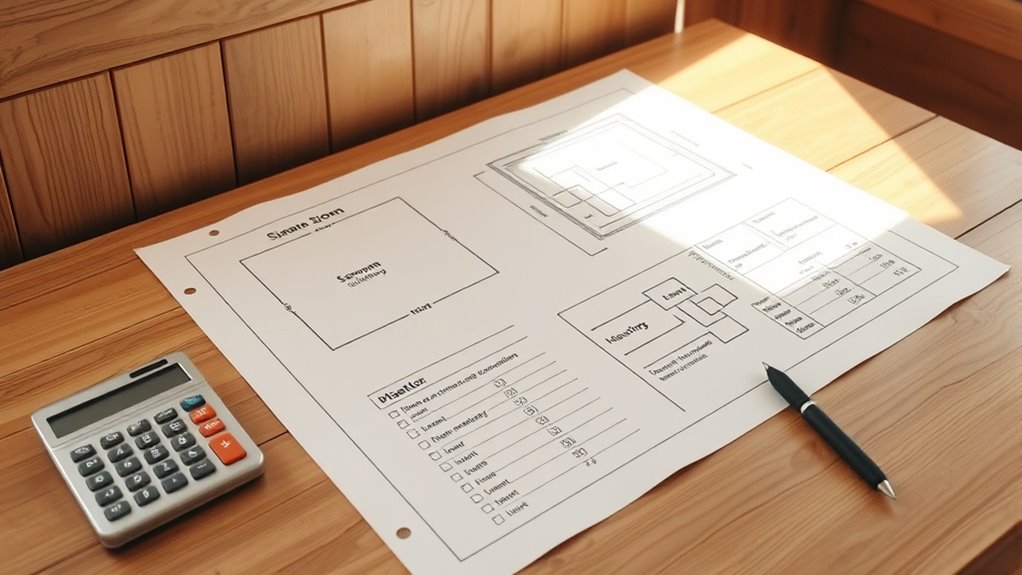
To determine the right heater size for your sauna, you first need to accurately calculate the room’s volume. Measure the length, width, and height of your sauna, then multiply these dimensions to find the cubic footage. Keep in mind that wood paneling can affect heat retention, so consider its thickness and placement when planning your design. Proper ventilation design is also essential; it ensures the air circulates efficiently, maintaining consistent heat and preventing moisture buildup. When measuring, be precise and include any alcoves or irregular spaces. Knowing your sauna’s volume helps in choosing a heater that matches the space without over- or under-heating. This foundational step guarantees your sauna stays comfortable, efficient, and safe. Understanding sauna insulation can further optimize heat retention and energy efficiency.
As an affiliate, we earn on qualifying purchases.
Determining the Right Heater Capacity

Once you’ve calculated your sauna’s volume, selecting the right heater capacity becomes vital for ideal performance. You need to take into account ventilation requirements, as proper airflow influences heater efficiency and safety. Inadequate ventilation can lead to overheating or uneven heating, so verify your sauna design allows for proper air exchange. Additionally, material insulation plays a fundamental role. Well-insulated walls, ceiling, and floors reduce heat loss, meaning a smaller or less powerful heater might suffice. Conversely, poor insulation demands a more powerful heater to maintain consistent temperatures. Proper sauna design ensures your heater is appropriately matched to your space. Combining these factors helps you determine the appropriate heater capacity—aiming for a balance that provides comfortable heat without wasting energy or risking safety. Proper sizing ensures your sauna heats quickly, stays consistent, and operates efficiently.
As an affiliate, we earn on qualifying purchases.
Key Factors Influencing Heater Selection
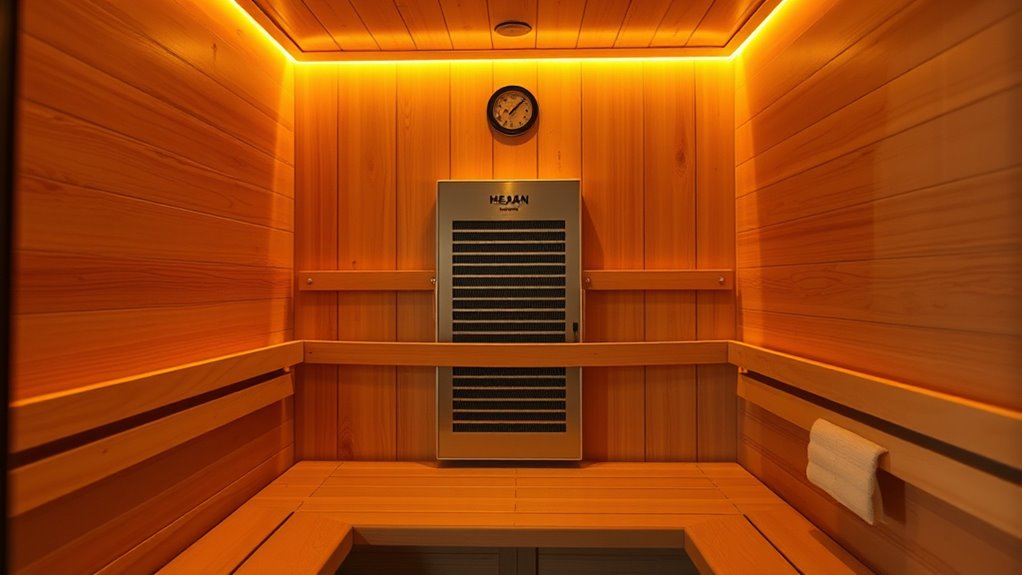
Selecting the right heater for your sauna depends on several key factors that directly impact its performance and safety. Insulation quality is essential—better insulation retains heat, allowing a smaller heater to maintain the desired temperature efficiently. Conversely, poor insulation means you might need a more powerful heater. Ventilation efficiency also plays a critical role; good airflow prevents overheating and ensures even heat distribution. If your sauna has poor ventilation, you might need a heater with adjustable settings or a different placement. Additionally, the heater’s wattage and type should match your sauna’s volume and insulation levels. Proper air circulation can improve overall heating performance and safety. By considering insulation quality and ventilation efficiency, you can choose a heater that performs reliably while maintaining energy efficiency and safety.
As an affiliate, we earn on qualifying purchases.
Practical Tips for Safe and Efficient Sauna Setup
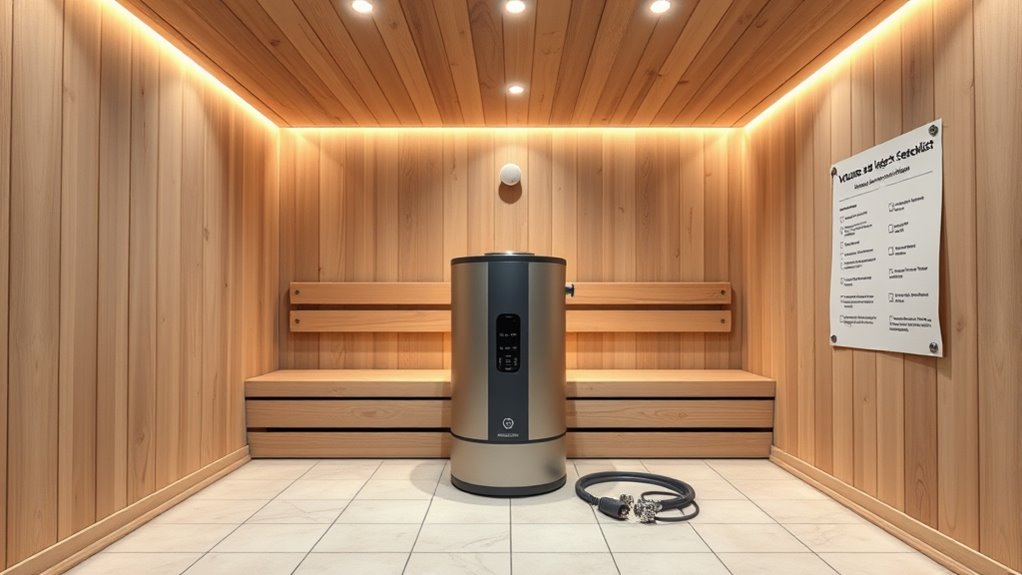
Ensuring your sauna is set up safely and efficiently requires careful attention to details that might otherwise be overlooked. First, follow proper ventilation standards to prevent overheating and ensure fresh air circulation. Install vents correctly and consider adding an exhaust fan if needed. Next, choose high-quality insulation materials to maintain heat and improve energy efficiency. Proper insulation reduces heat loss and keeps your sauna comfortable longer. Make sure the walls, ceiling, and door are well-insulated, and avoid gaps or drafts. Additionally, ensure electrical wiring and heater placement meet safety codes. Regularly inspect ventilation and insulation to catch issues early. By paying close attention to ventilation standards and insulation materials, you’ll create a safe, energy-efficient sauna that delivers consistent, enjoyable results. Proper insulation can significantly influence the overall energy efficiency and comfort of your sauna.
Frequently Asked Questions
Can I Install a Larger Heater Than Recommended?
Yes, you can install a larger heater than recommended, but you must check heater compatibility and follow installation guidelines carefully. A bigger heater may heat your sauna faster or reach higher temperatures, but it could also cause safety issues or uneven heating if not properly installed. Always consult manufacturer instructions and consider professional installation to guarantee safety, efficiency, and compliance with local building codes.
How Often Should I Service My Sauna Heater?
You should service your sauna heater at least once a year to guarantee optimal performance and extend its lifespan. Regular maintenance tips include cleaning the heating elements, checking electrical connections, and inspecting for rust or damage. By staying on top of these tasks, you help prevent costly repairs and keep your heater running efficiently. Proper care not only enhances safety but also maximizes the heater’s lifespan, ensuring you enjoy consistent, reliable heat.
Are There Specific Safety Features to Consider?
Imagine relaxing in your sauna, feeling safe and secure—that’s why you need safety features like safety sensors and an emergency shutoff. Safety sensors detect overheating or malfunctions, preventing accidents, while the emergency shutoff gives you control during emergencies. These features protect you from burns or fires, ensuring peace of mind. Prioritize a heater with these safety mechanisms, so your sauna experience remains both enjoyable and safe.
Can I Customize Heater Settings for Different Users?
Yes, you can customize heater settings for different users. Many modern sauna heaters offer adjustable controls, allowing you to set temperatures based on individual preferences. You can save these settings, so each user gets their ideal experience effortlessly. This heater customization enhances comfort and safety, ensuring everyone enjoys the sauna at their preferred warmth level without compromising performance or energy efficiency.
What Are the Energy Consumption Differences Between Heater Sizes?
Choosing a heater with the right capacity impacts your energy efficiency greatly. A larger heater consumes more energy, leading to higher costs, while a smaller one may struggle to heat the room effectively. Opting for a heater with appropriate capacity guarantees ideal energy use and consistent sauna temperature. Proper sizing prevents waste, saves money, and enhances your sauna experience by maintaining the right heat without unnecessary energy consumption.
Conclusion
Now that you’ve mapped out your sauna’s size and chosen the perfect heater, picture stepping into your cozy oasis. The warm air wraps around you like a comforting blanket, radiating just the right heat. With your careful planning, every session becomes a peaceful retreat—your personal sanctuary of relaxation. Trust your calculations and enjoy the soothing steam, knowing your sauna is perfectly tuned for comfort and safe, blissful escapes whenever you need them.