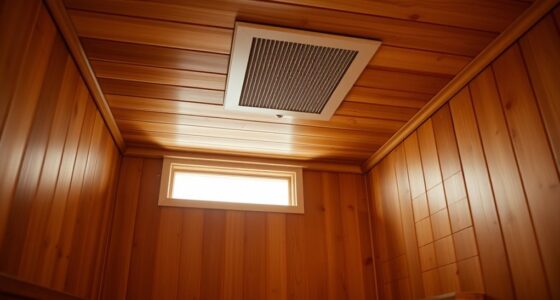
Proper ventilation plays a crucial role in preventing dangerous carbon monoxide buildup indoors by ensuring a steady flow of fresh outdoor air and expelling pollutants. It helps dilute and remove CO from enclosed spaces, especially when using fuel-burning appliances. Regularly maintaining and properly operating your ventilation systems keeps air quality safe and reduces health risks. To learn how to optimize your home’s ventilation for safety, keep exploring for detailed tips and strategies.

Get wellness gear delivered free with Prime
- Fast, free delivery on millions of items
- Prime Video, Amazon Music and more included
- Member-only deals all year
Key Takeaways
- Proper ventilation continuously exchanges indoor air with outdoor air, diluting and removing CO buildup.
- Ventilation systems help prevent the accumulation of dangerous gases from fuel-burning appliances.
- Regular maintenance of vents and exhausts ensures effective removal of CO and other pollutants.
- Installing carbon monoxide detectors complements ventilation by providing early warning of CO presence.
- Adequate airflow reduces indoor pollutant concentrations, minimizing health risks associated with CO exposure.
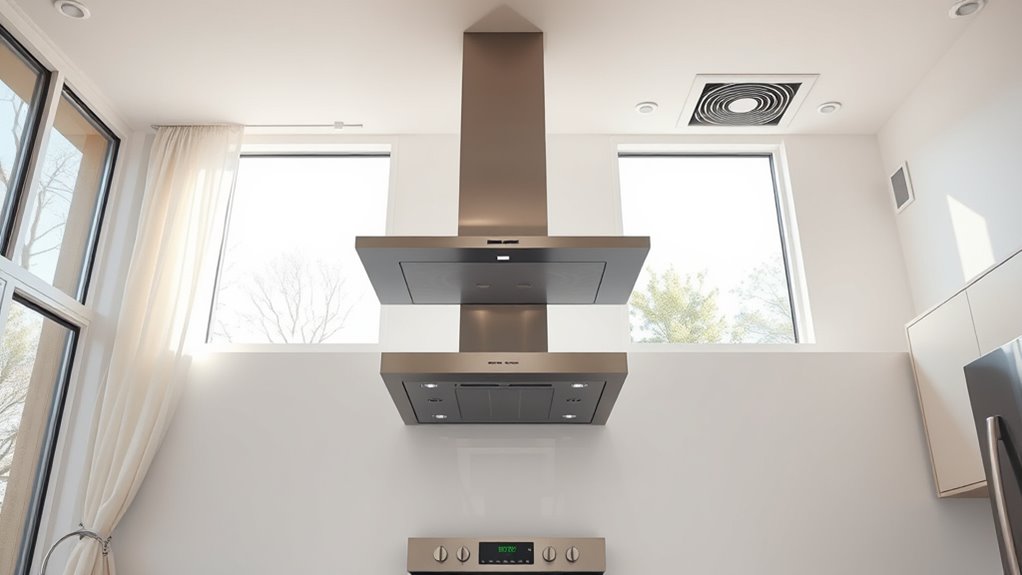
Proper ventilation is essential for preventing the buildup of carbon monoxide (CO), a dangerous and potentially deadly gas. When CO accumulates indoors, it can quickly reach hazardous levels, especially in enclosed spaces where fresh air isn’t circulating effectively. That’s why maintaining good indoor air quality is crucial to keeping you and your loved ones safe. Ventilation systems play a vital role in this process by continuously exchanging indoor air with fresh outdoor air, diluting any CO present, and removing pollutants that could compromise your safety.
Proper ventilation prevents dangerous CO buildup and keeps indoor air safe.
You might not realize it, but the quality of indoor air directly impacts your health and safety. Poor indoor air quality often results from inadequate ventilation, trapping not only CO but also other harmful pollutants like volatile organic compounds (VOCs), dust, and allergens. Over time, these contaminants can cause respiratory issues, allergies, and other health problems. By improving your ventilation systems, you ensure a steady flow of fresh air, reducing the concentration of indoor pollutants and markedly lowering the risk of carbon monoxide poisoning.
Modern ventilation systems are designed to be efficient and effective, whether they’re simple exhaust fans, whole-house ventilation units, or advanced mechanical systems with air filtration. Properly maintained, these systems help to prevent CO buildup by expelling stale air and bringing in oxygen-rich outdoor air. For homes with fuel-burning appliances, such as furnaces, water heaters, or fireplaces, installing certified ventilation systems is especially critical. These appliances produce CO as a byproduct, and without proper ventilation, the gas can accumulate rapidly. Regular inspections and maintenance of these systems guarantee they operate correctly, preventing leaks and ensuring that CO levels stay safe. Additionally, integrating whole-house filtration systems can help improve indoor air quality by reducing other airborne pollutants alongside CO.
Beyond installing ventilation systems, you should also pay attention to how you operate your household appliances. Never block vents or exhaust fans, and make sure that flues and chimneys are clear of obstructions. Proper ventilation isn’t just about installing equipment; it’s about creating a continuous flow that keeps indoor air fresh and free from dangerous gases. Using carbon monoxide detectors in key areas adds an extra layer of security by alerting you if CO levels rise unexpectedly.
carbon monoxide detector with digital display
As an affiliate, we earn on qualifying purchases.
As an affiliate, we earn on qualifying purchases.
Frequently Asked Questions
How Often Should Ventilation Systems Be Inspected for Safety?
You should inspect your ventilation system at least once a year to guarantee safety. Follow a regular maintenance schedule, including cleaning and checking for blockages or damage. If you use gas appliances or live in an area with poor air quality, consider more frequent inspections. Staying proactive helps prevent carbon monoxide buildup, keeping your home safe. Always hire a professional for thorough inspections and maintenance to assure peak performance.
Can Natural Ventilation Fully Prevent Carbon Monoxide Buildup?
Think of natural airflow as a gentle breeze trying to clear away dangerous gases. While it helps, it can’t fully prevent carbon monoxide buildup because of ventilation limitations like inconsistent airflow and obstacles. Relying solely on natural ventilation is risky, especially in enclosed spaces. To stay safe, always use mechanical ventilation systems alongside natural ones, ensuring proper airflow and reducing the risk of dangerous CO concentrations.
What Are the Signs of Carbon Monoxide Poisoning Related to Poor Ventilation?
If poor ventilation causes carbon monoxide buildup, you might notice symptoms like headache, dizziness, weakness, nausea, or confusion. Recognizing these signs early is essential for symptom recognition. If you experience any of these, act swiftly by evacuating the area and seeking emergency response. Proper ventilation helps prevent these dangerous symptoms, but always prioritize safety and don’t ignore warning signs of carbon monoxide poisoning.
How Does Ventilation Impact the Efficiency of Gas Appliances?
Proper ventilation boosts airflow enhancement around your gas appliances, which directly improves their efficiency. When you guarantee good ventilation, you prevent the buildup of combustion gases, allowing appliances to operate smoothly and burn fuel more completely. This reduces the risk of carbon monoxide accumulation and maximizes energy use. By maintaining ideal airflow, you help your appliances function at their best, saving you money and keeping your home safer.
Are There Specific Ventilation Guidelines for Different Building Types?
Yes, building codes and ventilation standards vary by building type. For example, residential buildings typically require specific exhaust venting and airflow rates, while commercial structures have more extensive ventilation systems. You should follow local regulations to guarantee proper airflow, prevent carbon monoxide buildup, and maintain safety. Always check the applicable codes for your building type to confirm compliance and effective ventilation, especially when installing or maintaining gas appliances.
As an affiliate, we earn on qualifying purchases.
Conclusion
By ensuring proper ventilation, you actively reduce the risk of carbon monoxide buildup in your home. Imagine a family that improved their venting system after a faulty furnace caused symptoms of poisoning; they avoided a potential tragedy. Regularly checking vents and opening windows can make all the difference. Don’t wait until it’s too late—take simple steps today to protect yourself and your loved ones from dangerous CO levels. Ventilation keeps your home safe and breathe easy.
exhaust fan for kitchen and bathroom
As an affiliate, we earn on qualifying purchases.
As an affiliate, we earn on qualifying purchases.
air filtration system for indoor air quality
As an affiliate, we earn on qualifying purchases.
As an affiliate, we earn on qualifying purchases.
Halloween Picks
halloween
As an affiliate, we earn on qualifying purchases.