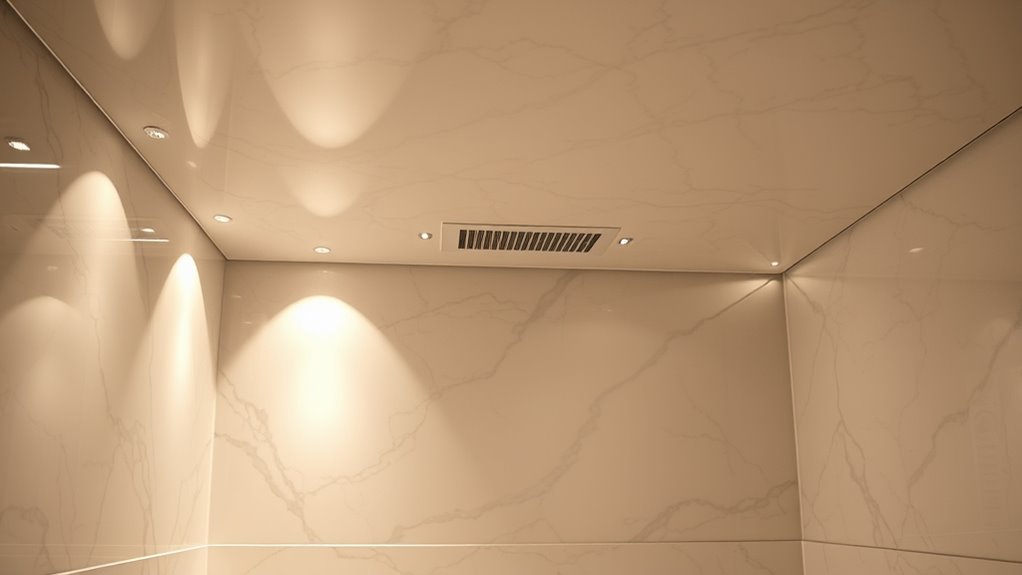
To effectively combine ventilation and humidity control in your steam room, make certain you use proper airflow systems like vents and exhaust fans alongside humidity sensors. These work together to prevent stale air, reduce mold, and maintain comfortable moisture levels. Regular maintenance and balancing steam output with airflow are key. By prioritizing both, you’ll create a safer, more relaxing environment that lasts longer—discover how these systems integrate seamlessly for ideal comfort and safety.

Get wellness gear delivered free with Prime
- Fast, free delivery on millions of items
- Prime Video, Amazon Music and more included
- Member-only deals all year
Key Takeaways
- Integrate exhaust fans and mechanical ventilation units to facilitate continuous air exchange and remove excess humidity effectively.
- Use humidity sensors and controls to monitor moisture levels and automatically adjust ventilation for optimal comfort.
- Properly position vents and exhausts to maximize airflow and prevent stale air or damp spots within the steam room.
- Balance steam generation with ventilation capacity to avoid excessive humidity buildup and condensation on surfaces.
- Regular maintenance of ventilation and humidity control systems ensures reliable operation and a healthier environment.
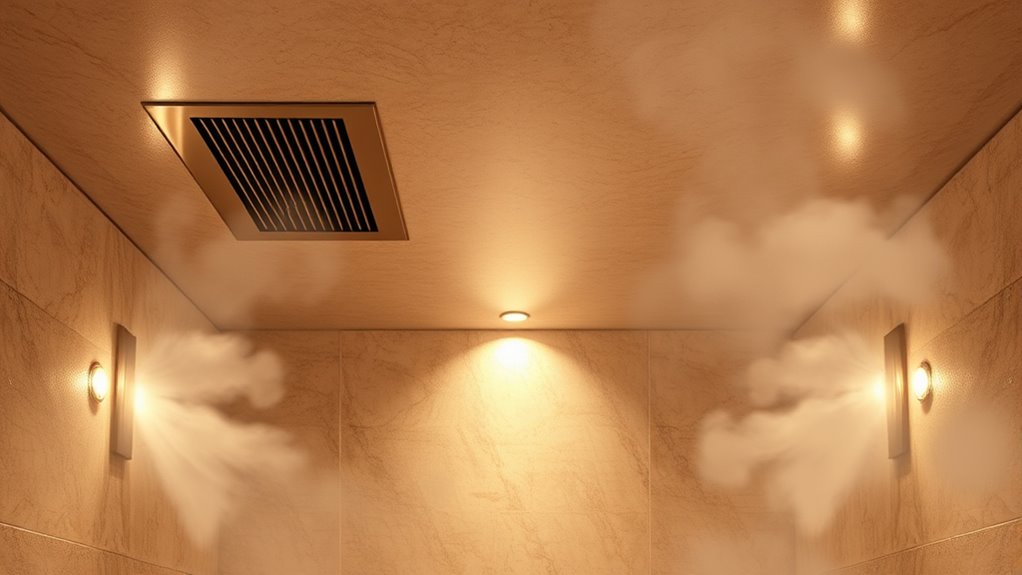
Proper ventilation and humidity control are essential for creating a safe and enjoyable steam room experience. When you step into a steam room, your comfort and safety depend heavily on how well the air circulates and how effectively moisture is managed. Good air circulation prevents stale air from lingering and helps disperse excess humidity, which can otherwise lead to mold growth or unpleasant odors. Moisture regulation is equally vital because it ensures the environment remains comfortably humid without becoming overly damp, which can cause structural issues or health problems.
To achieve ideal air circulation, you should ensure that the steam room has a reliable ventilation system. This system should actively exchange indoor air with fresh air from outside, reducing the buildup of heat and humidity. Properly placed vents, exhaust fans, or even mechanical ventilation units work together to promote continuous airflow. When air moves efficiently, you avoid pockets of stagnant, humid air that can make your experience uncomfortable and potentially hazardous. You’ll notice that a well-ventilated steam room feels fresher, and the risk of mold or mildew is greatly decreased.
Moisture regulation is equally crucial because excessive humidity can make the environment oppressive and damage the room’s structure over time. You want to maintain a humidity level that enhances relaxation without crossing into discomfort or risk. This involves controlling both the amount of steam generated and how the room’s ventilation system handles that moisture. If the humidity gets too high, it can cause condensation on surfaces and promote mold growth, which is harmful to your health. Conversely, if the humidity is too low, you might not enjoy the therapeutic benefits of steam. Using humidity sensors or controls allows you to fine-tune the moisture levels, ensuring they stay within a safe, comfortable range.
Combining efficient air circulation with effective moisture regulation creates a balanced environment. This synergy not only improves comfort but also extends the lifespan of your steam room by preventing damage caused by excess moisture. It’s important to regularly inspect and maintain your ventilation system, keeping vents and fans clean and operational. You should also monitor humidity levels and adjust steam output accordingly, especially if the room is used frequently. When you prioritize these elements, you’ll enjoy a steam room that feels revitalizing, safe, and easy to maintain, making each visit a truly relaxing experience. Additionally, understanding the importance of air exchange can help optimize the overall environment for health and comfort.
As an affiliate, we earn on qualifying purchases.
Frequently Asked Questions
How Does Proper Ventilation Affect Steam Room Energy Efficiency?
Proper ventilation improves your steam room’s energy efficiency by optimizing airflow, which helps regulate temperature and humidity levels. When airflow is well-managed, your system doesn’t have to work as hard to maintain the desired environment, leading to significant energy savings. By ensuring effective airflow optimization, you reduce unnecessary energy consumption, lower operating costs, and create a more comfortable, well-maintained steam room for users.
Can Humidity Control Prevent Mold Growth in Steam Rooms?
In a nutshell, humidity control can definitely prevent mold growth in steam rooms. Think of it like a knight’s shield, blocking mold from taking hold. Proper humidity regulation keeps moisture levels in check, reducing mold prevention issues. Without it, excess moisture creates the perfect environment for mold to thrive. So, by managing humidity effectively, you protect your steam room’s health, safety, and longevity.
What Are the Signs of Poor Ventilation in a Steam Room?
You’ll notice poor ventilation in your steam room through airflow issues, like stuffy air or lingering heat. You might also detect odor problems, such as musty smells that won’t go away. These signs indicate inadequate air exchange, which can lead to humidity buildup and mold risks. To fix this, make certain vents are unobstructed and consider upgrading your ventilation system for better airflow and a more comfortable, healthier environment.
How Often Should Ventilation and Humidity Systems Be Maintained?
A stitch in time saves nine, so you should check your ventilation and humidity systems at least quarterly. Regular cleaning schedules prevent buildup that hampers performance, while system upgrades ensure efficiency and safety. Stay ahead of issues by inspecting filters, vents, and controls, and promptly addressing any signs of wear. Consistent maintenance keeps your steam room safe, comfortable, and inviting for users.
Are There Specific Ventilation Standards for Commercial Steam Rooms?
Yes, there are specific ventilation standards for commercial steam rooms to guarantee proper airflow and ventilation compliance. You should follow local building codes and industry guidelines, like ASHRAE standards, to maintain ideal steam room airflow. These standards specify the necessary ventilation rates to prevent moisture buildup and ensure a safe environment. Regularly inspecting and maintaining your ventilation system helps you stay compliant and keeps the space comfortable and safe for users.
As an affiliate, we earn on qualifying purchases.
Conclusion
As you master the art of balancing ventilation and humidity, imagine stepping into your steam room—steam swirling, air perfectly refreshed. Just when you think you’ve got it all under control, a new challenge emerges, testing your setup. Will your ventilation keep the air crisp, or will humidity creep back, clouding your sanctuary? Keep fine-tuning, stay alert—your perfect steam room experience hinges on this delicate dance. The next step could transform your space forever.
automatic humidity control system
As an affiliate, we earn on qualifying purchases.
As an affiliate, we earn on qualifying purchases.
ventilation and exhaust fan for steam room
As an affiliate, we earn on qualifying purchases.
As an affiliate, we earn on qualifying purchases.
Fall Picks
fall essentials
As an affiliate, we earn on qualifying purchases.