
TL;DR

Get wellness gear delivered free — and shop member deals
- Fast, free delivery on millions of items
- Access to Prime Big Deal Days deals on October 6–7
- Prime Video, Amazon Music and more included
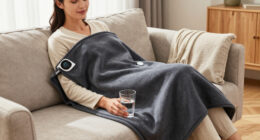
At-home infrared sauna blankets wrap your body in adjustable heat, often around 110°F to 150°F, to encourage sweating and relaxation. They may help you unwind or feel temporary relief from muscle soreness, but claims about detoxification and lasting weight loss are not well established; choose a device with reliable safety features, follow its manual, hydrate, and ask a healthcare professional if you have a health condition.
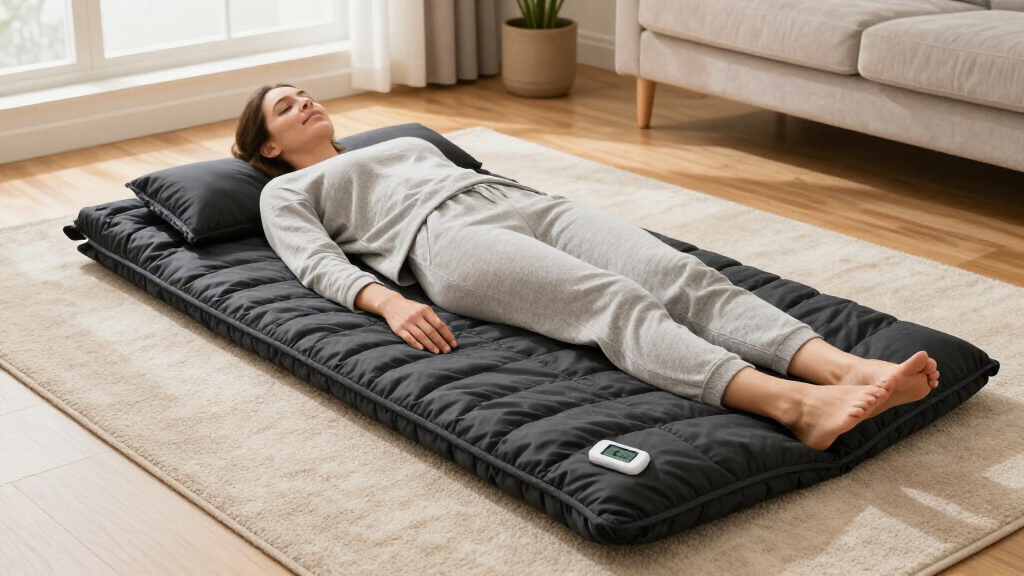
A sauna blanket can turn a spare patch of floor into a warm, zipped-up cocoon, but more sweat does not automatically mean more health benefit. These personal devices use infrared heat to warm your body while you lie inside them, offering a home option for people who want a quiet, heat-based relaxation routine.
This guide explains what infrared sauna blankets do, what their wellness claims can and cannot tell you, and what to check before you buy or use one. You’ll also get a practical first-session plan and safety pointers, so the blanket becomes an informed choice—not another gadget promising to fix everything.
An infrared sauna blanket wraps you in adjustable heat; listed settings of 110°F–150°F do not guarantee the same skin temperature for every user.
Relaxation and temporary relief from muscle soreness are more realistic expectations than detoxification or lasting weight loss.
For a first session, follow the manual, begin at a low setting for a shorter time, keep water nearby, and stop if you feel unwell.
Compare safety instructions, shut-off features, cleaning requirements, warranty, and storage needs before buying.
Ask a healthcare professional first if you are pregnant, have a health condition affecting heat tolerance, or have reduced skin sensation.
What an infrared sauna blanket actually does
An infrared sauna blanket is a portable, wraparound heat device with adjustable controls that warms you while you rest inside it. Unlike a traditional sauna room, it folds away when you finish, and the heat surrounds your body through layers of fabric and heating elements. Most models are designed for sessions of roughly 30–45 minutes, though you should follow the instructions for your specific device.
When people ask what are infrared heaters, the practical answer is that they emit infrared energy, a form of energy you experience as warmth. Blanket brands describe their products as near-infrared (NIR), far-infrared (FIR), or a combination; those labels describe different parts of the infrared spectrum, not a guarantee that a particular blanket delivers a particular health result. Product claims about deep tissue effects deserve careful scrutiny.
For example, imagine finishing a chilly evening walk and using a blanket while listening to a podcast. The enclosed warmth may feel soothing, much like getting cozy beneath a heavy duvet on a cold day, but it is still a heat session—not a replacement for prescribed care or a treatment for an injury.
Many products list settings within about 110°F–150°F (43°C–66°C). That range is not a promise that your skin reaches those exact temperatures: your clothing, fit, position, and the blanket’s construction all affect comfort. Think of the display as a setting to manage, not a score to beat.
As an affiliate, we earn on qualifying purchases.
Which benefits are realistic—and which claims need a closer look
At-home infrared sauna blankets may support relaxation and temporary relief from muscle soreness, while evidence for dramatic detoxification or lasting weight loss remains limited. Sweating is your body’s way of regulating temperature; a sweaty towel after a session shows you lost fluid, not that you have measured toxins leaving your body. Your liver and kidneys handle much of your body’s routine waste processing.
Some research on sauna bathing and heat exposure suggests potential wellness effects, but studies of traditional saunas do not automatically prove that a blanket produces the same outcomes. The devices differ in how heat is delivered, how much of the body is exposed, and how people use them. Research on infrared devices is still developing, and comprehensive clinical trials for sauna blankets remain limited. Treat broad marketing promises as claims to check, not established facts.
Here’s a useful real-world distinction: after a session, your shoulders might feel looser and your mind quieter. That can make a blanket a pleasant addition to an evening routine, especially if warmth helps you relax. It does not mean the blanket has addressed the cause of persistent pain, though; temporary comfort and treatment are different things. A lower number on the scale right afterward may reflect water loss, which returns when you rehydrate; it is not evidence of lasting fat loss.
Use the device for comfort, warmth, and downtime if those are benefits you notice. The practical value is personal: a soothing routine may be worthwhile if it fits your budget and feels good, but it is not a guaranteed health intervention. Don’t use it to delay medical care, replace a treatment plan, or chase a “detox” result. If a health concern or persistent pain brought you to the product page, discuss it with a qualified professional first.
As an affiliate, we earn on qualifying purchases.
How to try your first session without overdoing the heat
Start with a short, low-heat session and increase only if you stay comfortable. A blanket may advertise 30–45-minute sessions, but that is not a requirement for your first try. Starting below the maximum gives you time to learn how your body responds without committing to prolonged heat. Set up in a cool, uncluttered spot, keep water close, and stop if you feel unwell rather than pushing through to finish a timer.
- Read the manual. Check session limits, cleaning directions, clothing or liner instructions, and how to use the controls and shut-off feature. These details vary by model; using a liner or cleaning product the manufacturer does not allow could damage the device or affect how safely it operates.
- Prepare your space. Place the blanket on a stable, heat-appropriate surface, remove anything that could snag it, and keep the controller and cord positioned as the manufacturer directs. A clear setup makes it easier to get out quickly and reduces the chance that a cord or blanket will be pulled or trapped.
- Begin gently. Choose a low setting and a shorter session than the maximum listed. Wear what the manual recommends; a clean cotton layer or liner may improve comfort if the device allows one. A lower setting is a starting point, not a guarantee of safety, so pay attention to how you feel throughout the session.
- Check in as you go. Keep water nearby and pay attention to how you feel. Stop for dizziness, nausea, unusual discomfort, or skin irritation rather than waiting to see whether symptoms pass.
- Cool down and clean up. Allow your body to cool gradually, drink water, and wipe or wash the blanket as its care label directs. Cleaning after use helps manage sweat, while following the care instructions helps avoid damaging the materials or electronics.
For instance, if your first session is planned for 30 minutes but you start feeling flushed and uncomfortable at minute 12, stop. The goal is a comfortable routine, not a test of endurance. Some users settle into two or three sessions a week, but frequency depends on your comfort, device instructions, and personal health; there is no universal schedule. More frequent or longer sessions do not necessarily provide more benefit, and they can mean more exposure to heat and more fluid loss.
As an affiliate, we earn on qualifying purchases.
How to choose a blanket that fits your home and habits
A good sauna blanket is one with clear safety instructions, usable temperature controls, and care requirements you can realistically follow. Newer models may advertise automatic shut-off timers, smart controls, Bluetooth audio, or app settings. Extra features can feel convenient, but basic construction and clear directions matter more than a speaker that plays your playlist. Consider whether an app makes operation simpler or adds another step; controls you can understand and reach are more useful than features you rarely use.
Compare products by checking the details rather than relying on a dramatic product photo. Look for recognized safety certifications relevant to your market, a clear warranty, the manufacturer’s contact information, and instructions for cleaning and storage. Certifications and warranty terms are not proof that a product will suit every person, but they give you concrete information about testing and what help may be available if something fails. A vague listing that promises “detox” but barely explains its shut-off timer gives you little useful information.
| What to check | Why it matters at home |
|---|---|
| Temperature controls | They let you choose a comfortable setting instead of treating maximum heat as the default. |
| Automatic shut-off | A timer adds a safeguard if you get sleepy or lose track of time, though it does not replace monitoring how you feel. |
| Cleaning instructions | Sweat is part of the experience, so you need a clear way to keep the interior clean without damaging the device. |
| Storage and fit | A bulky blanket you cannot easily dry or store may end up unused; size and weight also affect how easy it is to set up and put away. |
| Warranty and support | Clear service details help if a controller or heating element stops working, and can clarify what repairs or replacements are covered. |
Think about your actual routine. If you live in a small apartment and want to store the device under a bed, check its folded size and weight before buying. Also consider whether you have a suitable place to use it and let it cool and dry afterward. Infrared sauna blankets offer a compact alternative to installing a home infrared sauna, but that convenience comes with a tradeoff: you are enclosed in the device and need to follow its setup, use, and cleaning instructions carefully.
As an affiliate, we earn on qualifying purchases.
Who should get medical advice before using one
Ask a healthcare professional before using a sauna blanket if you are pregnant, have a cardiovascular condition, take medication that affects heat tolerance, or have a condition that changes sensation or sweating. Heat can place extra demands on your body, and a device that feels pleasant to one person may be unsuitable for another. These factors matter because you may respond differently to heat, have a harder time recognizing when you are overheating, or need to follow specific medical advice. If you have a skin condition or sensitive skin, ask about irritation and avoid use on damaged or inflamed areas unless a professional says otherwise.
Even people without known health concerns can experience overheating, dehydration, light-headedness, or skin irritation. These are practical reasons to keep the first session gentle, follow the product’s instructions, and get out promptly if you feel faint, nauseated, unusually weak, or unwell. Don’t use a blanket while intoxicated, when you cannot respond to discomfort, or in a way the manual forbids. If you are too sleepy or impaired to notice and respond to warning signs, the blanket’s shut-off timer is not a substitute for being able to stop the session yourself.
Stop when your body signals discomfort. A timer, a high temperature, or a promise on the box is never a reason to ignore dizziness, nausea, or burning skin.
For example, if you have reduced sensation in your legs, you may not notice excessive heat as quickly as someone else. That difference changes the safety picture; it is a reason to get individual guidance, not simply choose a lower setting and assume the risk has disappeared. These blankets can support a wellness routine, but they are not medical treatment.
What sweat, weight changes, and hydration really mean
Heavy sweating during a blanket session mainly signals heat exposure and fluid loss; it does not prove fat loss or a special detox effect. Your weight may dip temporarily after sweating because you have lost water. Once you drink and eat normally, that short-lived change usually fades. This distinction matters because the scale can respond quickly to fluid shifts even when body fat has not changed.
That matters if you are tempted to turn a relaxation habit into a scale-based challenge. Say you weigh yourself before a 40-minute session and again afterward, then see a lower number. The result can look satisfying, but it is not a reliable measure of lasting body-composition change. Chasing that temporary drop can encourage longer or hotter sessions, increasing heat exposure without making the result more meaningful. Replacing fluids is more sensible than celebrating dehydration.
Drink water before and after, and keep some within reach during a session if the instructions allow. You do not need to force down a large amount at once; sip according to your thirst and your clinician’s advice if you have fluid restrictions. Avoid treating a blanket as a way to “sweat out” a late meal, an illness, or alcohol. In those situations, sweating does not undo the underlying issue and may add avoidable fluid loss.
Hydration is a comfort and safety measure, not a license to stay in longer. If you feel dizzy or sick, end the session and cool down. A quiet, comfortable 15 minutes can be a better experience than 45 minutes spent chasing a puddle of sweat.
Frequently Asked Questions
Are at-home infrared sauna blankets safe to use?
They can be used safely by many people when the device is in good condition and you follow its instructions, but heat still carries risks such as dehydration, overheating, and skin irritation. Use the controls and shut-off feature as directed, stop if you feel unwell, and ask a healthcare professional about personal risks.
Do infrared sauna blankets help with detoxification or weight loss?
Sweating is not proof that a blanket has removed toxins, and a temporary post-session drop in weight usually reflects fluid loss. Research does not establish sauna blankets as a method for lasting weight loss. Rehydrate after sweating and treat the device as a relaxation option, not a weight-loss plan.
How long should I use an infrared sauna blanket?
Many products describe sessions around 30–45 minutes, but your device’s manual sets the relevant limits. If you are new to it, begin with a shorter, lower-heat session and see how you feel. Stop early if you become dizzy, nauseated, or uncomfortable.
How often can I use a sauna blanket?
Some users choose two or three sessions a week, but that is not a universal recommendation. Follow the product instructions and consider your comfort, health, and recovery. Ask a healthcare professional for guidance if you have a condition or take medication that affects heat tolerance.
What should I look for when buying an infrared sauna blanket?
Prioritize clear temperature controls, an automatic shut-off timer, relevant safety certifications, easy-to-follow cleaning instructions, a warranty, and accessible customer support. Check the folded size and storage needs, too. A long feature list matters less than a device you can use and care for safely.
Can I use a sauna blanket if I’m pregnant or have a health condition?
Do not assume a blanket is suitable during pregnancy or with a cardiovascular condition, skin problem, reduced sensation, or another health concern affecting heat tolerance. Ask your healthcare professional before use and follow their advice. A general product safety statement cannot account for your individual health history.
Conclusion
Treat an at-home infrared sauna blanket as a heat-and-relaxation tool, not a shortcut to detoxification or lasting weight loss. Read the manual, start gently, and get personal medical guidance when your health history calls for it.
The best session is not the sweatiest one. It is the one that leaves you comfortable, hydrated, and ready to fold the blanket away like a warm cocoon.
Halloween Picks
halloween
As an affiliate, we earn on qualifying purchases.