TL;DR

Get wellness gear delivered free with Prime
- Fast, free delivery on millions of items
- Prime Video, Amazon Music and more included
- Member-only deals all year
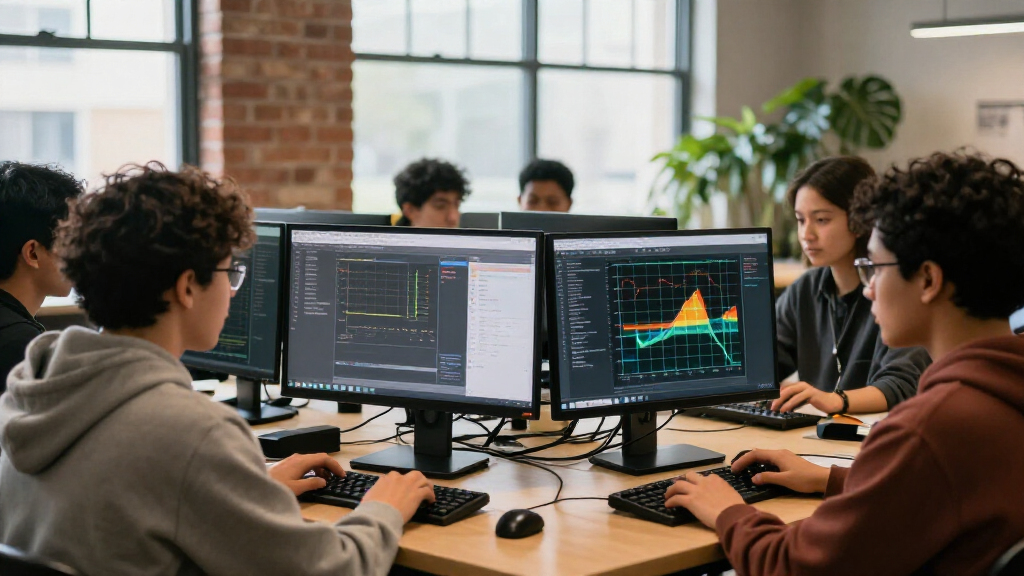
Students from Colorado took part in Google’s second annual Colorado Impact Hackathon, held at the company’s Boulder offices with CU Boulder and the Colorado Energy Office. The top projects proposed an AI solar-planning app, a battery network for wildfire shutoffs and predictive tools for grid hardening; the source does not report that any project has been deployed.
Student teams at Google’s second annual Colorado Impact Hackathon presented projects aimed at Colorado’s electric-grid challenges, including rooftop solar planning, power outages during wildfire shutoffs and grid hardening. The event took place at Google’s Boulder offices in partnership with the University of Colorado Boulder and the Colorado Energy Office, according to Google.
Google’s report said participants were asked how to help create a clean, secure and resilient electric grid in Colorado. It named three winning projects, each proposing a different use for technology to address energy concerns. The report did not provide the number of students or teams involved, nor describe how the projects were evaluated.
SolarSnap took first place. Google described it as an AI app that uses a homeowner’s phone camera to help identify a suitable solar-panel setup. Grid Watch, the second-place project, was described as an AI-managed battery network intended to keep power on during wildfire-related shutoffs while reducing electricity costs.
Grid Guard placed third. Google said the project offers predictive capabilities for targeted grid hardening, but did not explain what data it uses or how it would guide upgrades. The company’s account presents these as hackathon projects; it does not say that the tools are finished products, tested in the field or adopted by utilities.
Student Proposals Target Grid Risks
The projects focus on issues with direct relevance to Colorado residents: access to rooftop solar, continuity of electricity during wildfire-related shutoffs and decisions about strengthening grid infrastructure. They show how participants framed the challenge, but a hackathon result alone does not establish that a proposal can be implemented or produce the outcomes described.
The partnership brought students together with Google, CU Boulder and the Colorado Energy Office. Google also reported that Colorado Attorney General Phil Weiser and CU Boulder Vice Chancellor for Sustainability Andrew Mayock spoke at the event about innovation and the state’s clean-energy future. Their participation connects the event to public and university interest in the issue, though the report does not announce a funding commitment or formal follow-up program.
Products Worth Considering

Levoit Eleva 300X HEPA Air Purifier for Home and Bedroom

Oura Ring 5 Smart Ring, Gold, Size 8

Blueair Blue Pure 511i Max Smart Air Purifier
As an affiliate, we earn on qualifying purchases.
A Second Boulder Hackathon
Google described the event as the second annual Colorado Impact Hackathon and said it was held at the company’s Boulder offices. The event’s stated challenge combined three aims: cleaner electricity, grid security and resilience. The winning concepts reflect those themes through household solar planning, battery storage during shutoffs and predictive planning for grid upgrades.
In its account, Google linked the challenge to concerns including wildfire risks and energy backlogs. The report does not give figures for those problems or explain how the hackathon projects would address them in practice. The available information is therefore a summary of the event and winning ideas, rather than an independent assessment of their technical readiness or likely impact.
“How can we create a clean, secure, and resilient electric grid in Colorado?”
— Google, in its October 29, 2026 report
Projects’ Next Steps Remain Unknown
Google’s report does not say whether SolarSnap, Grid Watch or Grid Guard will receive additional development support, be tested with homeowners or utilities, or move toward deployment. It also does not provide technical specifications, project budgets, judging criteria or details about the student teams.
The proposed benefits—including lower electricity costs and continued power during wildfire shutoffs—are descriptions of project aims, not verified results. It remains unclear what data the AI tools would use, how they would handle privacy and reliability concerns, and whether any utility or public agency plans to evaluate them.
Follow-Up Could Clarify Deployment
The next developments to watch are whether Google, CU Boulder or the Colorado Energy Office announces mentorship, funding, pilots or further project work. None was specified in Google’s report. Details from the teams or potential partners could clarify the projects’ technical approach, timelines and feasibility.
Until such information is released, the confirmed outcome is the hackathon itself and the selection of three student concepts. Any claim that the projects have changed grid operations, reduced costs or improved outage protection would require evidence beyond the event announcement.
Key Questions
What was the Colorado Impact Hackathon?
It was Google’s second annual hackathon in Colorado, held at the company’s Boulder offices with CU Boulder and the Colorado Energy Office. Students worked on ideas for a cleaner, more secure and resilient electric grid.
Which project won first place?
SolarSnap placed first. Google described it as an AI app that uses a phone camera to help homeowners find an appropriate solar-panel setup.
What were the other winning projects?
Grid Watch placed second with a proposed battery network for wildfire-related shutoffs, while Grid Guard placed third with predictive capabilities for targeted grid hardening.
Are the projects being used by Colorado utilities?
Google’s report does not say that any project has been deployed, tested by utilities or adopted. Their current status beyond the hackathon is not specified.
Who partnered on the event?
Google held the hackathon in partnership with the University of Colorado Boulder and the Colorado Energy Office.
Source: blog.google