
TL;DR

Get wellness gear delivered free with Prime
- Fast, free delivery on millions of items
- Prime Video, Amazon Music and more included
- Member-only deals all year
Infrared therapy lamps emit deep-penetrating infrared radiation that promotes healing, reduces pain, and improves circulation. Recent advances make them more accessible, but safe use is key. Proper knowledge helps you get the most from this non-invasive tool.
Imagine a warm, gentle glow that seeps beneath your skin, easing soreness and encouraging your body to heal. That’s what infrared therapy lamps do. They’re devices that emit infrared radiation—part of the electromagnetic spectrum just beyond visible light—designed to promote comfort, recovery, and relaxation.
In this article, you’ll discover how these lamps work, what recent tech innovations are transforming their use, and practical tips to use them safely at home. Whether you’re dealing with stubborn muscle pain or just want a relaxing heat boost, understanding infrared lamps can help you decide if they belong in your wellness toolkit.
Infrared therapy lamps emit radiation that penetrates deeply, boosting blood flow and speeding healing.
Choose near- or far-infrared lamps based on your specific needs—deep tissue pain or skin health.
Recent tech advances include LED bulbs, portable designs, and smart controls, making therapy more accessible.
Safety is straightforward: keep a proper distance, limit session length, and avoid use if you have skin infections or pregnancy without advice.
Emerging research supports infrared lamps as a valuable supplement for pain relief and tissue repair, but use wisely.
What Exactly Are Infrared Therapy Lamps and How Do They Help?
Infrared therapy lamps are devices that emit infrared radiation, which penetrates your skin and reaches deep into muscles and tissues. This process increases blood flow, reduces inflammation, and speeds up cellular repair. Think of it as sending a warm, healing wave right to where it’s needed most.
Why does this matter? When tissues are injured or inflamed, blood flow often decreases, impairing the delivery of oxygen and nutrients necessary for repair. Infrared radiation helps counteract this by dilating blood vessels, which enhances circulation. The increased blood flow not only accelerates healing but also helps remove metabolic waste products that can contribute to pain and swelling.
For example, if you’ve ever felt relief after holding your hands near a warm lamp on a chilly day, that’s a simple form of infrared therapy. But these lamps are more precise, targeted, and often used for specific therapeutic benefits—like easing arthritis or muscle strains. The deep penetration ensures that even tissues beneath the surface benefit, making it an effective tool for chronic and acute conditions alike.
There are two main types: near-infrared lamps, which go deep into tissues, and far-infrared lamps, which provide gentle, widespread heat. Each type has its role, depending on your needs. Near-infrared can stimulate cellular activity and promote tissue regeneration, while far-infrared primarily enhances circulation and relaxation. Understanding these differences helps you choose the right device for your specific health goals.
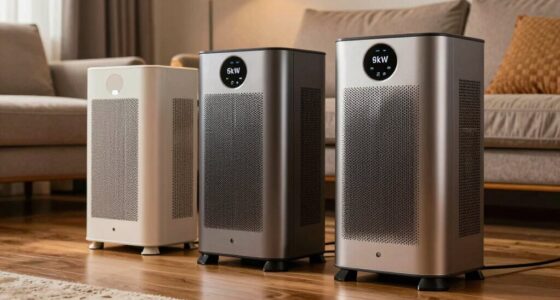
infrared therapy lamp for pain relief
As an affiliate, we earn on qualifying purchases.
As an affiliate, we earn on qualifying purchases.
The Main Types of Infrared Lamps — Which One Is Right for You?
| Type | Penetration Depth | Best For |
|---|---|---|
| Near-infrared | Deep (up to 5 cm) | Muscle & joint pain, deep tissue therapy |
| Far-infrared | Superficial (up to 1 cm) | Skin health, circulation, relaxation |
Choosing the right lamp depends on what you want to target. If you’re dealing with deep muscle knots or joint pain, near-infrared is your go-to because it penetrates deeper, reaching tissues that are often difficult to access with superficial heat. This means more effective relief for conditions like arthritis or chronic muscle tension. Conversely, far-infrared devices provide a gentler, more widespread warmth that can improve blood flow in superficial tissues, making them ideal for skin conditions, boosting circulation, or simply relaxing tense muscles.
For example, someone with chronic back pain might prefer a near-infrared lamp for its deeper reach, which can directly stimulate tissues and promote healing in affected areas. Meanwhile, someone seeking overall relaxation or skin rejuvenation might choose a far-infrared device for its gentle warmth and circulation benefits. Recognizing these tradeoffs helps tailor your choice based on your specific health needs and comfort preferences.
As an affiliate, we earn on qualifying purchases.
Innovations That Make Infrared Lamps More Effective and User-Friendly
Recent years have brought exciting upgrades to infrared lamps. LED technology now replaces old incandescent bulbs, making devices more energy-efficient and longer-lasting. This not only reduces energy costs but also ensures consistent, reliable therapy sessions without flickering or overheating, which can be frustrating or unsafe.
Portable, wearable models are hitting the market, letting you enjoy therapy during your commute or while relaxing at home. These devices often come with adjustable settings, allowing personalized therapy that fits into your daily routine. Some include smart controls—think apps that customize your session length, intensity, and safety features—making infrared therapy more accessible and adaptable to a variety of lifestyles.
For instance, a recent user reported using a compact, app-controlled infrared lamp during her yoga session, feeling more relaxed and less tense afterward. These innovations mean you can incorporate infrared therapy seamlessly into your wellness routine, whether at home, work, or on the go.
According to recent safety standards, manufacturers now include automatic shut-offs and temperature sensors to prevent overheating. These features are crucial because they help maintain safe operating conditions, reducing the risk of burns or skin irritation. The combination of technological improvements and safety features ensures that infrared therapy remains both effective and risk-free when used properly.
As an affiliate, we earn on qualifying purchases.
Safety First: How to Use Infrared Therapy Lamps Without Risk
Using infrared lamps safely is straightforward when you understand the key principles. Maintaining the correct distance—usually 12 to 24 inches from the lamp to your skin—is essential because it balances effective radiation delivery with safety. Too close, and you risk burns or skin irritation; too far, and the therapy becomes less effective, requiring longer sessions or more intense exposure which could still pose risks.
Limit sessions to 10-20 minutes, depending on your device and comfort level. Overdoing it can lead to skin irritation, overheating, or even burns, especially if you ignore warning signs or use the device improperly. Listening to your body and paying attention to skin sensations is vital.
For example, a user started with 10-minute sessions, gradually increasing to 15 as her skin tolerated. She always kept a timer and paid attention to how her skin felt afterward, ensuring she didn’t overexpose herself. This mindful approach helps maximize benefits while minimizing risks.
Remember: avoid use if you have skin infections, fevers, or are pregnant without consulting your healthcare provider. And always read the manual—each device has its quirks and safety recommendations. Being informed and cautious ensures you get the therapeutic benefits without unintended side effects.
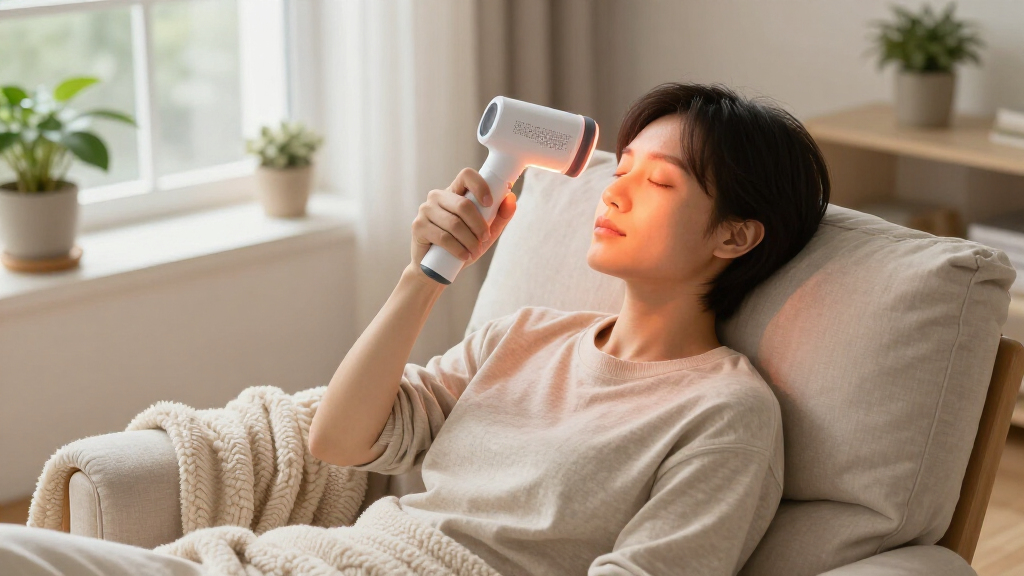
infrared heat lamp for muscle recovery
As an affiliate, we earn on qualifying purchases.
As an affiliate, we earn on qualifying purchases.
What the Latest Research Says About Infrared Therapy’s Benefits
Recent scientific studies reinforce infrared therapy’s potential for reducing pain and speeding up healing. For instance, a 2022 review found that infrared treatment improved blood flow and lessened inflammation in patients with arthritis, which is significant because chronic inflammation can lead to joint damage and decreased mobility. Understanding this helps clarify why infrared therapy can be a valuable tool in managing long-term conditions.
Another research project demonstrated that wounds treated with infrared therapy healed 20% faster than untreated wounds. This accelerated healing can mean shorter recovery times, less pain, and reduced risk of infection or complications. These findings are especially relevant for post-surgical recovery or chronic wound management, where faster tissue repair can significantly improve outcomes.
However, not all conditions respond equally. The effectiveness depends on factors like timing, intensity, and individual health status. It’s important to view infrared therapy as part of a comprehensive treatment plan, ideally under medical supervision. Consistent, correct use—adhering to recommended session lengths and frequencies—maximizes benefits and minimizes potential drawbacks. These studies underscore the importance of integrating scientific evidence into your wellness routine to make informed, safe choices.
Frequently Asked Questions
Are infrared therapy lamps safe for everyday use at home?
Yes, when used according to the manufacturer’s instructions and safety guidelines, infrared lamps are safe for regular home use. Just keep a proper distance, limit your sessions to 10-20 minutes, and avoid overuse to prevent skin irritation or burns.How long should each session last, and how often can I use it?
Most sessions last between 10 and 20 minutes. Frequency depends on your goals and the device, but many users find 3-4 times per week effective. Always follow the specific instructions provided with your lamp.Can I replace physical therapy or medication with infrared therapy lamps?
Infrared lamps can support pain relief and healing efforts but shouldn’t replace professional medical advice or prescribed treatments. They work best as a complementary tool, not a standalone cure.Are there risks or side effects I should watch for?
Potential risks include burns, skin irritation, or overheating if you use the lamp too close or for too long. Always maintain recommended distances and durations. If you experience discomfort, stop immediately and consult a healthcare professional.Who should avoid using infrared therapy lamps?
People with skin infections, fevers, or pregnant women should consult their doctor before use. Also, those with certain medical devices or conditions should seek professional guidance to avoid adverse effects.Conclusion
Infrared therapy lamps offer a simple, drug-free way to support your body’s healing processes. When used with care and the right knowledge, they can become a reliable part of your wellness routine. The soft glow of these lamps isn’t just warm — it’s working beneath the surface, quietly encouraging recovery.
Next time you see one, think of it as a gentle nudge for your body to heal faster, feel better, and relax more fully. A cozy lamp could be your new secret weapon—just remember to use it wisely.
Fall Picks
fall essentials
As an affiliate, we earn on qualifying purchases.