Using a steamer attachment with your heater harnesses steam’s high heat capacity and ability to penetrate surfaces, ensuring efficient and uniform heat transfer. Steam’s properties allow it to expand, fill spaces, and effectively sterilize or cook by releasing latent heat as it condenses. Properly controlling steam pressure enhances performance and safety. If you want to understand how to optimize steam’s powerful properties for cleaning, cooking, or sterilization, you’ll find valuable insights ahead.

Get wellness gear delivered free with Prime
- Fast, free delivery on millions of items
- Prime Video, Amazon Music and more included
- Member-only deals all year
Key Takeaways
- Steam transfers heat efficiently through condensation and latent heat release, ensuring uniform and rapid heating when using a steamer attachment.
- Proper control of steam pressure and output optimizes heat transfer and prevents safety issues during steaming processes.
- Steam’s high heat capacity allows deep penetration into fabrics and porous materials, enhancing cleaning and sterilizing effectiveness.
- Adjusting pressure and steam flow helps achieve consistent temperature distribution and prevents uneven heating.
- The high expansion and filling ability of steam ensures it reaches intricate surfaces for thorough steaming and cleaning.
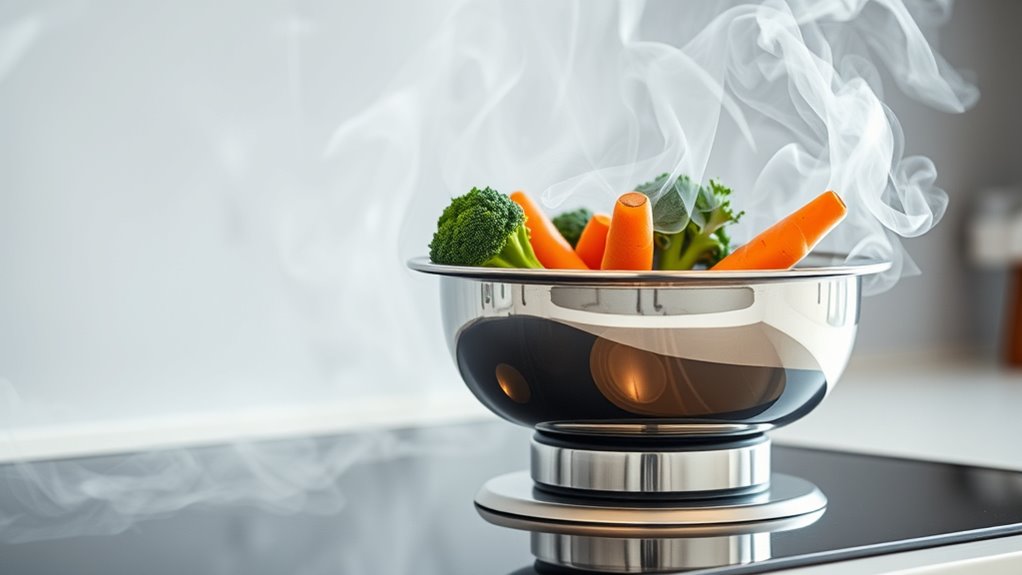
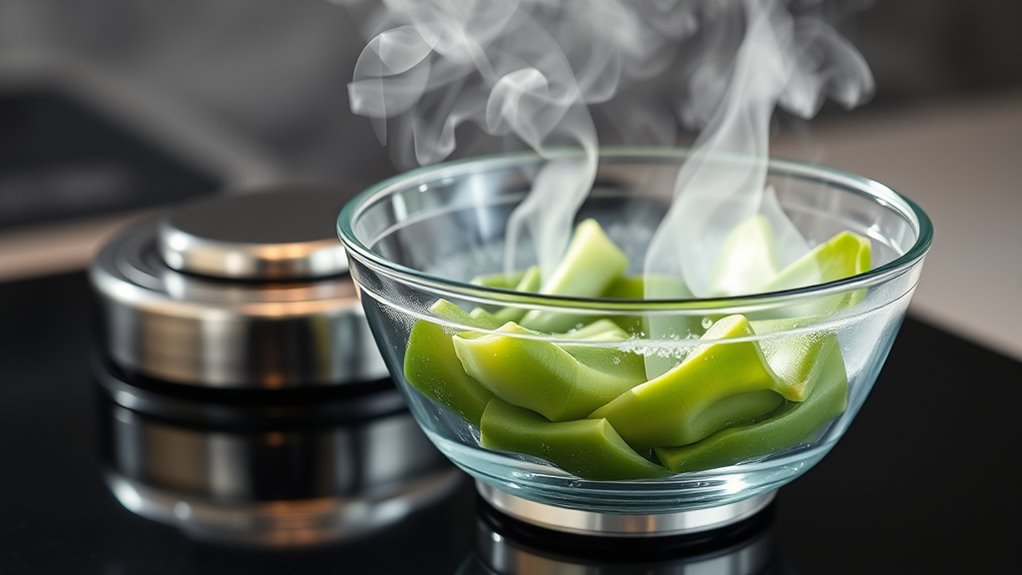
Steam, the invisible vapor produced when water reaches its boiling point, plays a crucial role in both everyday life and scientific applications. When you use a steamer attachment with your heater, understanding the properties of steam helps you appreciate how it effectively transfers heat. Steam properties, such as its high heat capacity and ability to carry large amounts of energy, make it an efficient medium for heat transfer. Unlike dry air, steam contains a significant amount of latent heat, which is released when it condenses back into water, transferring energy directly to surfaces or materials. This characteristic allows steam to deliver concentrated heat quickly and evenly, making it ideal for cooking, sterilizing, or even cleaning.
In the context of your heater and steamer attachment, recognizing how heat transfer occurs is essential for maximum performance. When water boils and transforms into steam, it absorbs a substantial amount of energy without a rise in temperature, thanks to its high specific heat. As you generate steam, this energy is transferred to surrounding objects or food through conduction, convection, and sometimes radiation. The heat transfer process is rapid because steam can fill a space uniformly, ensuring heat is distributed evenly. When the steam contacts cooler surfaces, it condenses and releases its latent heat, which helps in maintaining consistent temperatures and efficient operation. This makes a steamer attachment particularly effective for tasks requiring uniform heating, such as steaming vegetables or sterilizing instruments.
Furthermore, the physical properties of steam influence its behavior during heat transfer. Its ability to expand and fill spaces allows it to reach intricate surfaces and penetrate fabrics or porous materials effectively. The high temperature at which steam is generated also means you can achieve rapid heating and cooking, reducing time and energy consumption. When using your heater with a steamer attachment, you should be aware that controlling the steam output and pressure impacts how well heat is transferred. Too much pressure may cause uneven heating or safety issues, while too little might result in inefficient steaming. Adjusting the settings ensures that the steam’s heat transfer capabilities are optimized for your specific needs. Understanding steam’s high heat capacity helps you better utilize its energy transfer potential for more effective results.
steam cleaner attachment for heater
As an affiliate, we earn on qualifying purchases.
As an affiliate, we earn on qualifying purchases.
Frequently Asked Questions
Can Steam Cleaning Damage Delicate Fabrics?
Steam cleaning can damage delicate fabrics if you’re not careful. To protect fabric care, always test a small, hidden area first and use the lowest steam setting. Steam safety is vital—you want to avoid excessive moisture or heat that could weaken fibers or cause burns. When used properly, steam cleaning is gentle, but rushing or using high settings on fragile textiles can cause damage.
How Often Should I Descale My Steamer Attachment?
Think of your steamer like a car engine—it needs regular oil changes. You should descale your steamer attachment every 1-3 months, depending on water hardness and usage frequency. Use descaling methods like vinegar or commercial descalers to prevent buildup. Regular descaling guarantees consistent steam frequency and prolongs your device’s lifespan, keeping it performing like new and avoiding clogs or reduced efficiency.
Is Steam Cleaning Effective Against Mold and Bacteria?
Steam cleaning is highly effective against mold and bacteria because of its deep steam penetration. The high temperature kills mold spores and bacteria on contact, making it a great choice for sanitation. Regular steam cleaning can help eradicate mold and improve air quality. Just guarantee you target affected areas thoroughly, and use proper safety precautions. For persistent mold, combine steam cleaning with other mold eradication methods for best results.
Can I Use Tap Water in My Steamer?
Sure, go ahead and use tap water in your steamer—what’s the worst that could happen? Unfortunately, water quality varies, and tap water often contains minerals that lead to buildup inside your device. Over time, this mineral deposit can clog your steamer, reducing efficiency. So, while it’s tempting to save time, using distilled or filtered water helps prevent mineral buildup and keeps your steamer running smoothly longer.
What Safety Precautions Should I Follow During Steaming?
To guarantee steam safety and heater precautions, always read the manufacturer’s instructions before use. Keep the steamer away from children and pets, and never leave it unattended while operating. Make sure the water level is adequate to prevent dry boiling, and allow the unit to cool before refilling or cleaning. Use proper protective gear if needed and regularly inspect for leaks or damage, maintaining safe operation throughout.
As an affiliate, we earn on qualifying purchases.
Conclusion
Now that you understand the science behind steam, you’re like Da Vinci mastering a new craft. Just as alchemists transformed base metals into gold, you can turn simple water into a powerful cleaning tool with your heater and steamer attachment. Embrace this knowledge, and let steam become your secret weapon—an invisible force that cleans, refreshes, and renews. With each use, you *release* a little more of the magic hidden in ordinary steam, transforming your space into a sanctuary.
fabric steamer with adjustable pressure
As an affiliate, we earn on qualifying purchases.
As an affiliate, we earn on qualifying purchases.
As an affiliate, we earn on qualifying purchases.
Halloween Picks
halloween
As an affiliate, we earn on qualifying purchases.