When choosing between cedar and hemlock, it’s important to understand their true maintenance needs. Cedar is naturally resistant to pests and decay, but still benefits from regular cleaning and staining to keep it looking best. Hemlock, meanwhile, depends more on external treatments to prevent weathering and damage. Myths about maintenance-free wood are false—both require care to last. Keep exploring to discover what real long-term durability depends on and make an informed decision.
Key Takeaways
- Cedar’s natural oils provide inherent resistance, reducing maintenance needs compared to hemlock’s reliance on external preservatives.
- Regular cleaning and re-staining are essential for both woods; maintenance-free claims are myths.
- Proper sealing and protective coatings significantly extend the lifespan of hemlock, which is less durable than cedar.
- Grain quality influences durability; cedar retains color longer, while hemlock requires more frequent upkeep.
- Choosing between cedar and hemlock depends on maintenance willingness, environmental factors, and desired natural appearance.

Olympic WaterGuard 11.75 oz. Woodland Cedar Semi-Transparent Exterior Wood Stain Plus Sealer
Ready mix, ready to use semi-transparent wood stain and sealant all-in-one
As an affiliate, we earn on qualifying purchases.
As an affiliate, we earn on qualifying purchases.
Understanding the Basic Properties of Cedar and Hemlock
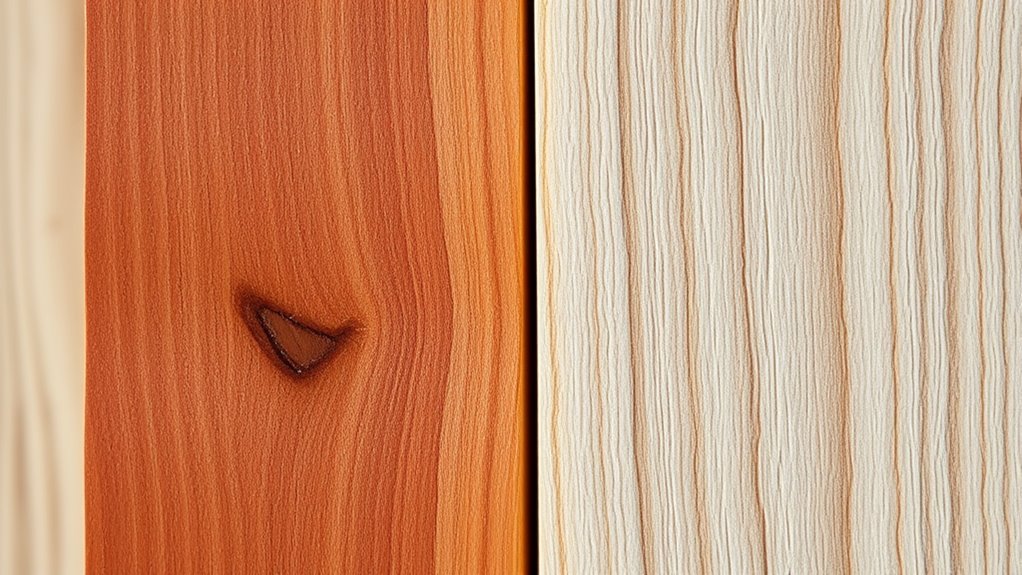
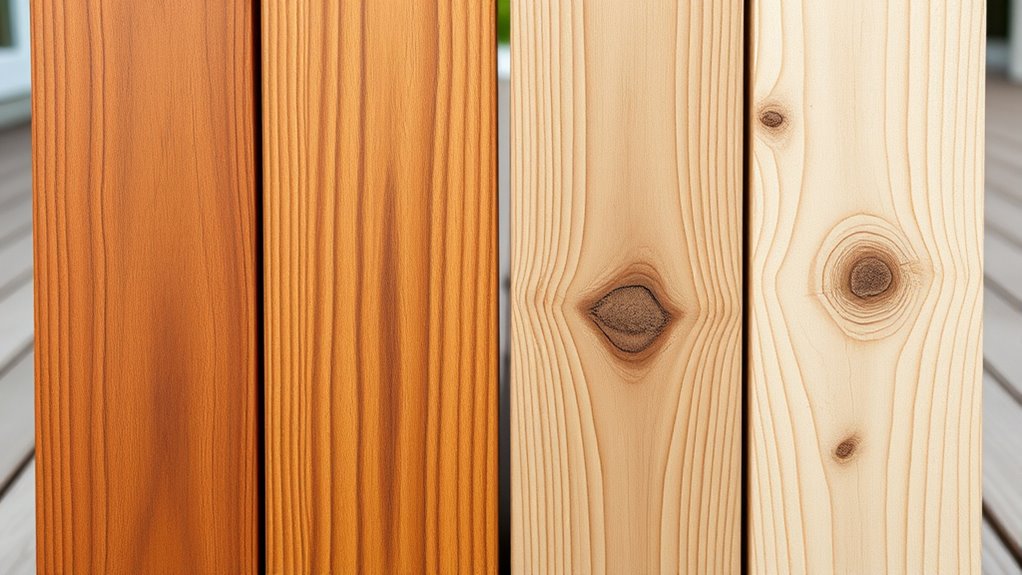
Ever wondered what sets cedar and hemlock apart in relation to their basic properties? Cedar features a straight, fine wood grain that often displays aromatic qualities, thanks to its natural preservatives. These preservatives make cedar resistant to pests, decay, and moisture, reducing the need for chemical treatments. Hemlock, on the other hand, has a more uniform and softer wood grain, which makes it easier to work with but less naturally resistant to the elements. Unlike cedar, hemlock relies more on external preservatives for longevity. Understanding these core differences helps you choose the right wood for your project, as cedar’s natural preservatives offer inherent durability, while hemlock depends more on maintenance and treatment to withstand environmental stress. Additionally, wood grain characteristics play a crucial role in how each type performs in various applications.

DeckWise Ipe Seal Hardwood End Grain Sealant for Fresh Cut Board Ends or Turning Blanks (16-oz.)
16 oz. container comes with a handy brush lid for easy application.
As an affiliate, we earn on qualifying purchases.
As an affiliate, we earn on qualifying purchases.
Common Maintenance Practices for Each Wood Type
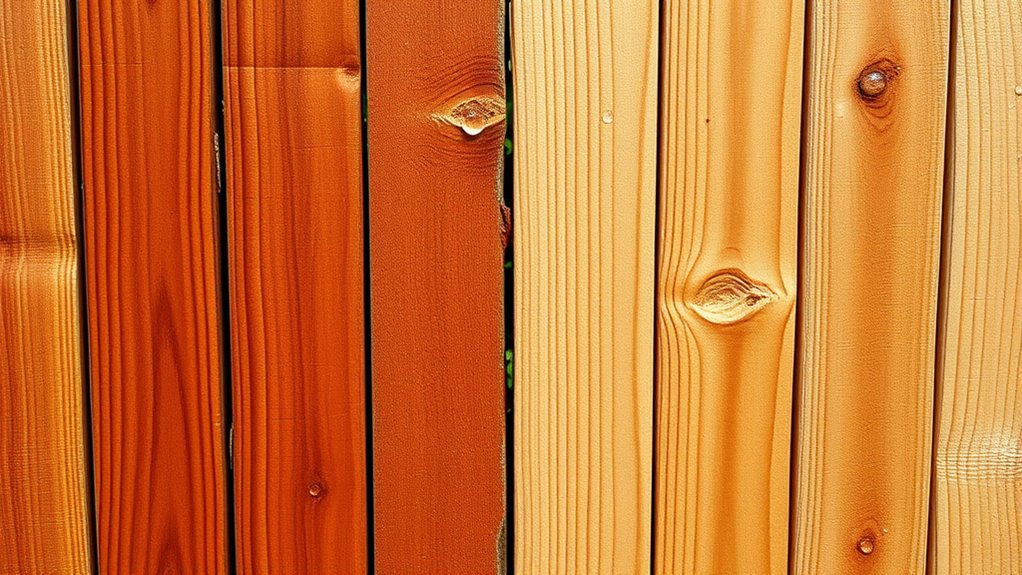
To keep cedar and hemlock looking their best and lasting longer, you need to follow specific maintenance practices tailored to each wood type. Regular cleaning with mild soap and water removes dirt and debris, preventing buildup. Applying a quality wood stain helps protect the surface, enhances color, and prolongs lifespan. For cedar, choose a stain designed for its natural oils, which also boosts pest resistance. Hemlock benefits from stain treatments that penetrate deeply, providing added protection against moisture and pests. Sanding lightly before staining ensures better adhesion. Keep an eye out for signs of damage or decay, and reapply stain as needed—usually every 1-3 years. Proper maintenance enhances both wood types’ appearance and durability, ensuring your investment stands the test of time. Additionally, understanding the material composition of each wood can help you select the most effective protective products and techniques.

Handcraft Blends Cedarwood Essential Oil – Huge 4 Fl Oz – 100% Pure and Natural – Premium Grade Essential Oil for Diffuser and Aromatherapy, Skin, Massage, Candle and Soap Making Fragrance
100% PURE & NATURAL CEDARWOOD OIL – Handcraft Blends oils are exactly that! Many oils being sold make…
As an affiliate, we earn on qualifying purchases.
As an affiliate, we earn on qualifying purchases.
Debunking Myths About Durability and Maintenance-Free Claims
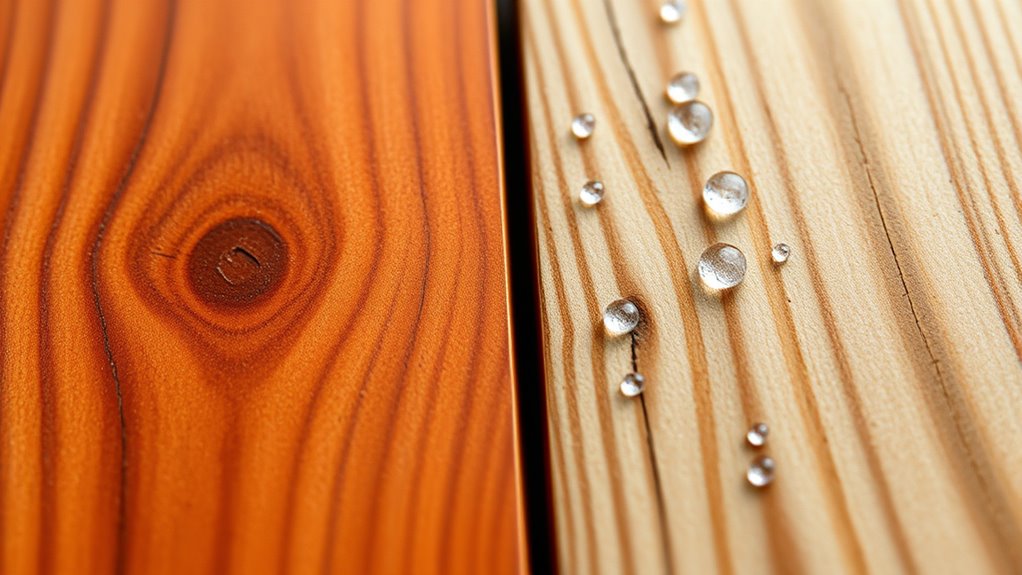
Many people believe that choosing cedar or hemlock means you can skip regular maintenance altogether. However, this isn’t true, especially when it comes to durability and weather resistance. Both woods benefit from proper wood treatment to improve their lifespan and prevent damage from moisture and pests. Claims that these woods are maintenance-free are myths; they still require periodic inspections and care. Remember:
- Wood treatment enhances weather resistance.
- Regular sealing protects against moisture.
- Proper installation reduces long-term issues.
- No wood is truly maintenance-free without upkeep.
- Neglecting maintenance shortens lifespan and appearance.
- Wood properties influence how each type responds to environmental conditions and required care.
While cedar naturally resists decay, it still needs some attention. Hemlock, being softer, demands more care to maintain its durability. Don’t fall for maintenance-free myths—real longevity comes with proper care.

Minwax 233334444 Polycrylic Protective Wood Finish, Clear Satin, ½ Pint
PROTECT WOOD SURFACES – Minwax Polycrylic Protective Finish protects and adds beauty to your interior wood projects, including…
As an affiliate, we earn on qualifying purchases.
As an affiliate, we earn on qualifying purchases.
Factors That Influence Long-Term Performance and Care
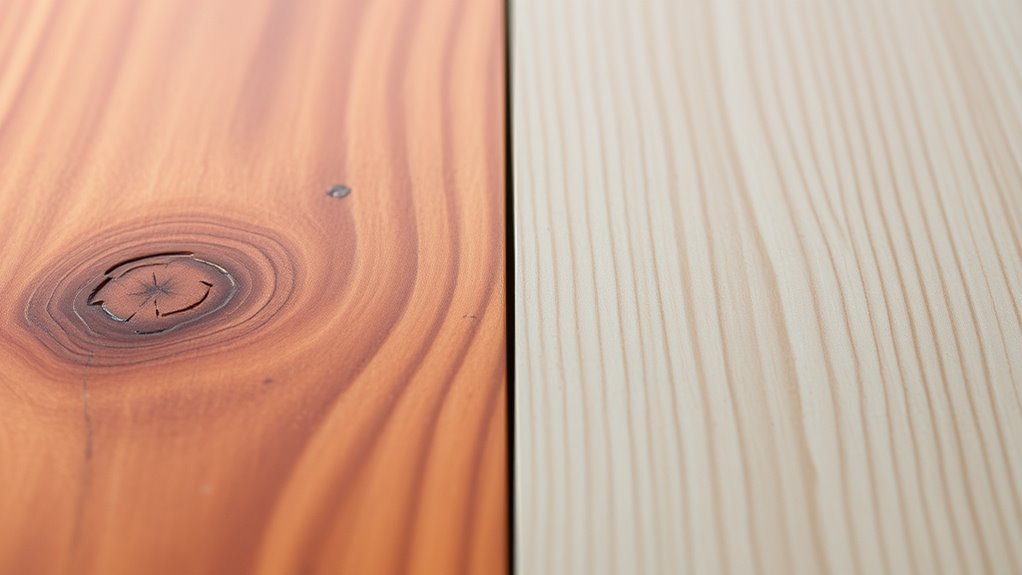
Several factors directly impact the long-term performance and care requirements of cedar and hemlock wood. One key aspect is wood grain, which affects how the wood reacts to weathering and wear. A tight, uniform grain generally resists cracking and splitting better over time. Another critical factor is color retention; cedar tends to hold its warm hue longer, especially when properly sealed, while hemlock may fade more quickly if exposed to sunlight. Additionally, the wood’s exposure to moisture, maintenance routine, and finishing treatments influence how well it ages. Proper cleaning, sealing, and periodic reapplication of protective coatings help preserve both wood grain integrity and color, ensuring your investment lasts longer and maintains its aesthetic appeal. Regular inspections and understanding energy efficiency principles can also help optimize maintenance routines and extend the lifespan of your wood.
Making an Informed Choice Based on Your Specific Needs
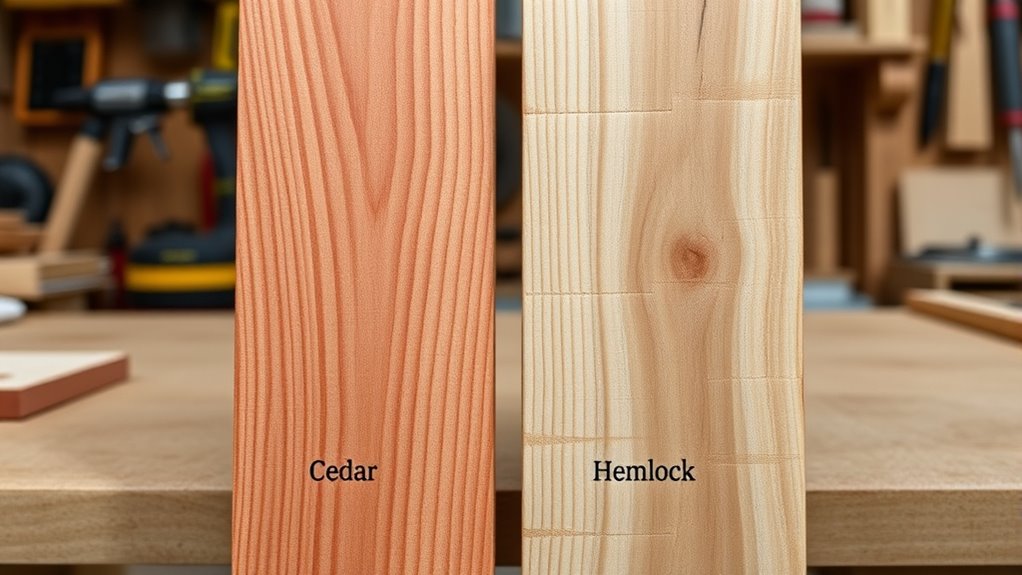
Choosing between cedar and hemlock hinges on your specific needs and expectations. Consider how wood treatment options affect durability and appearance, and evaluate the environmental impact of each choice. Your decision should align with your maintenance willingness and environmental values.
Ask yourself:
- Do you prefer natural wood or treated finishes?
- How important is sustainability and eco-friendliness?
- Will you prioritize low-maintenance materials?
- Are you concerned about long-term environmental impact?
- What’s your budget for initial costs and ongoing care?
Cedar often requires less treatment, but may have a higher environmental impact due to harvesting practices. Hemlock may need more wood treatment but can be more sustainable. Making an informed choice means weighing these factors against your specific needs and values.
Frequently Asked Questions
How Do Climate and Weather Affect Cedar and Hemlock Longevity?
Weather impact and climate resilience directly affect cedar and hemlock longevity. Hot, humid climates can cause faster decay and mold in both woods, while cold, wet weather may lead to rot if not properly treated. Cedar generally offers better climate resilience due to its natural oils, making it more resistant to weather impact. To maximize longevity, you need to take into account your local climate and choose the right wood accordingly.
Are There Eco-Friendly Treatment Options for Cedar or Hemlock?
Yes, you can choose eco-friendly preservatives and natural treatment options for cedar or hemlock. Look for products made from non-toxic, biodegradable ingredients like borates or plant-based oils, which safeguard your wood without harmful chemicals. These eco-friendly preservatives help extend the lifespan of your wood while minimizing environmental impact. By opting for natural treatments, you guarantee your cedar or hemlock stays durable and beautiful, all while being environmentally responsible.
What Are the Cost Differences Over the Lifespan of Each Wood Type?
You’ll find that cedar generally costs more upfront than hemlock, but its durability can lower long-term maintenance costs. Hemlock starts cheaper but may require more frequent treatments or repairs, increasing upkeep expenses over time. The price comparison depends on your project’s duration, with cedar often being more cost-effective in the long run due to its resistance to decay. Consider maintenance costs carefully to determine the better investment for your needs.
How Does Pest Resistance Vary Between Cedar and Hemlock?
Think of cedar as a fortress and hemock as an inviting garden. Cedar’s natural pest resistance acts like a shield, repelling insects and reducing vulnerability. Hemlock, on the other hand, is more susceptible to pests, making it more insect vulnerable. If you want a worry-free, insect-resistant choice, cedar stands tall as your best defender. Hemlock may need extra attention, like tending a delicate garden threatened by pests.
Can Cedar or Hemlock Be Painted or Stained Effectively?
Yes, you can paint or stain cedar and hemlock effectively, but it’s important to take into account wood staining and paint compatibility. Cedar’s natural oils can sometimes resist paint, so prepping the surface well and choosing high-quality, exterior-grade paint or stain is essential. Hemlock may absorb stain more uniformly, but always test a small area first. Proper preparation ensures your finish lasts longer and looks great.
Conclusion
Ultimately, choosing between cedar and hemlock comes down to your unique needs—and sometimes, the right choice surprises you. You might find that a well-maintained hemlock deck ages gracefully, just like cedar, or that cedar’s natural oils protect it better than myths suggest. It’s funny how facts and myths often cross paths, reminding you that what truly matters is understanding your specific environment and commitment to care. Trust your research—your perfect wood match might just be closer than you think.