
Avoid cold plunges if you have injuries, significant inflammation, or circulatory issues, as they can worsen these conditions by reducing blood flow and masking pain. If you’re overtrained, tired, or experiencing symptoms like numbness, dizziness, or chest pain, cold immersion could do more harm than good. Individuals with heart problems should be especially cautious. Want to discover safer recovery options and how to recognize when cold water might be dangerous? Keep exploring to learn more.
Key Takeaways
- Avoid cold plunges during intense soreness or suspected tissue injuries to prevent worsening inflammation and delay healing.
- Do not cold plunge if experiencing dizziness, numbness, chest pain, or irregular heartbeat signs.
- Cold immersion is unsafe for individuals with circulatory or heart conditions due to vasoconstriction risks.
- Refrain from cold plunging when overtrained or fatigued, as it can hinder muscle recovery and prolong soreness.
- Use alternative recovery methods like gentle stretching, hydration, and nutrition instead of cold immersion in risky conditions.

Cold Water Immersion: A Complete Guide to Using Ice Baths for Muscle Recovery and Pain Relief, Improve Circulation, and Boost Immune System (Cold Exposure Mastery Book 4)
As an affiliate, we earn on qualifying purchases.
As an affiliate, we earn on qualifying purchases.
When Cold Water Immersion Can Worsen Inflammation or Injuries
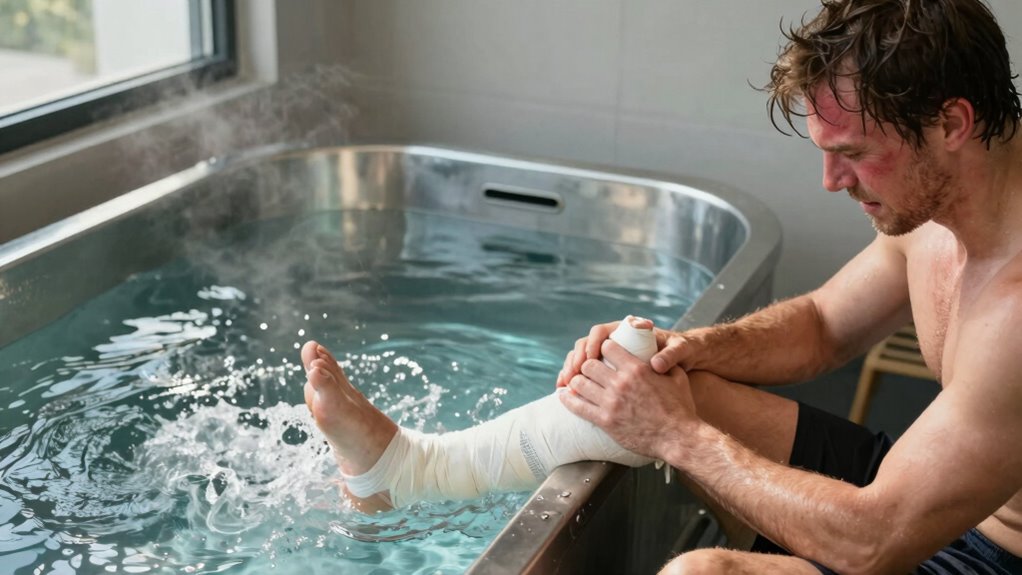
Cold water immersion isn’t always helpful; in fact, it can sometimes make inflammation or injuries worse. If you experience intense muscle soreness or suspect an injury, plunging into cold water might hinder your immune response instead of aiding recovery. Cold exposure can reduce blood flow, which may slow the delivery of nutrients needed for healing and waste removal. For injuries involving swelling or tissue damage, ice baths might mask pain but don’t address underlying problems, potentially prolonging recovery. Additionally, if your immune response is already compromised or if inflammation is part of your body’s healing process, cold water could suppress necessary immune activity. Understanding the importance of self-care is crucial before using cold immersion—sometimes, resting or gentle movement is a better choice. Furthermore, understanding the pollution impact of textile care can help you make more informed choices about your recovery methods and their environmental effects. Ultimately, recognizing the importance of adaptation in recovery strategies can lead to more effective and personalized approaches. Moreover, maintaining color accuracy in your recovery practices can enhance your overall wellbeing. Incorporating regional flavors from coffee and tea can also play a role in your post-workout nutrition, providing antioxidants that support recovery.

Coach Soak Recovery Bath Soak – Alternative to Epsom Salt Bath Soak – Fast-Absorbing Pure Magnesium Flakes & Dead Sea Salt with 21 Minerals, Bath Salts & Essential Oils – 3 lb, Eucalyptus Tee Tree
- Recovery Bath Alternative: Supports muscles and joints with magnesium
- High Magnesium Content: Over 42,330mg of magnesium per cup
- Relaxing Bath Rituals: Dissolves easily for soothing soaks
As an affiliate, we earn on qualifying purchases.
As an affiliate, we earn on qualifying purchases.
Signs That Cold Plunging Isn’t Right for You
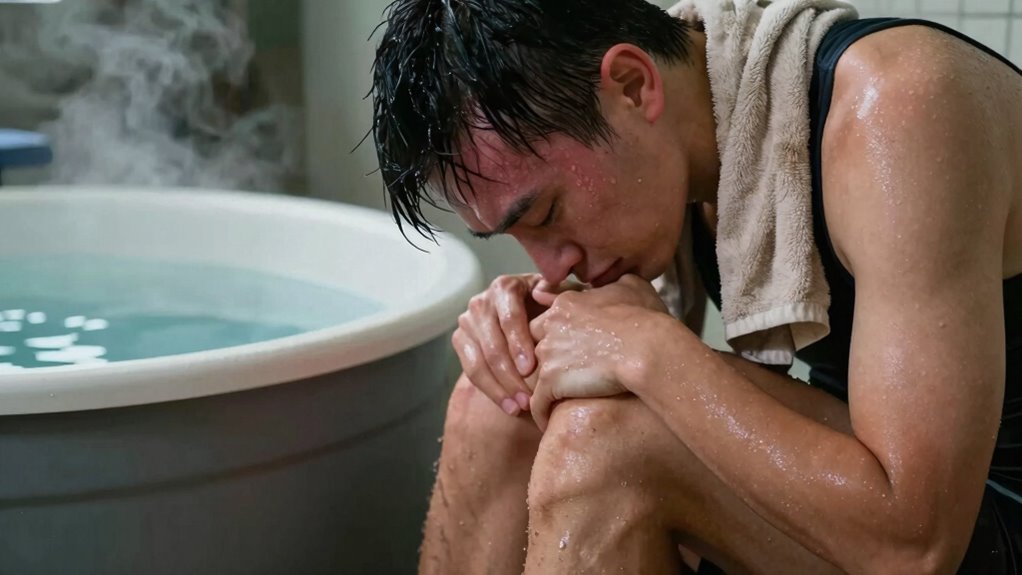
While cold plunging can aid recovery for some, there are clear signs it might not be suitable for you. Many hydrotherapy myths suggest cold plunge benefits are universal, but if you experience persistent shivering, numbness, or extreme discomfort during or after a cold plunge, it’s a warning sign you should stop. Your body’s response is key—if cold exposure leaves you feeling worse, not better, it’s a clear indicator that cold plunging isn’t right for you. Also, if you have underlying health issues like cardiovascular problems or circulation concerns, cold water immersion can exacerbate these conditions. Pay attention to how your body reacts; discomfort or adverse symptoms mean cold plunges may do more harm than good. Additionally, understanding the body’s recovery mechanisms can help you determine whether cold exposure is beneficial for you.

TriggerPoint Grid 1.0 Foam Roller – 13" Multi-Density Massage Roller for Deep Tissue & Muscle Recovery – Relieves Tight, Sore Muscles & Kinks, Improves Mobility & Circulation – Targets Key Body Parts
- Enhances Muscle Recovery: Promotes tissue aeration and blood flow
- Comfortable Foam Construction: Distrodensity Zones for sore muscles and soft tissue
- Customizable Massage Experience: Varying ridges and nodules for targeted relief
As an affiliate, we earn on qualifying purchases.
As an affiliate, we earn on qualifying purchases.
Why Cold Plunges Might Be Harmful When You’re Tired or Overtrained
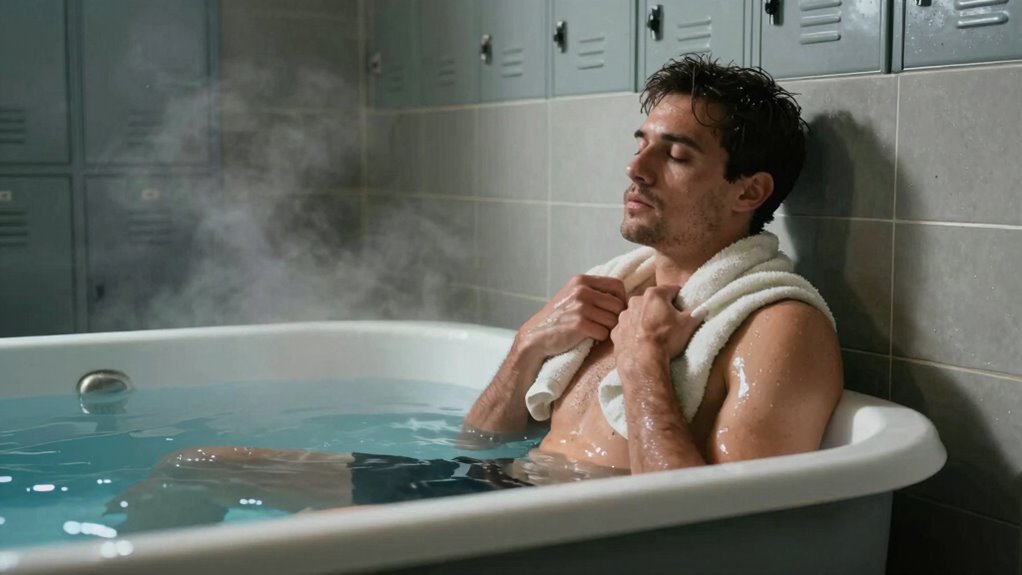
When you’re tired or overtrained, cold plunges can actually hinder muscle recovery instead of helping it. The cold may suppress inflammation temporarily, but it can also slow down the healing process. This increases your risk of injury and prolongs your overall recovery time. Understanding the importance of effective recovery methods is crucial for athletes and fitness enthusiasts alike. Incorporating techniques such as foam rolling can significantly enhance recovery and improve HRV. Additionally, using proper heating methods can help maintain a conducive environment for recovery. It’s crucial to find trusted resources that provide guidance on effective recovery methods, as even approaches like yarn weight can be essential in understanding how different recovery techniques work for your body.
Suppressed Muscle Recovery
Ever wondered why plunging into cold water after intense workouts might backfire on your recovery? Cold plunges can actually suppress muscle recovery, especially when you’re already tired or overtrained. When your muscles are exhausted, applying cold therapy can reduce inflammation temporarily but might also hinder the natural repair process. This suppression can increase muscle soreness and slow down recovery efficiency, leaving you feeling sluggish longer. Instead of promoting healing, cold water immersion at this stage may prevent your muscles from rebuilding properly. If you’re feeling worn out or overtrained, it’s better to skip the cold plunge and focus on gentle active recovery or proper nutrition to support muscle repair. Cold therapy isn’t always the best choice when your body is already in a delicate recovery state.
Increased Injury Risk
Pushing your body too hard without adequate recovery can increase the risk of injury, and cold plunges may make this worse. When you’re tired or overtrained, your muscles are already stiff, making you more prone to strains or tears. Cold immersion can temporarily mask pain and numb soreness, leading you to push through discomfort and risking further damage. Additionally, cold plunges can impair mental alertness, reducing your ability to recognize warning signs of injury or fatigue. This diminished awareness might cause you to ignore early symptoms, worsening the problem. If you’re exhausted or overtrained, diving into a cold plunge could hinder your body’s natural recovery process and increase injury risk. It’s best to avoid cold therapy until you’re fully rested and your muscles have regained flexibility. Furthermore, understanding proper gear care** can help you maintain your cycling performance and reduce the likelihood of injuries.

Pure Kick Hydration Electrolyte Drink Mix Variety Pack, 20 Packets
- Variety of Flavors: Four bold flavors in one box
- Guilt-Free Hydration: Zero sugar, 5 calories per stick
- Supports Mineral Intake: Provides essential minerals like Zinc and Manganese
As an affiliate, we earn on qualifying purchases.
As an affiliate, we earn on qualifying purchases.
Medical Conditions That Make Cold Water Unsafe
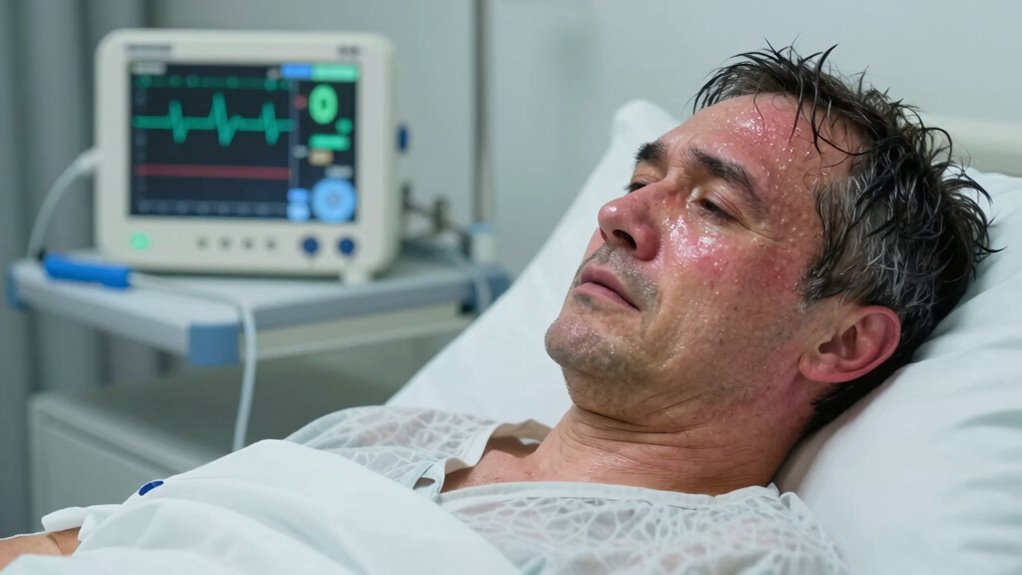
If you have a heart condition or circulatory issues, exposing yourself to cold water can be dangerous. Cold temperatures cause blood vessels to constrict, which can strain your heart and worsen your condition. Always check with your doctor before trying cold water recovery methods if you have these health concerns. Additionally, Bollywood culture and fitness often emphasize the importance of understanding your body’s limits before engaging in extreme recovery techniques. Studies show improved circulation through hydrotherapy techniques, which can be beneficial for those seeking safer recovery options. Furthermore, understanding the importance of customer service in various industries, like precious metals investments, underscores the need for support when navigating health and wellness choices. Individuals with Borderline Personality Disorder may also experience heightened emotional responses that can complicate their recovery process. Engaging with new experiences can foster a growth mindset, essential for personal development and recovery.
Heart Conditions Warning
Sure! Here’s the revised content with the addition:
—
Did you know that cold water can pose serious risks for individuals with certain heart conditions? If you have a history of heart disease, cold plunges may trigger irregular heartbeats or sudden blood pressure drops. Visualize your heart racing, muscles tightening, and your blood vessels constricting sharply—these reactions can be dangerous. Cold water immersion can also affect your mental health by increasing stress levels or causing panic, especially if you’re already anxious about your health. To stay safe, focus on hydration tips that support your recovery without risking your heart. Additionally, proper enterprise governance can help ensure that any health monitoring tools you use are secure and reliable. Avoid cold plunges if you experience chest pain, dizziness, or irregular heartbeat, and always consult your doctor. Moreover, individuals with heart conditions should be aware that extreme temperatures can impact electric dirt bike performance as well. It’s important to remember that necessary cookies enhance website functionality, which can be vital for accessing health resources online. Prioritize your health and listen to your body to prevent complications. Staying aware of trust issues can also help maintain emotional well-being during your recovery process.
—
Feel free to let me know if you need any more changes!
Circulatory System Risks
Sure! Here’s the revised content incorporating your instructions:
—
People with circulatory system conditions face heightened risks when exposed to cold water. Cold plunges can cause sudden changes in blood pressure, risking spikes or drops that strain your heart. Cold exposure constricts blood vessels, reducing blood flow to critical organs and extremities. If you have hypertension or vascular issues, this constriction can worsen your condition, increasing the risk of complications like blood clots or fainting. Additionally, cybersecurity tactics used in high-stress environments can mirror the body’s response to cold exposure, emphasizing the need for careful monitoring. Rapid shifts in blood pressure and impaired blood flow make cold water unsafe for many with circulatory concerns. It’s crucial to consult your healthcare provider before attempting cold plunges if you have any circulatory system issues. Prioritizing your safety ensures you avoid unintended health setbacks during post-workout recovery. Additionally, understanding the cultural significance of traditional practices, such as cold water immersion in various cultures, may provide insights into its effects on health. Cold plunges can also trigger vasoconstriction response, which may exacerbate existing circulatory problems and lead to further complications.
—
Let me know if you need any more adjustments!
How to Know if Cold Water Isn’t Safe for You
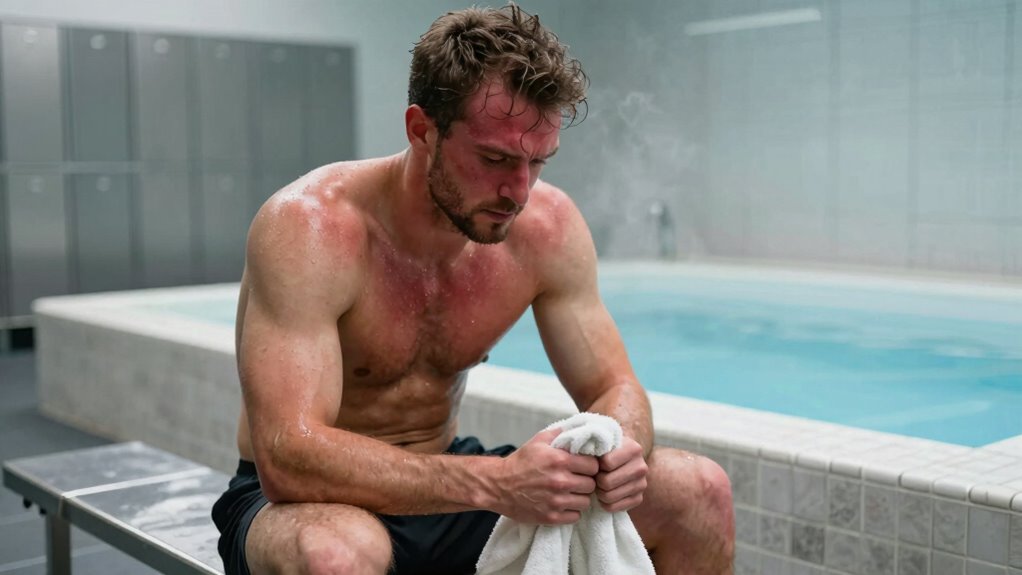
Cold water immersion can be beneficial after a workout, but it’s essential to recognize when it might not be safe for you. Many fall for hydrotherapy myths or believe cold exposure misconceptions that overlook personal health risks. If you experience symptoms like dizziness, chest pain, or numbness, it’s a sign to stop immediately. Also, avoid cold plunges if you have cardiovascular issues or circulation problems. Visualize icy water chilling your skin, muscles tightening sharply, and a sudden rush of cold that could overload your system.
- Shivering uncontrollably, feeling weak or disoriented
- Cold-induced chest pain or irregular heartbeat
- Numbness or tingling that doesn’t subside quickly
Stay cautious and listen to your body to prevent adverse effects from cold exposure misconceptions.
Better Recovery Strategies When Cold Plunging Isn’t Recommended
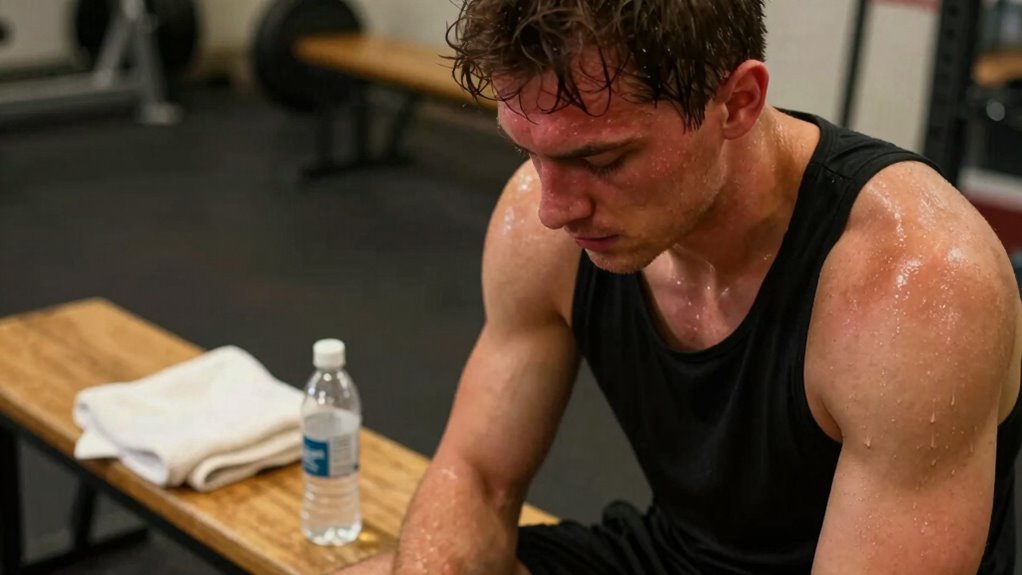
When cold plunging isn’t an option, exploring alternative recovery methods can still help your muscles heal and reduce soreness effectively. Incorporate alternative stretching into your routine to improve flexibility and promote blood flow, which aids muscle repair. Gentle dynamic stretches right after your workout can loosen tight muscles and prevent stiffness. Additionally, focus on nutrient timing—consuming protein and carbohydrates within the first hour post-exercise supports muscle recovery and replenishes glycogen stores. Hydration also plays an essential role in recovery, so drink plenty of water. While cold plunges have their benefits, these strategies can offer effective alternatives, especially when cold water immersion isn’t suitable. Consistent application of these methods ensures your body recovers efficiently, preparing you for your next workout.
Frequently Asked Questions
Can Cold Plunges Affect Mental Health or Mood?
Cold plunges can influence your mental health impacts and mood regulation. If you’re sensitive to cold, they might cause discomfort or anxiety, negatively affecting your mood. For some, sudden cold exposure can lead to stress or irritability. However, others find that cold plunges boost their mood and mental clarity. It’s important to listen to your body and consult with a healthcare professional if you notice adverse mental health effects.
How Long Should I Avoid Cold Plunging After Injury?
You should avoid cold plunging immediately after an injury, especially during the initial healing phase, to prevent disrupting blood flow and delaying injury healing. If you have cold sensitivity or experience increased pain or swelling, it’s best to hold off. Cold exposure can constrict blood vessels, which might slow down recovery. Always consult with a healthcare professional before cold plunging following an injury to guarantee it’s safe for your specific situation.
Are There Age Limits for Safe Cold Water Immersion?
Age restrictions for safe cold water immersion vary based on individual cold tolerance, but generally, older adults should approach with caution. You might have reduced cold tolerance as you age, making it riskier to endure extreme temperatures. If you’re over 65 or have health issues like cardiovascular problems, consult your doctor before trying cold plunges. Always listen to your body, and avoid cold water if you feel uncomfortable or experience adverse symptoms.
What Are Alternative Recovery Methods for Injury-Prone Athletes?
As an injury-prone athlete, you can try active recovery methods like gentle stretching, foam rolling, and light aerobic exercises to promote muscle relaxation and boost circulation. Yoga and massage therapy also help ease tension and improve blood flow. These alternatives avoid the risks of cold plunges while effectively aiding recovery. Incorporate these into your routine to support muscle health and reduce injury risk without compromising recovery.
Can Cold Plunges Interfere With Certain Medications?
An ounce of prevention is worth a pound of cure. Cold plunges can interfere with certain medications by affecting medication interactions and the immune response. If you’re on drugs that influence circulation or immune function, plunging might diminish their effectiveness or cause adverse reactions. Always consult your healthcare provider before cold plunging, especially if you take medication regularly. Your health should come first—listen to your body and medical advice.
Conclusion
Remember, cold plunges are like a double-edged sword—you can reap the benefits or get hurt if you’re not careful. If your body’s telling you to hold off, don’t ignore the warning signs. Think of recovery as tending a delicate garden; sometimes, a gentle hand and alternative methods nurture growth better than a harsh frost. Listen to your body, choose wisely, and you’ll keep your fitness journey thriving, not frozen in place.