To guarantee your basement or underground sauna stays fresh and safe, focus on balanced ventilation with proper placement of intake and exhaust vents—intake low near the floor and exhaust high near the ceiling. Keep vents clear and consider mechanical fans or air purifiers to reduce odors and moisture buildup. Regular maintenance helps prevent mold and damage, making your space more comfortable. Exploring these factors further can help you optimize your ventilation system for long-lasting safety and performance.
Key Takeaways
- Ensure balanced airflow with low-mounted intake vents and high-mounted exhaust fans to prevent moisture buildup.
- Use powered exhaust systems or air purifiers with carbon filters to control odors and humidity effectively.
- Maintain unobstructed ventilation pathways, regularly cleaning filters and inspecting fans for optimal performance.
- Incorporate automatic humidity or air quality sensors for responsive ventilation management.
- Design sustainable, energy-efficient ventilation solutions to enhance safety, longevity, and comfort in basement or underground saunas.
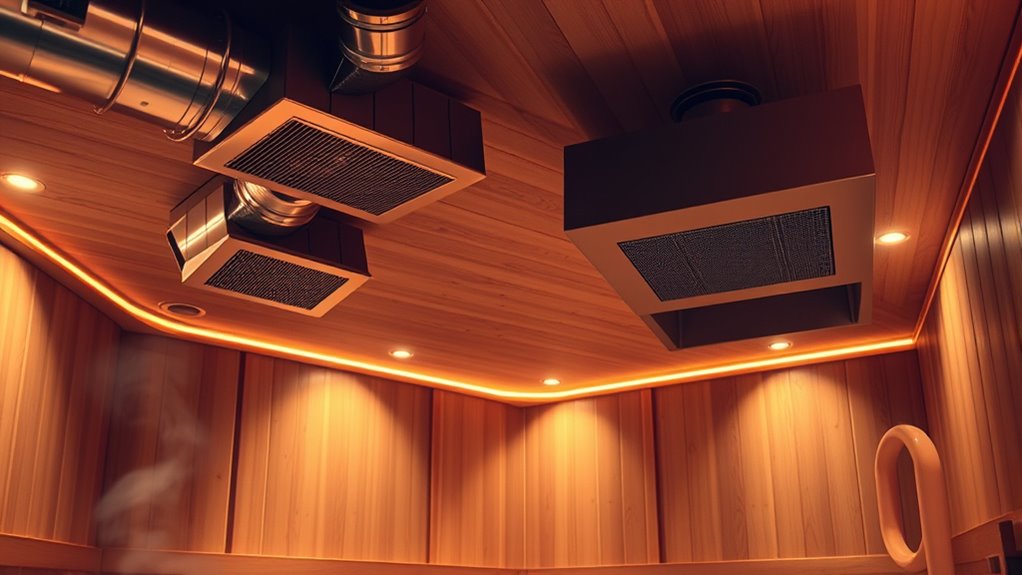
Proper ventilation is vital for maintaining a healthy and comfortable basement and sauna environment. When you’re setting up or maintaining these spaces, good air circulation isn’t just a luxury—it’s a necessity. Without proper airflow, moisture can build up, leading to mold growth and structural damage. Additionally, poor air circulation can cause unpleasant odors to linger, making the space uncomfortable and uninviting. You need a ventilation system that guarantees fresh air continuously replaces stale air, keeping the environment clean, dry, and odor-free.
Proper ventilation ensures fresh, dry air and prevents mold and odors in your basement or sauna.
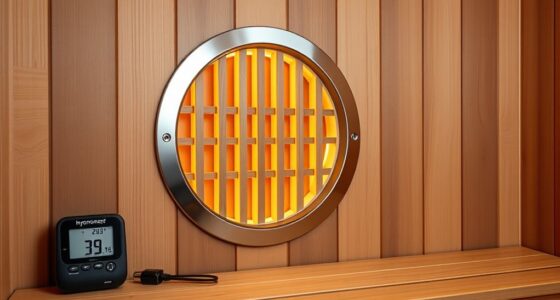
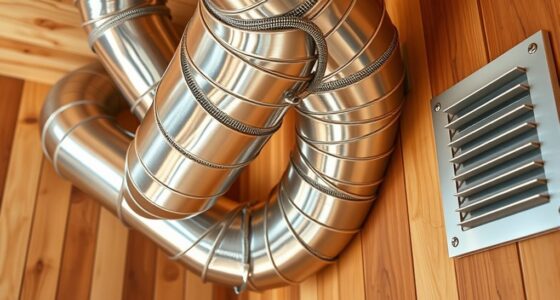
In a basement or underground sauna, you should focus on creating a balanced airflow. This means designing your ventilation so that fresh air enters the space, while stale, humid air exhausts efficiently. Typically, this involves installing intake vents low on the walls or near the floor, where cooler, fresh air can enter. Exhaust vents or fans should be positioned higher up, preferably near the ceiling, to draw out warm, moist air that naturally rises. This setup promotes a steady air exchange, preventing stagnation and reducing the likelihood of mold or mildew development. When you manage air circulation properly, you’re actively controlling odors as well. Odors tend to become trapped in enclosed spaces, especially when humidity levels are high. Adequate ventilation continually pushes out these smells, replacing them with fresh air and maintaining a pleasant environment.
Considering your specific needs, you might opt for powered exhaust fans or mechanical ventilation systems that operate automatically based on humidity or air quality sensors. These systems can help maintain ideal conditions without requiring constant manual adjustments. If your sauna or basement is particularly small or poorly ventilated, adding an air purifier with a carbon filter can further improve odor control. This filter captures airborne particles and absorbs smells, complementing your ventilation system’s efforts.
Don’t forget to ensure that your ventilation pathways are unobstructed. Keep vents clear of dust, debris, or furniture that might block airflow. Regular maintenance, such as cleaning filters and inspecting fans, is vital for consistent performance. Properly designed ventilation not only keeps the air fresh but also safeguards your space from moisture-related issues that could compromise its integrity over time. By prioritizing efficient air circulation and odor control, you create a safer, more inviting environment where you can enjoy your basement or sauna without concerns about dampness or lingering smells. Additionally, incorporating sustainable ventilation solutions can further reduce energy consumption and environmental impact.
Top picks for "ventilation consideration basement"
Open Amazon search results for this keyword.
As an affiliate, we earn on qualifying purchases.
Frequently Asked Questions
How Often Should Sauna Ventilation Systems Be Inspected?
You should inspect your sauna ventilation system at least once every three to six months. Regular checks help guarantee proper humidity control and effective air exchange, preventing mold and odors. Look for signs of blockages or wear, clean filters, and verify that vents are functioning correctly. Consistent inspections maintain a healthy environment, improve air quality, and extend the lifespan of your sauna’s ventilation system.
Can Poor Ventilation Cause Health Issues in Saunas?
Poor ventilation in your sauna is like trapping fog inside a glass—air quality drops, and moisture builds up. This can lead to health issues like mold growth, respiratory problems, or skin irritation. Without proper moisture control and fresh air circulation, you risk creating an unhealthy environment. To stay safe, make certain your ventilation system works well, providing a steady flow of clean air and managing humidity levels effectively.
What Are the Signs of Inadequate Basement Sauna Ventilation?
You’ll notice signs of inadequate basement sauna ventilation through poor air quality and excess moisture. If the air feels stuffy, stale, or smells unpleasant, it indicates insufficient airflow. You might also see condensation or mold buildup on walls and ceilings, signaling moisture control issues. These problems can lead to health risks and structural damage, so guarantee proper ventilation to maintain fresh air and regulate humidity effectively.
Is It Necessary to Install an Exhaust Fan in Underground Saunas?
You should consider installing an exhaust fan in underground saunas to meet ventilation standards and maintain proper air exchange rates. Without it, you risk lingering humidity and odors that can dampen your experience. An exhaust fan helps remove excess moisture and guarantees fresh air circulates, creating a healthier, more inviting environment. Prioritizing effective ventilation safeguards your sauna’s longevity and your comfort, making every session truly enjoyable.
How Does Ventilation Impact Sauna Odor Control?
Proper ventilation plays a key role in controlling sauna odors. You need to optimize airflow to guarantee fresh air circulates effectively, which helps remove lingering smells and humidity buildup. When airflow is well-managed, humidity stays in check, preventing mold and musty odors. By maintaining good ventilation, you create a more pleasant environment, making your sauna experience more enjoyable and hygienic.
Conclusion
Think of your sauna as a delicate ecosystem, much like a garden needing just the right breeze to flourish. Proper ventilation ensures fresh air circulates, preventing moisture buildup and maintaining a healthy environment. Without it, your oasis risks becoming a stagnant, foggy retreat. By paying attention to ventilation, you’re guiding your space toward harmony and longevity—much like a gentle wind guiding leaves through a peaceful forest. Keep the air flowing, and your sauna will thrive for years to come.