
If you feel lightheaded in a sauna, poor airflow might be the culprit. When ventilation isn’t working well, CO2 builds up, and your body gets less oxygen, causing dizziness, nausea, or fatigue. Ensuring good air circulation with vents or natural airflow helps remove CO2 and keeps oxygen levels steady. Keep an eye out for signs of stale air, and if symptoms persist, exploring ways to improve ventilation can make your sauna experience safer and more comfortable.

Get wellness gear delivered free with Prime
- Fast, free delivery on millions of items
- Prime Video, Amazon Music and more included
- Member-only deals all year
Key Takeaways
- Inadequate ventilation causes CO2 buildup, reducing oxygen and leading to dizziness and lightheadedness.
- Elevated CO2 levels increase breathing rate and respiratory fatigue, contributing to feelings of lightheadedness.
- Proper airflow and ventilation remove excess CO2, maintaining oxygen levels and preventing dizziness during sauna use.
- Poor air quality, including stuffy or musty odors, signals stale air buildup, increasing the risk of lightheadedness.
- Effective air circulation techniques, such as strategic vent placement and natural airflow, help ensure fresh air and safer sauna sessions.
As an affiliate, we earn on qualifying purchases.
Why Do I Feel Lightheaded After Sauna Sessions?
Feeling lightheaded after a sauna session is a common experience, and it often happens because your body is reacting to the heat and changes in blood flow. When you’re in a sauna, humidity control plays a key role in how your body responds; high humidity can make the heat feel more intense, causing your blood vessels to dilate and blood pressure to drop. Temperature regulation is also vital—your body works hard to cool down by sweating and increasing blood flow to the skin. If your body struggles to maintain this balance, you might feel dizzy or lightheaded. Staying hydrated and listening to your body helps prevent these sensations, but understanding how humidity and temperature control influence your body is essential for safe sauna use. Additionally, incorporating eco-friendly practices in your wellness routines can enhance your overall sauna experience. It’s also important to note that proper hydration before and after sauna use can significantly impact your comfort and safety during sessions. Maintaining indoor air quality in your sauna environment can further support your wellbeing and reduce discomfort. Extreme temperature changes can affect your cardiovascular health, so being mindful of how your body reacts is crucial. Engaging in sustainable health practices can also promote a more balanced approach to your overall wellness during sauna use.
As an affiliate, we earn on qualifying purchases.
How CO2 Buildup Can Cause Dizziness in Saunas
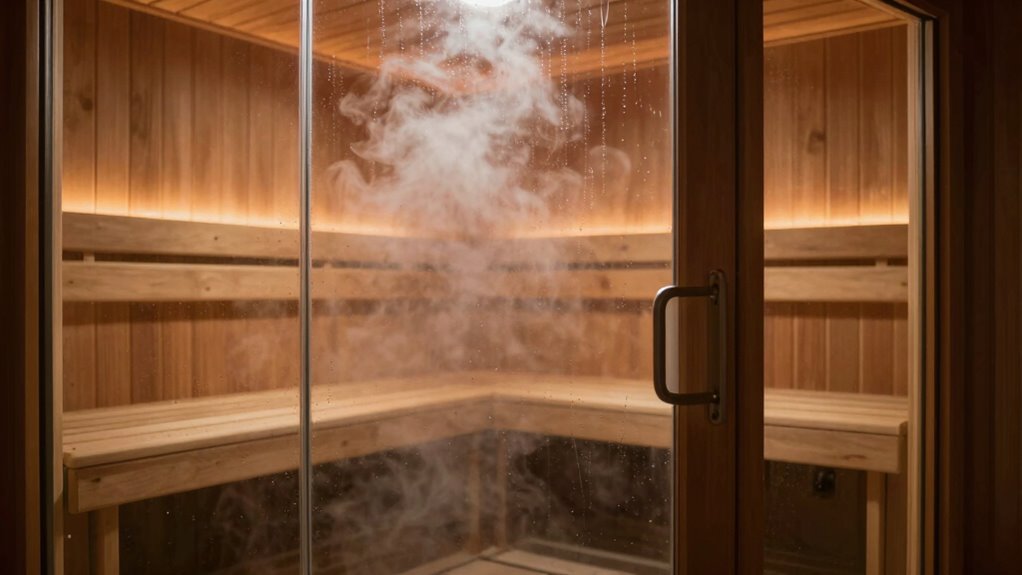
As you spend time in a sauna, carbon dioxide (CO2) can gradually accumulate in the enclosed space, especially if ventilation is inadequate. This carbon dioxide buildup reduces the amount of fresh air you breathe in, which can lead to respiratory fatigue. With less oxygen available, your body struggles to get enough oxygen to support your muscles and brain. As a result, you may start feeling dizzy, lightheaded, or even nauseous. The sensation occurs because your brain isn’t receiving the oxygen it needs, and your body tries to compensate by increasing your breathing rate. Over time, this imbalance worsens, intensifying your symptoms. Proper ventilation helps remove excess CO2, ensuring you breathe fresh air and maintain your sense of balance and well-being in the sauna. Additionally, understanding the effects of water damage on materials can help you prevent any potential issues with sauna construction and maintenance. It’s also beneficial to practice deep breathing techniques to enhance relaxation and mitigate feelings of dizziness. Implementing effective soundproofing solutions in the sauna area can also enhance your overall relaxation experience. Maintaining indoor air quality is crucial for a comfortable sauna environment, especially since systems that allow for future upgrades can also improve ventilation and air quality.
As an affiliate, we earn on qualifying purchases.
The Importance of Good Airflow in Your Sauna
Good airflow is essential to keep your sauna comfortable and safe. Using proper ventilation techniques helps guarantee fresh air circulates and CO2 levels stay low. Regularly maintaining airflow keeps your sauna enjoyable and prevents dizziness or fatigue. Moreover, exploring content formats can provide insights into effective ventilation strategies used in various environments. Additionally, ensuring effective filtration is critical for maintaining air quality and preventing discomfort in enclosed spaces. Incorporating proper ventilation techniques can significantly enhance the overall sauna experience by promoting optimal air circulation. Furthermore, implementing energy-saving practices can help maintain a balanced environment that further supports air quality and comfort. A well-ventilated sauna can also contribute to a sense of enchanting ambiance that enhances relaxation and enjoyment.
Proper Ventilation Techniques
Proper ventilation is essential for maintaining a healthy and comfortable sauna environment, ensuring fresh air circulates effectively. Good airflow prevents stale air buildup, helps disperse CO2, and enhances aromatherapy benefits. It also supports ideal sauna lighting, creating a relaxing atmosphere. To achieve proper ventilation, position vents strategically and regularly check airflow. Using foam rolling techniques can also support recovery and enhance overall well-being after your sauna session. Additionally, implementing smart home safety features can help monitor air quality in your sauna for a more enjoyable experience. Proper ventilation not only improves comfort but also reduces the risk of carbon monoxide exposure, which can be a serious concern in poorly ventilated spaces. Moreover, smart home technology can assist in ensuring optimal air quality during your sauna sessions. Furthermore, maintaining a balanced environment can enhance the overall health benefits of your sauna experience. Use the following table to understand airflow options:
| Vent Placement | Benefits |
|---|---|
| Lower vents near floor | Circulates cool, fresh air |
| Upper vents near ceiling | Releases warm, stale air |
| Adjustable vents | Customizes airflow as needed |
Maintaining Fresh Air Flow
Maintaining a steady flow of clean air is essential for a safe and enjoyable sauna experience. Good airflow ensures proper air filtration, removing excess CO2 and odors, and helps prevent stuffiness. To optimize airflow, guarantee vents are unobstructed and strategically placed for continuous ventilation. Proper humidity control also plays a role; too much humidity can hinder air movement, while too little can cause dryness. Use fans or ventilation systems that promote consistent air exchange without creating drafts. Regularly monitor air quality and adjust ventilation to maintain fresh, clean air. This not only enhances comfort but also reduces the risk of lightheadedness caused by stale air. Prioritizing airflow maintenance keeps your sauna environment healthy, invigorating, and safe.
As an affiliate, we earn on qualifying purchases.
Signs That Your Sauna’s Air Quality Needs Attention
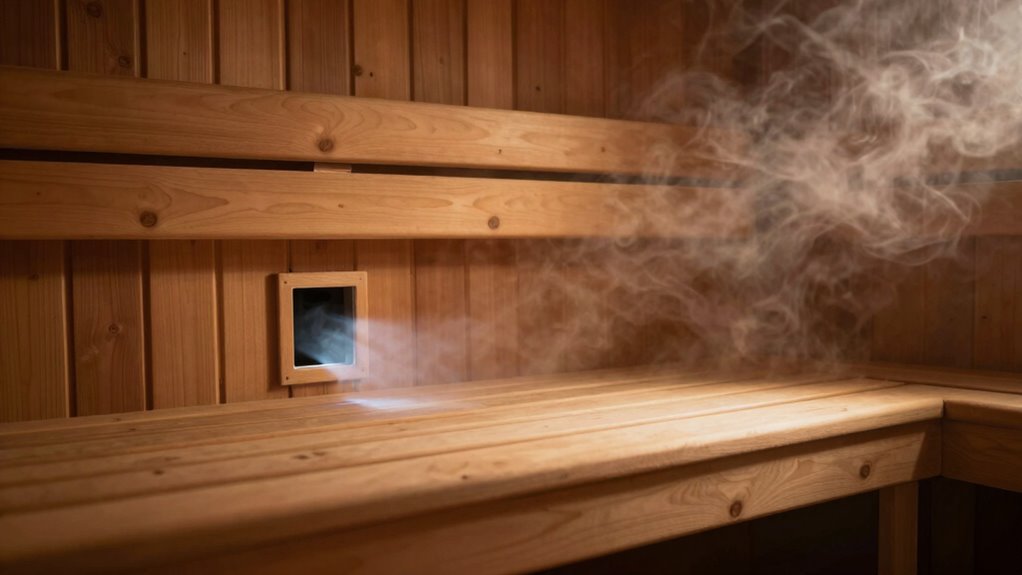
If you notice persistent odors or musty smells lingering after your sauna sessions, it’s a clear sign that the air quality isn’t as fresh as it should be. Poor air quality can diminish aromatherapy benefits, making your experience less relaxing and more uncomfortable. Unpleasant smells often indicate stale or trapped air, which can also impact your health and overall sauna enjoyment. Additionally, if you find that the air feels heavy or stuffy, it’s a sign that sauna maintenance is overdue. Research indicates sound waves can influence brainwave patterns, highlighting the importance of a well-ventilated space for optimal relaxation. To enhance the freshness of your sauna, consider incorporating proper ventilation techniques, which can help you address these signs promptly, ensuring your sauna remains a safe, inviting space where you can fully enjoy the benefits of good airflow and fresh air strategies.
Simple Tips to Improve Sauna Air Circulation
To improve your sauna’s air circulation, start by enhancing your ventilation system to allow fresh air in and stale air out. Make sure vents and fans are unobstructed to maintain clear airflow throughout the space. These simple steps can considerably boost air quality and create a more comfortable sauna experience. Additionally, consider incorporating a bike generator to power small fans, which can help circulate air more efficiently.
Enhance Ventilation System
Improving your sauna’s ventilation system doesn’t have to be complicated. To boost indoor air quality and guarantee proper airflow, consider simple ventilation upgrades. Start by installing intake and exhaust vents at strategic points to promote fresh air circulation. Make certain vents are unobstructed and regularly cleaned. You can also add a small exhaust fan to help remove stale air more efficiently. Additionally, opening a window or door slightly during use can enhance airflow. Proper ventilation reduces CO2 buildup and keeps fresh air circulating.
- Install adjustable vents for better control
- Use a quiet exhaust fan for continuous airflow
- Regularly clean and inspect existing vents
- Incorporate natural airflow by opening windows or doors
Maintain Clear Airflow
Keeping your sauna’s airflow clear is essential for maintaining good air quality and a comfortable environment. Proper ventilation design helps prevent stale air buildup and reduces CO2 levels, making it easier to breathe. To improve circulation, guarantee vents are unobstructed and positioned to promote cross-flow. Regularly open the door or vents to refresh the air, especially during longer sessions. Avoid overcrowding your sauna, as this hampers airflow and lowers air quality. You can also add small fans near vents to boost circulation if needed. Consistent maintenance of your ventilation system ensures fresh air enters and stale air escapes efficiently. By maintaining the airflow clear, you’ll create a healthier, more enjoyable sauna experience with better air quality and ideal ventilation.
How to Prevent CO2 Buildup During Sauna Use
Even though saunas are designed to be relaxing, they can pose risks if carbon dioxide (CO2) levels rise too high. To prevent CO2 buildup, focus on maintaining good air quality and sauna hygiene. Proper ventilation is essential—ensure your sauna has adequate airflow and is well-ventilated before use. Limit the time spent inside, especially if sweating heavily, to reduce CO2 accumulation. Regularly clean the sauna to prevent mold and bacteria, which can affect air quality. Use fresh, clean towels and mats to promote sauna hygiene and minimize contaminants that could impact air circulation. In conclusion, consider adding small fans or vents to improve air exchange, keeping CO2 levels safe and ensuring a more comfortable, healthier sauna experience.
Breathing Techniques to Stay Safe and Comfortable in the Sauna
To stay safe and comfortable in the sauna, mastering proper breathing techniques is essential. Focus on breathing exercises that promote steady, deep breaths, which help regulate your oxygen intake and prevent lightheadedness. Be aware of air quality; if you notice difficulty breathing or dizziness, adjust your breathing or step outside briefly. Practice inhaling slowly through your nose, holding for a few seconds, then exhaling gently.
| Technique | Benefit |
|---|---|
| Deep nasal breathing | Improves oxygen flow |
| Controlled exhalation | Reduces carbon dioxide buildup |
| Regular pauses | Maintains air quality awareness |
When to Talk to a Professional About Sauna Safety
If you experience persistent dizziness, chest pain, or difficulty breathing during or after sauna sessions, it’s important to consult a healthcare professional promptly. These symptoms could indicate underlying health issues or safety concerns related to sauna design and ventilation systems. You should consider seeking advice if you notice:
- Ongoing lightheadedness or nausea
- Unusual heart palpitations
- Inadequate airflow or poor ventilation in your sauna
- Symptoms worsen despite adjusting your sauna use
Poorly designed sauna ventilation or inadequate fresh air circulation can increase CO2 levels, raising risks. A professional can evaluate your sauna’s ventilation systems, recommend improvements, and help you establish safe usage practices. Prioritizing safety ensures you enjoy the benefits of your sauna without risking your health.
Frequently Asked Questions
How Often Should I Ventilate My Sauna for Optimal Air Quality?
You should ventilate your sauna after every session, ideally opening vents or doors for about 10-15 minutes. This guarantees proper air exchange, removing excess CO2 and bringing in fresh air. During longer use or frequent sessions, consider increasing ventilation frequency to maintain ideal air quality. Regularly checking and maintaining your sauna’s ventilation system helps prevent stuffiness and keeps the air fresh, making your sauna experience safer and more enjoyable.
Can Poor Air Quality Affect My Skin or Respiratory Health?
A stitch in time saves nine—poor air quality can harm your skin and respiratory health. Indoor pollution and allergen exposure may cause skin irritation, dryness, or breakouts. Breathing in stale air can lead to respiratory issues, like coughing or wheezing. Ensuring good ventilation helps reduce these risks, keeping your skin healthier and your lungs happier. Don’t wait; fresh air is key to a safer, more comfortable sauna experience.
Are There Specific Sauna Models Better at Maintaining Fresh Air?
Some sauna models excel at maintaining fresh air thanks to thoughtful sauna design and advanced air filtration systems. Look for saunas with built-in ventilation that promote continuous airflow, reducing CO2 buildup. Models featuring high-quality air filters help remove impurities and guarantee cleaner air inside. Prioritize these features when choosing your sauna to enjoy a more comfortable, healthier experience with better air quality, minimizing lightheadedness and enhancing your relaxation.
What Are the Long-Term Effects of CO2 Buildup in Saunas?
Long-term CO2 buildup in saunas can decrease indoor air quality, leading to headaches, fatigue, and potential health issues. You might not notice it right away, but over time, poor ventilation causes CO2 levels to rise, impacting your well-being. To prevent this, you should use CO2 monitoring devices and guarantee proper ventilation. Regularly checking indoor air quality helps you enjoy the sauna safely and avoid adverse health effects.
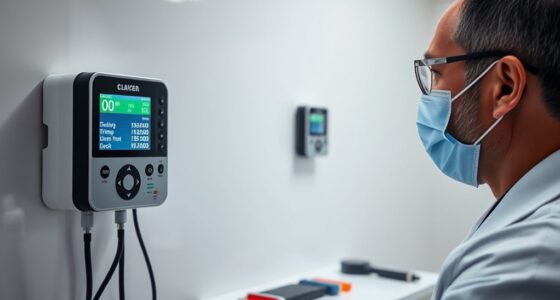
How Do I Measure CO2 Levels in My Sauna Safely?
Did you know that over 80% of indoor air quality issues are linked to CO2? To measure CO2 levels in your sauna safely, you should use reliable CO2 sensors designed for high-temperature environments. These sensors monitor air quality continuously, alerting you if CO2 rises to unsafe levels. Regularly checking with sensors helps guarantee proper ventilation, keeping your sauna both safe and enjoyable.
Conclusion
Remember, your sauna should be a place of relaxation, not discomfort. While the heat offers relief, poor airflow and CO2 buildup can turn your escape into a dizzying ordeal. It’s a stark reminder that safety and comfort go hand in hand—like the calm after the storm. Prioritize good ventilation, listen to your body, and don’t hesitate to seek help if needed. Your well-being is the true heat you should cherish.
Cold & flu season Picks
humidifiers
As an affiliate, we earn on qualifying purchases.