To understand air quality and CO₂ levels in saunas, you should monitor indoor air constantly, as warm and humid conditions can cause CO₂ to accumulate and make you uncomfortable or unwell. Proper ventilation removes excess CO₂ and freshens the air, so regular checks with CO₂ meters or sensors help you keep the environment safe and comfy. Stay aware of outdoor air quality and ensure your ventilation system works well—more details await if you keep exploring.
Key Takeaways
- Proper ventilation removes excess CO₂ and maintains fresh air, ensuring comfort and safety during sauna use.
- CO₂ levels indicate indoor air quality; high levels can cause dizziness and health issues.
- Continuous monitoring with sensors helps detect CO₂ buildup and optimize airflow in real time.
- Outdoor air quality impacts indoor CO₂ levels, requiring adaptable ventilation strategies.
- Regular maintenance and measurement are essential to sustain healthy air quality in saunas.
Saunas are popular for relaxation and health benefits, but understanding their air quality and CO₂ levels is essential for safe use. When you spend time in a sauna, you’re exposed to warm, humid air that can affect how well the space ventilates and how quickly CO₂ accumulates. Ensuring good ventilation efficiency becomes crucial because it directly impacts the air you breathe. Poor ventilation allows CO₂ to build up, leading to discomfort or even health issues if not properly addressed. That’s why knowing how to assess and maintain optimal air quality is vital for your safety and comfort.
To keep the air fresh, it’s important to consider effective ventilation strategies. Proper airflow removes excess CO₂ and replenishes oxygen levels, preventing stuffiness and potential dizziness. You can improve ventilation efficiency by installing or maintaining systems designed specifically for sauna environments, such as exhaust fans or ventilation ducts that promote continuous air exchange. Regularly checking these systems ensures they work as intended, especially since sauna atmospheres are humid, which can sometimes hamper airflow if not properly designed. Additionally, using CO₂ measurement methods helps you accurately monitor indoor air quality, allowing for timely adjustments to ventilation systems.
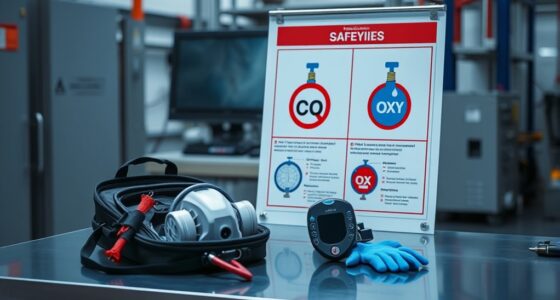
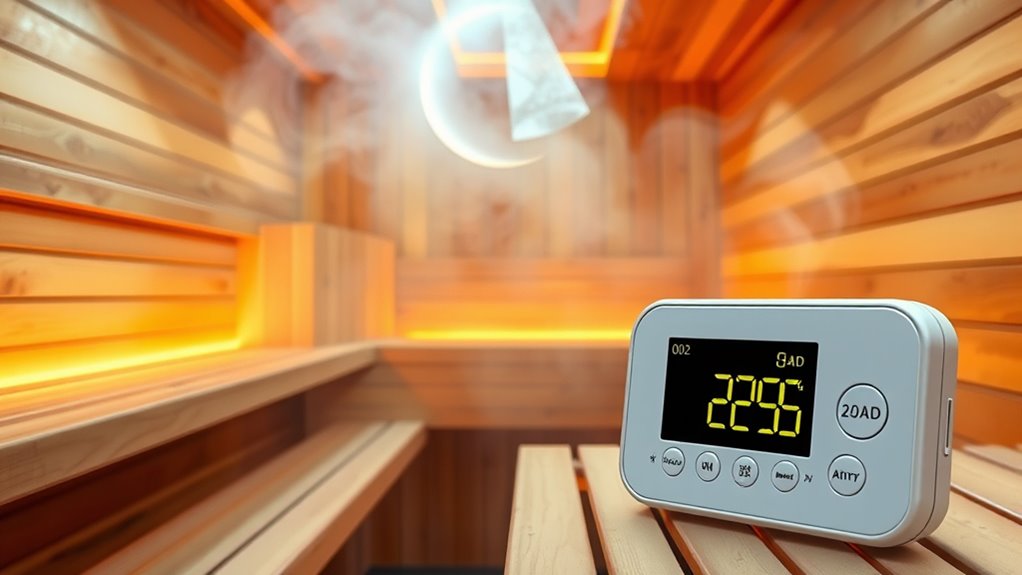
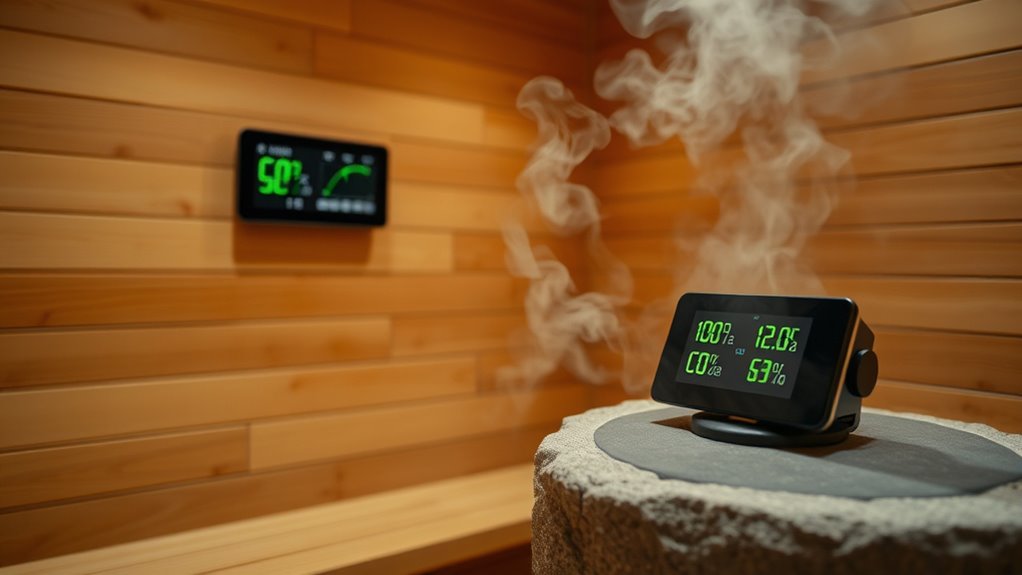
Understanding CO₂ measurement methods helps you monitor indoor air quality accurately. There are several ways to measure CO₂ levels, from simple handheld detectors to more sophisticated sensors integrated into ventilation systems. Handheld CO₂ meters are user-friendly and provide real-time readings, allowing you to quickly assess whether the air quality is within safe limits. Advanced sensors can be installed permanently in the sauna, offering continuous monitoring and automatic adjustments to ventilation as needed. This proactive approach helps you maintain a safe environment, especially in commercial or high-traffic saunas where CO₂ levels can rise quickly.
It’s also worth noting that outdoor air quality influences indoor CO₂ levels. If your sauna is located in a space with poor outdoor air quality, it may require more robust ventilation solutions to prevent CO₂ buildup. Regularly measuring levels with reliable CO₂ measurement methods allows you to identify issues early and adjust your ventilation strategies accordingly. This way, you ensure that the air inside remains fresh and safe, supporting your relaxation and health goals.
Frequently Asked Questions
How Often Should Sauna Air Quality Be Tested?
You should test sauna air quality and CO₂ levels at least once a month to guarantee proper ventilation maintenance. Regular testing helps catch any buildup of pollutants or excess CO₂ early, keeping the environment safe and comfortable. If the sauna is used frequently or shows signs of poor air circulation, increase testing frequency to bi-weekly. Consistent monitoring maintains a healthy atmosphere for everyone enjoying your sauna.
Can Air Quality Affect Sauna Health Benefits?
Air quality absolutely impacts your sauna health benefits. Poor air quality can cause discomfort, dizziness, or headaches, undermining your relaxation and recovery. When the air is clean and well-ventilated, you breathe better, boosting your body’s ability to detox and rejuvenate. So, maintaining good air quality enhances your sauna experience, ensuring you fully enjoy its healing, health-boosting benefits without the risks of pollutants or carbon dioxide buildup.
What Are Common Sources of Indoor Co₂ in Saunas?
You should be aware that common sources of indoor CO₂ in saunas include poor ventilation efficiency and carbon sources like your breath and body heat. When ventilation isn’t adequate, CO₂ accumulates quickly, reducing air quality. To maintain healthy levels, guarantee proper airflow and ventilation systems are in place. This helps keep CO₂ levels low, so you can enjoy the benefits of your sauna safely and comfortably.
How Does Humidity Influence Air Quality in Saunas?
Humidity substantially influences air quality in saunas by affecting air moisture levels. When humidity is well-controlled, it prevents the air from becoming too damp or dry, which can impact breathing and comfort. High humidity can cause mold and bacteria growth, reducing air quality, while low humidity may lead to dryness and irritation. Proper humidity control ensures a healthier, more comfortable environment, keeping air fresh and safe for your sauna experience.
Are There Specific Air Filters Recommended for Saunas?
You should look for sauna filtration systems with specific air filter specifications designed for high humidity and heat. HEPA filters are effective at capturing fine particles, but consider activated carbon filters for odors and gases. Make sure the system is rated for continuous operation and compatible with your sauna’s size. Properly installed sauna air filters improve air quality, reduce pollutants, and ensure a safer, more comfortable experience.
Conclusion
By keeping an eye on air quality and CO₂ levels, you’re like a skilled captain steering your sauna experience through clear, safe waters. When you prioritize proper ventilation, you guarantee each breath feels as fresh as mountain air, turning your sauna into a sanctuary rather than a trap. Remember, a well-ventilated space isn’t just about safety—it’s about embracing every moment of relaxation with the confidence that your environment nurtures your well-being.