To handle and dispose of used plunge pool water responsibly, first test the water to check chemical levels and adjust with neutralizers if needed. Avoid pouring it into storm drains; instead, discharge onto your lawn or garden for natural filtration. Drain gradually to allow pollutants to dilute safely, and follow local regulations for chemically treated water. To learn more about safe disposal methods, continue exploring effective water management tips.

Get wellness gear delivered free with Prime
- Fast, free delivery on millions of items
- Prime Video, Amazon Music and more included
- Member-only deals all year
Key Takeaways
- Test water quality and neutralize chemicals before disposal to ensure safety.
- Gradually drain water onto lawns or gardens for natural filtration.
- Avoid pouring used water into storm drains or natural water bodies.
- Use filtration or treatment methods to remove contaminants prior to disposal.
- Follow local regulations and seek guidance from waste authorities when necessary.
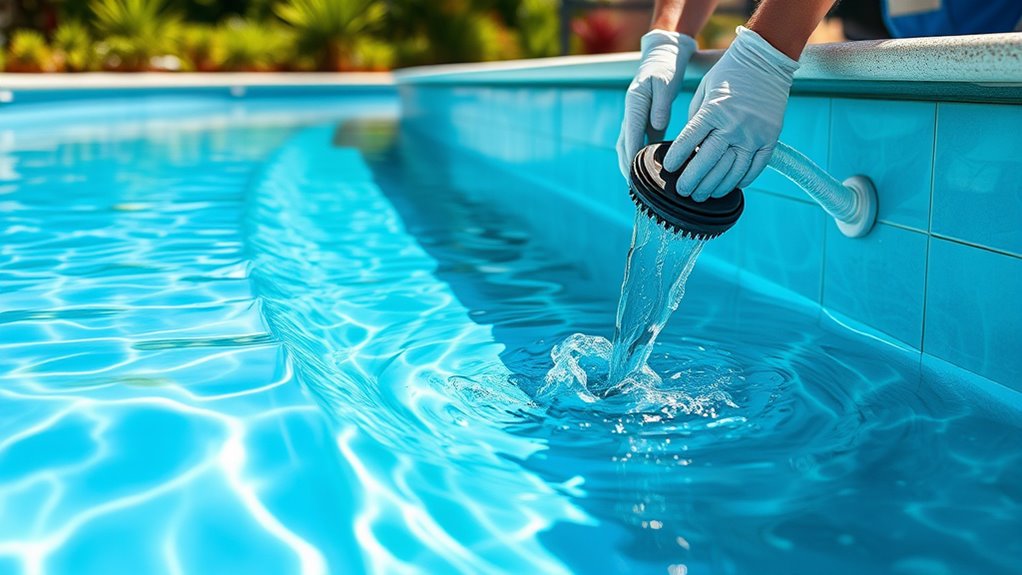
When it’s time to drain your plunge pool, handling and disposing of the used water properly is essential to prevent environmental damage and health hazards. The first step is understanding the importance of water treatment to minimize negative impacts. Used pool water can contain contaminants like algae, bacteria, chemicals, and debris that, if not managed correctly, could harm local ecosystems or pose health risks to others. Before disposal, always test the water quality and consider treating it to reduce pollutants. Simple water treatment methods, such as adding appropriate neutralizers or using filtration systems, can help break down harmful substances and make the water safer for disposal.
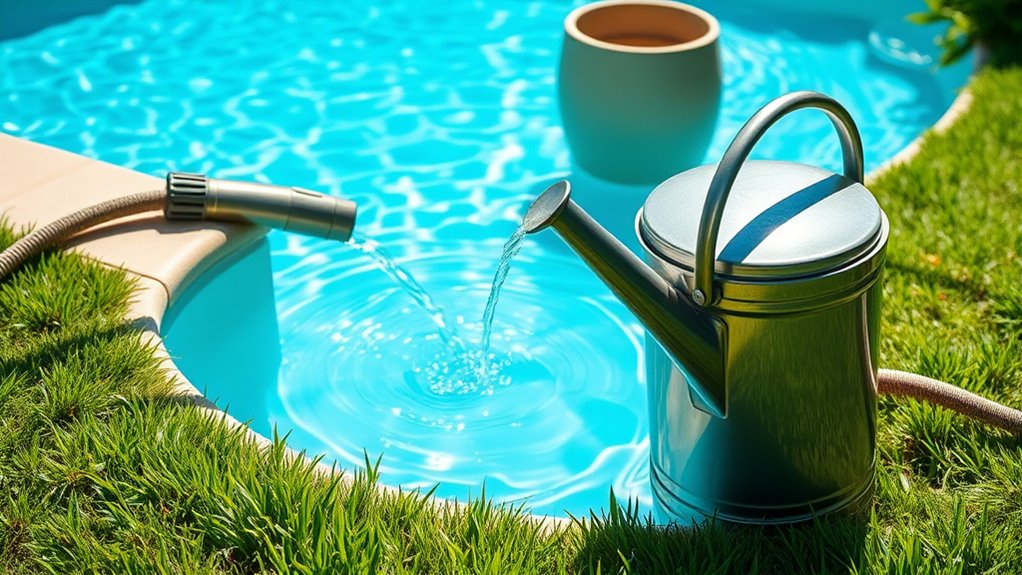
Proper disposal methods are vital in reducing your environmental impact. Avoid pouring used pool water into storm drains, as they lead directly to natural water bodies without filtration. Instead, look for ways to safely discharge the water onto your property, such as onto your lawn or garden, where the soil can naturally filter out chemicals and contaminants. If you’re unsure whether the water is safe, consider contacting local waste management authorities for guidance or to find designated disposal sites. Some areas have specific regulations about disposing of pool water, especially if it contains significant amounts of chlorine or other chemicals.
To further reduce your environmental impact, consider draining the water gradually over time, allowing natural processes to dilute and break down pollutants. This approach also prevents sudden chemical imbalances in nearby water bodies. When refilling your plunge pool, use non-toxic, environmentally friendly products and avoid overusing chemicals. Regular maintenance, including balancing pH levels and removing debris, keeps the water cleaner and easier to treat when needed. Incorporating seasonal checklists for cleaning and maintenance can also help keep your pool water manageable and environmentally safe.
pool water neutralizer for safe disposal
As an affiliate, we earn on qualifying purchases.
As an affiliate, we earn on qualifying purchases.
Frequently Asked Questions
Can Used Plunge Pool Water Be Recycled for Gardening?
Yes, you can recycle used plunge pool water for gardening. First, make certain the water is free of chemicals like chlorine or harsh salts. Then, filter it to remove debris and contaminants. This water can be used for garden reuse, helping your plants thrive while conserving resources. Just make sure to use proper water filtration techniques to keep your garden safe and healthy, avoiding any harm from leftover chemicals.
What Are the Environmental Impacts of Improper Water Disposal?
Ignoring proper disposal is like releasing a poison arrow into nature’s heart, risking water contamination that harms aquatic ecosystems. When you improperly dispose of used plunge pool water, chemicals and debris seep into the environment, disturbing delicate aquatic life and disrupting ecosystems’ balance. Your actions directly impact water quality, threatening wildlife and polluting shared water sources. Handle waste responsibly to protect these essential ecosystems and ensure clean water for all.
Are There Any Legal Restrictions on Disposing of Pool Water?
Yes, there are legal restrictions and disposal regulations you need to follow when disposing of pool water. Local laws often prohibit dumping water with chemicals or contaminants into storm drains or natural water sources. You should check with your city or county regulations to guarantee compliance. Proper disposal methods might include draining into your yard, sewer system, or using approved disposal services, preventing environmental harm and avoiding potential fines.
How Often Should I Test the Water Before Disposal?
Your plunge pool water is so important, it deserves your full attention! You should test it at least once a week before disposal to make certain of safety and compliance. Focus on water testing for pH, chlorine, and other chemicals. Follow disposal guidelines strictly, especially if levels are off. Regular testing helps you avoid environmental harm and legal trouble, keeping your pool clean and your conscience clear.
Can I Use Chemical Neutralizers to Treat Pool Water Before Disposal?
Yes, you can use chemical neutralizers for water treatment before disposal, but only if they’re appropriate for the specific contaminants in your pool water. Neutralizers help to safely reduce harmful substances, making disposal safer and more environmentally friendly. Always follow manufacturer instructions and guarantee the water’s chemical levels are balanced and safe for disposal. Proper water treatment with neutralizers prevents environmental harm and complies with local disposal regulations.
As an affiliate, we earn on qualifying purchases.
Conclusion
By properly handling and disposing of your used plunge pool water, you protect the environment and prevent potential health risks. For example, imagine draining your pool into a garden, where plants can benefit from the nutrients, rather than pouring chemicals into storm drains. Always follow local guidelines, use eco-friendly methods, and consider alternative disposal options. This responsible approach keeps your community safe and preserves natural resources for everyone to enjoy.
As an affiliate, we earn on qualifying purchases.
environmentally friendly pool water treatment
As an affiliate, we earn on qualifying purchases.
As an affiliate, we earn on qualifying purchases.
Halloween Picks
halloween
As an affiliate, we earn on qualifying purchases.