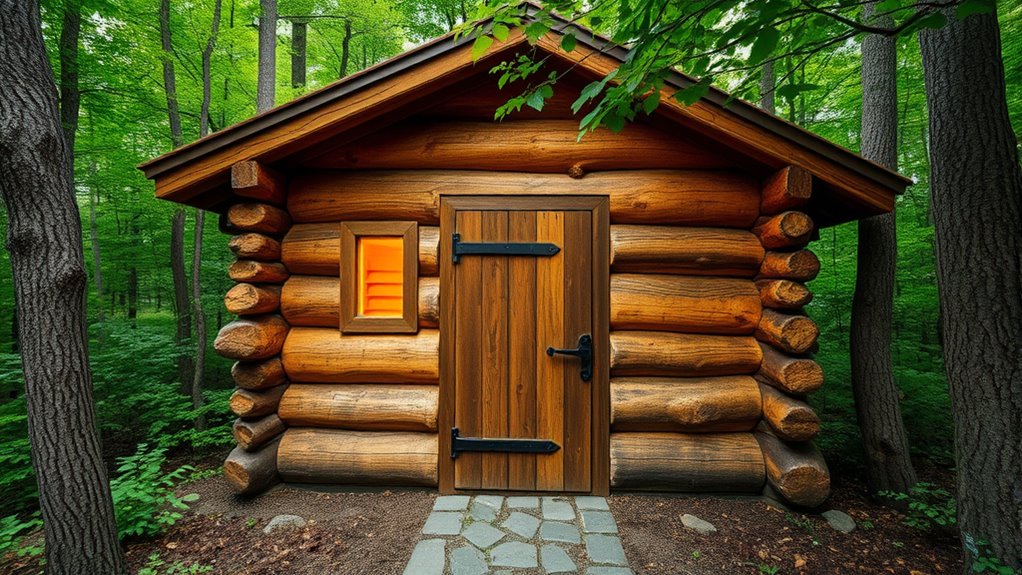

To construct a log cabin sauna with rustic charm, start by choosing high-quality, moisture-resistant logs that enhance the traditional look. Insulate carefully to keep heat inside and prevent drafts, especially around windows and doors. Incorporate proper ventilation with intake vents near the bottom and exhaust vents at the top to ensure fresh air flow and moisture control. Sealing gaps improves efficiency, while combining these elements creates a cozy, durable retreat that blends rustic appeal with modern comfort—your perfect escape awaits as you explore more details.
Key Takeaways
- Use high-quality, moisture-resistant insulation to enhance heat retention and prevent moisture damage in the log cabin sauna.
- Incorporate strategic ventilation with intake vents near the bottom and exhaust vents at the top for fresh air circulation.
- Seal gaps around logs, doors, and vents to improve insulation, prevent drafts, and maintain consistent interior temperature.
- Design the interior layout to include proper insulation behind panels and around windows and doors for optimal comfort.
- Combine rustic log aesthetics with modern insulation and ventilation strategies for a durable, cozy, and charming sauna environment.

Building a log cabin sauna is a rewarding project that combines craftsmanship with relaxation. When you set out to create your own retreat, paying attention to the interior insulation is essential. Good insulation keeps the heat inside, making your sauna more efficient and comfortable. You’ll want to choose high-quality materials that resist moisture and withstand the high temperatures. Proper interior insulation not only retains heat but also prevents drafts and cold spots, ensuring a consistent temperature throughout your sauna. Installing insulation correctly involves placing it snugly between the logs and behind interior panels, creating a sealed environment that maximizes heat retention. Don’t forget to insulate around windows and doors to prevent heat loss in these vulnerable areas. Using the proper insulation materials can significantly improve the sauna’s energy efficiency and longevity.
Proper interior insulation ensures efficient heat retention and a cozy sauna environment.
Ventilation design is another critical aspect of constructing your log cabin sauna. Proper ventilation ensures fresh air circulates without letting heat escape, maintaining the ideal environment for relaxing and sweating. When planning your ventilation, consider installing intake vents near the bottom of the sauna to bring in cool, fresh air, and exhaust vents near the top to let out humid, stale air. This setup promotes a gentle airflow that keeps the interior comfortable and prevents moisture buildup, which could lead to mold or wood deterioration over time. You’ll also want to include a vent or chimney for the stove’s exhaust to safely vent smoke and gases outside. Good ventilation design balances air exchange with heat retention, so your sauna remains warm and inviting while staying fresh and dry.
As you work through the construction process, pay close attention to sealing gaps around logs, doors, and vents. This helps improve insulation efficiency and maintains consistent temperatures. Choose a stove that suits the size of your sauna, and ensure your ventilation system complements it by providing enough airflow to regulate humidity and temperature. When designing the interior, consider installing benches and accessories that don’t interfere with the cooling and heating cycles. Remember, your goal is to create a cozy, rustic space that’s easy to maintain and energy-efficient.
Ultimately, a well-insulated interior combined with a thoughtful ventilation design results in a sauna that performs beautifully and lasts for years. These elements work together to provide a warm, inviting atmosphere that’s perfect for unwinding after a long day. Taking the time to plan and implement quality insulation and ventilation ensures your log cabin sauna remains a durable, enjoyable retreat, blending rustic charm with modern comfort.
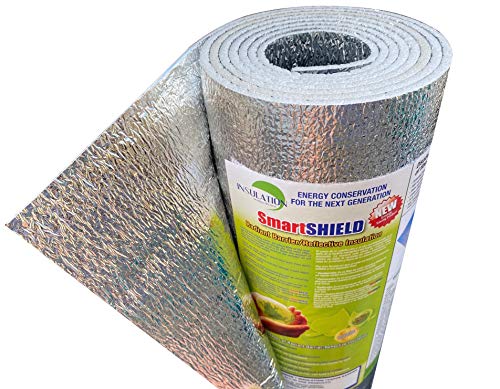
INSULATION MARKETPLACE SmartSHIELD -3mm 48inx10ft ReflectiveINSULATION roll, Foam Core Radiant Barrier, ThermalINSULATION Shield – Engineered Foil
- High Reflectivity: Reflects 95% of radiant energy
- Vapor Barrier: Resistant to humidity and moisture
- Premium Material: 3mm closed cell polyethylene foam
As an affiliate, we earn on qualifying purchases.
As an affiliate, we earn on qualifying purchases.
Frequently Asked Questions
How Long Does It Typically Take to Build a Log Cabin Sauna?
Building a log cabin sauna usually takes around 3 to 6 weeks, depending on your experience and project complexity. During this time, you’ll focus on framing, interior decor, and insulation to maximize energy efficiency. You’ll want to guarantee proper sealing and ventilation, which can affect the timeline. With careful planning and dedication, you can enjoy your rustic retreat sooner, creating a cozy space for relaxation and wellness.
What Are the Best Wood Types for Sauna Construction?
Choosing the right wood for your sauna is like selecting a loyal companion—durability and safety matter most. Opt for cedar or hemlock, as they resist rot and withstand heat well. Consider wood treatment options to enhance longevity and insulation options for efficiency. These woods naturally emit pleasant aromas, creating a soothing atmosphere, and their low resin content reduces smoke, making your sauna both safe and inviting.
How Do I Ensure Proper Ventilation in My Log Cabin Sauna?
To guarantee proper ventilation in your log cabin sauna, install effective ventilation systems that promote airflow optimization. Place intake vents near the floor and exhaust vents higher up to facilitate natural air circulation. Use adjustable vents to control airflow, preventing excess humidity and maintaining a consistent temperature. Regularly check and clean your ventilation components, and consider installing a small fan if needed, to keep fresh air circulating and your sauna comfortable and safe.
What Safety Measures Are Necessary During Construction?
Think of construction safety as the sturdy foundation of your dream sauna. You must prioritize fire safety by installing proper electrical wiring, keeping fire extinguishers nearby, and using fire-resistant materials. Guarantee structural stability by securing logs correctly, following building codes, and inspecting for weaknesses. Wearing protective gear and working with experienced professionals also minimizes risks. These steps safeguard your project, so your rustic retreat remains safe and sound for years to come.
Can I Customize the Sauna Design to Fit My Landscape?
Yes, you can definitely customize the sauna design to fit your landscape. Focus on landscape integration by choosing a shape, size, and placement that complements your surroundings. Consider exterior aesthetics, like natural wood finishes or stone accents, to blend seamlessly with your environment. Personalizing the design guarantees your sauna enhances your landscape’s beauty while maintaining functionality, making it a perfect rustic retreat tailored to your outdoor space.

HSSZXFR Adjustable Sauna Ventilation Panel, Wooden Sauna Air Vent Grille Embedded with Wire Mesh, Ventilation Panel Blinds Grille for Steam Room, Prevent Foreign Objects
- Adjustable Cedar Ventilation Panel: Customizable airflow for sauna comfort
- Compact Dimensions: 34cm x 13cm x 1.2cm for easy installation
- Embedded Wire Mesh: Prevents debris while maintaining airflow
As an affiliate, we earn on qualifying purchases.
As an affiliate, we earn on qualifying purchases.
Conclusion
Building your log cabin sauna is a rewarding project that brings rustic charm right to your doorstep. With patience and attention to detail, you’ll create a cozy retreat perfect for relaxing and unwinding. Remember, Rome wasn’t built in a day, so take your time and enjoy every step of the process. Before long, you’ll sit back and savor the warmth of your handmade sanctuary, knowing all your hard work has truly paid off.

WillowyBe Outdoor Sauna Hot Tent Stove, Rocket Stove Heater, Portable Camping Wood Stove for Dry Sauna, Cooking for Husband and Friends
- Purpose-Built for Outdoor Sauna: Designed for sauna-tent heating and setup
- Durable, Heat-Resistant Construction: Corrosion-resistant metal body with viewing window
- Optimized Firebox and Airflow: Enhanced design for efficient, stable heating
As an affiliate, we earn on qualifying purchases.
As an affiliate, we earn on qualifying purchases.
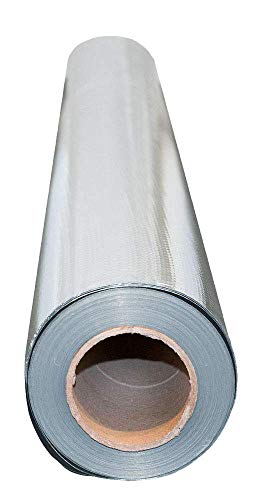
MWS 500 sqft Aluminum Foil Barrier Insulation Sauna Vapor Barrier Waterproof Strong
As an affiliate, we earn on qualifying purchases.
As an affiliate, we earn on qualifying purchases.