
TL;DR

Get wellness gear delivered free with Prime
- Fast, free delivery on millions of items
- Prime Video, Amazon Music and more included
- Member-only deals all year
Interest in balance training for older adults is rising, driven by concerns over fall prevention. Experts recommend specific exercises to maintain stability and mobility, though some details remain under study.
Recent data shows a spike in searches and coverage about how to train balance as you age, highlighting a growing concern among older adults and caregivers about fall prevention and maintaining independence. While specific exercise routines are widely recommended by health professionals, the most effective methods are still being studied, and individual needs vary.
Experts agree that balance training is crucial for adults over 60 to reduce the risk of falls, which are a leading cause of injury and loss of independence in this age group. Commonly recommended exercises include tai chi, balance-specific strength routines, and proprioception exercises that improve body awareness.
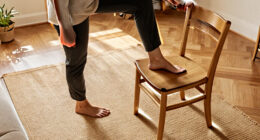
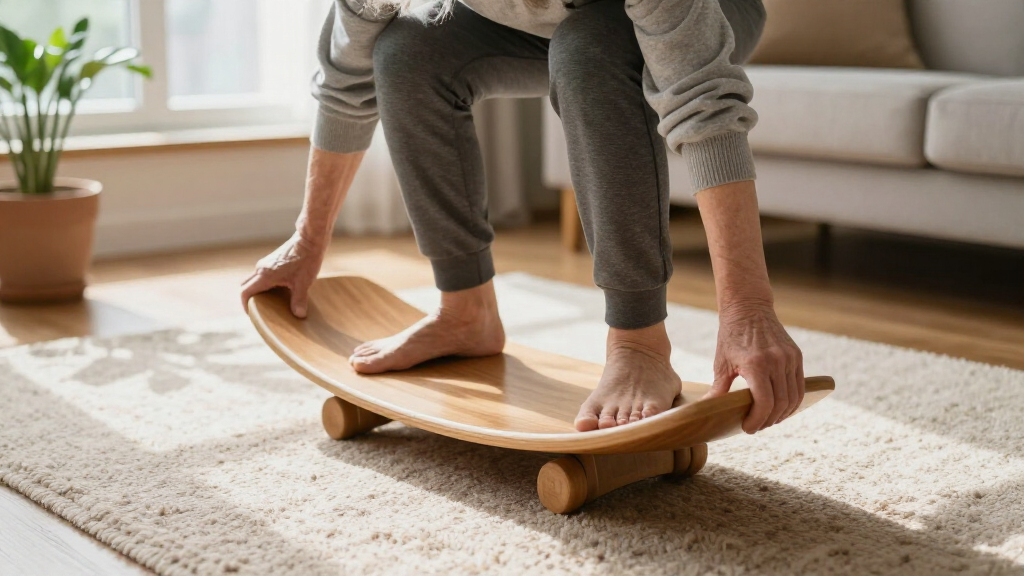
Current guidance emphasizes consistency and gradual progression. For example, tai chi, a gentle martial art focusing on slow, controlled movements, has been supported by multiple studies for improving balance and reducing fall risk. Additionally, exercises like standing on one leg, heel-to-toe walking, and using balance boards are frequently suggested, often under supervision or with safety precautions.
While these exercises are generally considered safe, some experts caution that individual health conditions, such as arthritis or neurological disorders, may influence which routines are most appropriate. Professional assessment and tailored programs are recommended for best results. Professional assessment and tailored programs are recommended for best results.
Why Balance Training Matters for Aging Adults
Maintaining good balance is vital for older adults to preserve independence, prevent falls, and sustain quality of life. Falls can lead to serious injuries, such as fractures or head trauma, and often result in hospitalization or long-term care. Effective balance training can help mitigate these risks, supporting continued mobility and confidence in daily activities.
As the population ages, awareness of fall prevention strategies is increasing, and health authorities are emphasizing the importance of incorporating balance exercises into regular routines. The rising interest in this topic reflects both public concern and the growing body of evidence supporting targeted physical activity for aging populations.
As an affiliate, we earn on qualifying purchases.
Current Trends and Expert Recommendations on Balance Exercises
Interest in balance training for older adults has surged in recent months, driven by broader health and wellness trends emphasizing preventative care. Although specific studies are ongoing, existing research consistently shows that balance exercises can significantly reduce fall risk when performed regularly.
Many health organizations recommend integrating balance routines into daily or weekly exercise schedules. The trend is supported by increased coverage of programs like tai chi and physiotherapy-based routines, often promoted through community centers, senior living facilities, and online platforms.
However, it is still unclear how best to individualize these programs for diverse health conditions and physical capabilities, and whether new methods or technology-assisted routines will emerge as superior options.
balance exercise equipment for elderly
As an affiliate, we earn on qualifying purchases.
As an affiliate, we earn on qualifying purchases.
What Details About Effective Balance Training Are Still Unclear
While general recommendations are well-established, it remains unclear which specific routines are most effective for different health conditions, and how new technologies or emerging methods might enhance training. The optimal frequency, intensity, and progression of exercises are still being studied, and individual tailoring remains a challenge.
Moreover, the long-term adherence to balance routines and their impact on overall health outcomes require further research. It is also uncertain whether newer interventions, such as virtual reality or wearable devices, will prove superior to traditional methods.
stability balance boards for seniors
As an affiliate, we earn on qualifying purchases.
As an affiliate, we earn on qualifying purchases.
Future Directions in Balance Training Research and Practice
Researchers are expected to continue evaluating the effectiveness of various balance exercises and technologies, aiming to develop personalized programs. Healthcare providers will likely refine guidelines based on emerging evidence, and digital tools may become more integrated into routine care.
Public health initiatives will probably increase efforts to educate older adults and caregivers about accessible, safe, and engaging balance routines. Monitoring long-term outcomes and adherence will remain a key focus for ongoing studies.
As an affiliate, we earn on qualifying purchases.
Key Questions
What are the safest exercises for improving balance as I age?
Exercises such as tai chi, standing on one leg, heel-to-toe walking, and using balance boards are generally safe and effective when performed with proper guidance and safety precautions. Always consult a healthcare professional before starting new routines, especially if you have existing health conditions.
How often should I do balance exercises to see benefits?
Most experts recommend practicing balance exercises at least 2-3 times per week, with consistency being key. The exact frequency and duration should be tailored to your individual health status and ability, ideally under professional supervision.
Can balance training prevent falls even if I have mobility issues?
Balance exercises can help improve stability and confidence, but their effectiveness varies depending on individual health conditions. It is important to work with a healthcare provider to develop a safe, personalized program that considers your mobility limitations.
Are there new technologies that can help improve balance training?
Emerging tools like virtual reality, wearable sensors, and interactive apps are being explored to enhance balance training, but their long-term effectiveness and accessibility are still under study. Consult your healthcare provider about incorporating such options into your routine.
Source: rss
Halloween Picks
halloween
As an affiliate, we earn on qualifying purchases.