
Monitoring your temperature and water quality logs helps you spot issues early and plan maintenance effectively. By regularly reviewing fluctuations or anomalies, you can identify potential problems like contamination or equipment malfunctions before they escalate. Proper calibration guarantees your data stays accurate, making your analyses reliable. Consistent log checks support proactive maintenance, reduce costly repairs, and extend system lifespan. Keep exploring how these practices can keep your systems running smoothly and efficiently.
Key Takeaways
- Regularly review logs to identify patterns or anomalies indicating maintenance needs.
- Use calibration records to verify data accuracy before making maintenance decisions.
- Track fluctuations in temperature and water quality to detect early signs of system issues.
- Document and analyze historical logs to plan preventive maintenance and optimize system performance.
- Correlate log data with system performance to prioritize repairs and reduce operational disruptions.

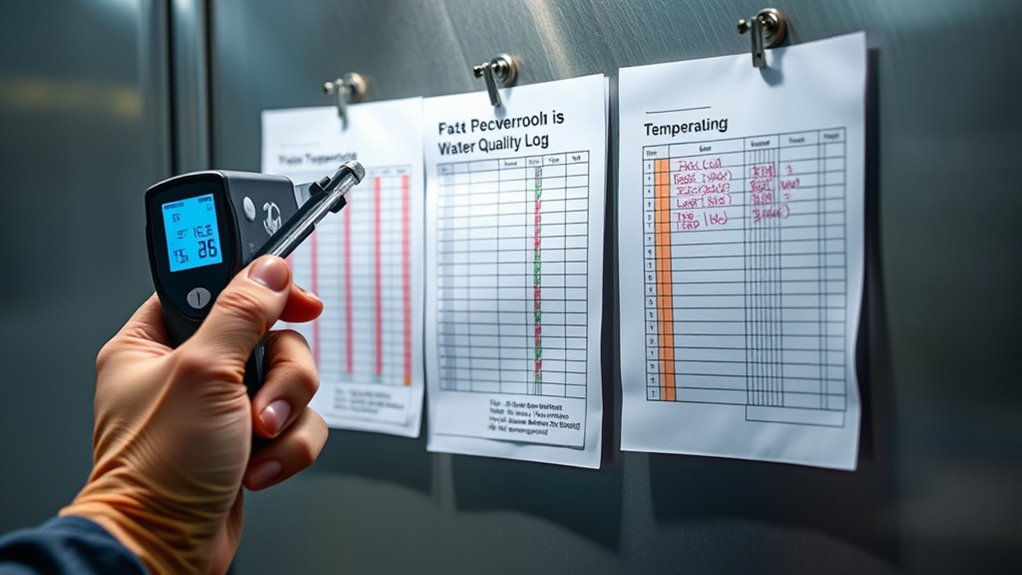
Regularly monitoring temperature and water quality logs is essential for effective maintenance management. By keeping a close eye on these logs, you gain valuable insights into the operational health of your systems, enabling you to catch issues early before they escalate into costly repairs. Accurate data collection is fundamental, which is why sensor calibration plays a vital role. When sensors are properly calibrated, the readings you record truly reflect the real conditions, ensuring your logs are reliable. Over time, sensors can drift from their original calibration, leading to inaccurate data. Regular calibration checks help maintain the integrity of your measurements, so you can trust the information you analyze. Additionally, understanding the differences between measurement methods like SACC vs BTU or MERV vs HEPA can improve your interpretation of system performance. Log analysis is your primary tool for turning raw data into actionable insights. Analyzing trends in temperature and water quality logs allows you to identify patterns indicative of potential problems. For example, sudden spikes or drops in temperature might signal malfunctioning heating or cooling systems, while fluctuations in water chemistry could suggest contamination or equipment failure. By systematically reviewing these logs, you can determine if certain parameters consistently fall outside acceptable ranges, prompting preventive maintenance before a system failure occurs. Over time, this proactive approach minimizes downtime and extends the lifespan of your equipment.
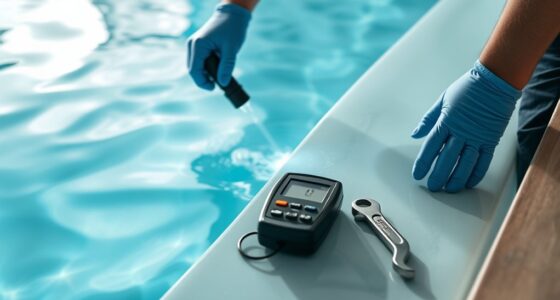
Regular sensor calibration ensures reliable temperature and water quality data for effective maintenance.
When analyzing logs, look for recurring anomalies or deviations from baseline values. These irregularities often point to underlying issues that need addressing. For instance, if water pH levels drift outside recommended limits regularly, it could indicate corrosion or biological growth that requires treatment. Regular log analysis also helps you establish a maintenance schedule based on actual system performance rather than fixed intervals, making your upkeep more efficient. Additionally, pairing log data with sensor calibration records ensures that discrepancies are due to genuine system changes rather than sensor inaccuracies. This combined approach helps you make informed decisions about maintenance tasks, avoiding unnecessary interventions while catching real problems early.
Implementing a routine of sensor calibration and consistent log analysis fosters a culture of proactive maintenance. It reduces emergency repairs and minimizes operational disruptions, saving you money and resources. Over time, your logs become a valuable historical record, illustrating the effectiveness of your maintenance strategies and highlighting areas for improvement. In essence, diligent monitoring, calibration, and analysis create a feedback loop that keeps your systems running smoothly. By understanding the significance of precise data collection and interpretation, you guarantee your facility remains efficient, safe, and well-maintained. This continuous attention to detail ultimately enhances your ability to anticipate issues, make informed decisions, and optimize your maintenance practices.
Frequently Asked Questions
How Often Should Temperature and Water Quality Logs Be Updated?
You should update temperature and water quality logs at least daily or after each inspection, depending on your facility’s requirements. Regular updates guarantee accurate records for inspection frequency and help identify issues early. Keep detailed records for the required record retention period, typically a year or more, to comply with regulations. Consistently updating logs helps maintain water safety and supports efficient maintenance planning.
What Tools Are Best for Recording Temperature and Water Quality Data?
You should use digital sensors for recording temperature and water quality data because they provide accurate, real-time measurements. These sensors often come with built-in data visualization tools, making it easy to track trends and identify issues quickly. Digital sensors are user-friendly, reliable, and integrate seamlessly with monitoring systems, helping you maintain ideal water conditions efficiently. This combination ensures your logs are precise and actionable.
How Do I Interpret Anomalies in the Logs?
When you spot anomalies in your logs, start by checking sensor calibration to verify accurate readings. Look at data trend analysis to identify if the irregularity is an isolated incident or part of a pattern. Consider environmental factors or recent maintenance that might influence results. Address any calibration issues promptly and monitor subsequent logs closely, so you can determine if the anomaly indicates a real problem or a sensor malfunction.
Can Automated Systems Replace Manual Logging Effectively?
Think of automated systems as vigilant guardians, always watching over your water quality and temperature. They can replace manual logging effectively when properly calibrated sensors ensure data accuracy, catching issues in real-time. Automated systems minimize human error and provide continuous monitoring, but regular sensor calibration is vital to maintain reliability. With diligent calibration and maintenance, these systems become trustworthy partners, making manual logs a thing of the past and safeguarding your water environment efficiently.
How Long Should Maintenance Records Be Retained for Auditing?
You should retain maintenance records for at least five years to meet compliance standards and guarantee effective record retention. This duration helps you provide documented proof during audits and maintains a thorough history of maintenance activities. By keeping detailed logs, you can quickly verify compliance, identify patterns, and address issues proactively. Staying consistent with record retention policies ensures you’re prepared for inspections and helps uphold operational standards.
Conclusion
By consistently monitoring temperature and water quality logs, you create a clear picture of your system’s health. Imagine catching a small shift early, like noticing a faint ripple before a storm, and taking action before damage spreads. With each entry, you’re not just tracking data—you’re safeguarding your environment, ensuring every drop remains pure and safe. Stay vigilant, and let your logs be the steady heartbeat that keeps your water pristine and your system thriving.