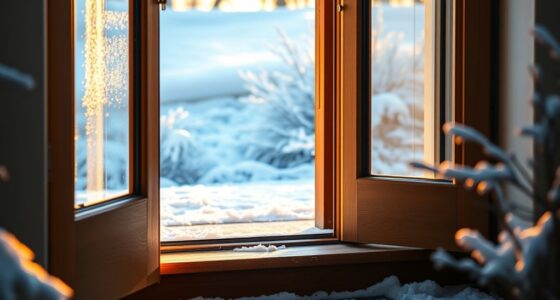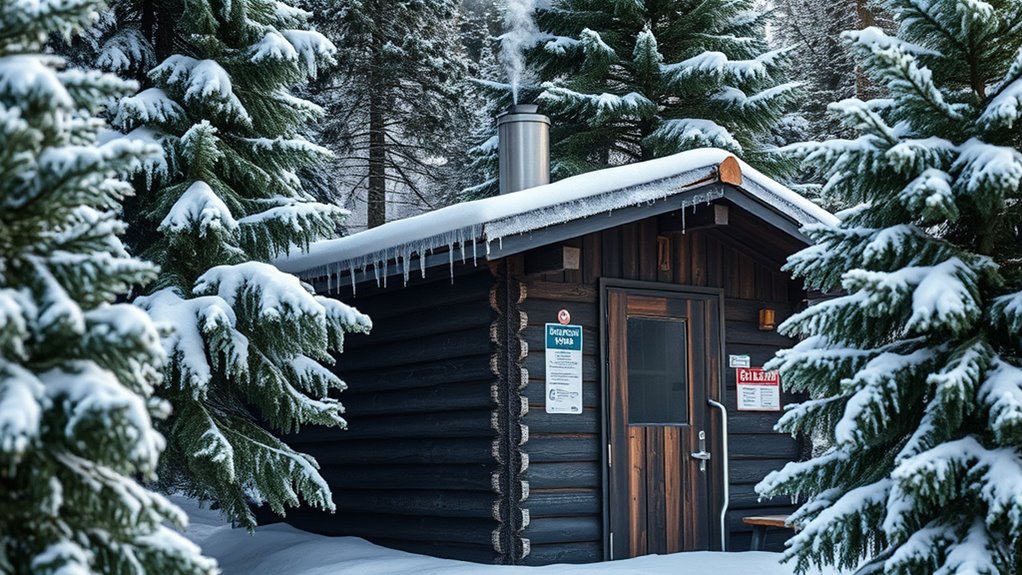

To stay safe with an outdoor sauna in extreme climates, monitor internal temperature carefully and avoid overheating or hypothermia. Keep emergency supplies nearby, like water and blankets, and always have a phone handy. Adjust usage based on weather forecasts—limit sessions during storms or extreme heat or cold. Regularly check your equipment for malfunctions, ensure proper ventilation, and follow safety guidelines specific to your environment. Continue exploring these essential steps to maximize safety and comfort.
Key Takeaways
- Monitor weather forecasts regularly and avoid sauna use during extreme weather events or severe temperature fluctuations.
- Ensure proper insulation, ventilation, and heating system checks to maintain safe and consistent internal temperatures.
- Limit session durations and stay alert for signs of heat exhaustion or hypothermia, adapting use accordingly.
- Keep emergency supplies nearby, including a phone, water, blankets, and a first aid kit, and never sauna alone.
- Adjust safety measures based on climate-specific risks, such as frostbite in cold climates or heat stroke in hot environments.
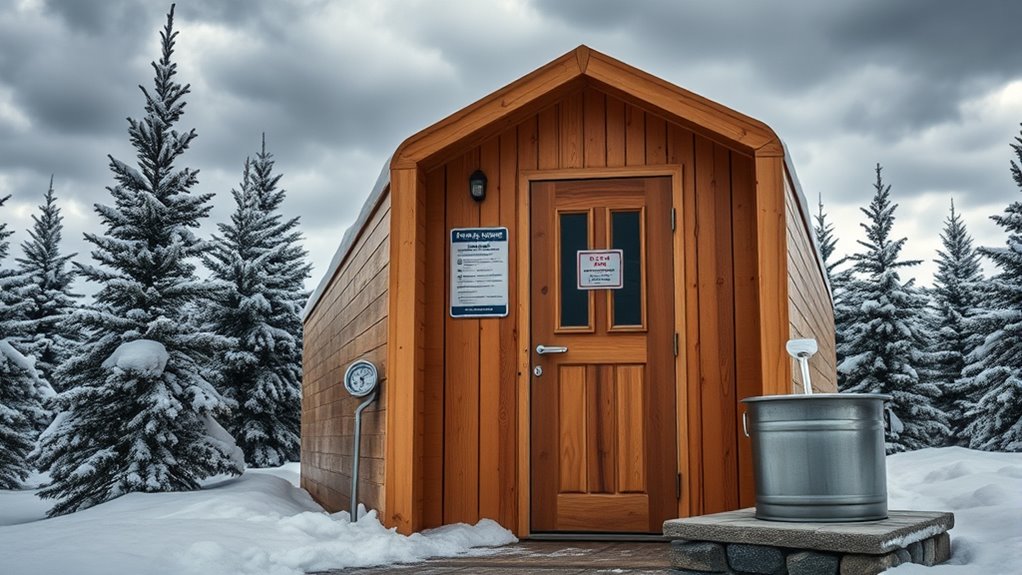
Outdoor saunas can offer a relaxing retreat, but when you’re in extreme climates, safety becomes even more essential. Temperature regulation becomes your top priority, especially in environments where weather conditions can change rapidly. In such settings, it’s imperative to monitor the sauna’s internal temperature carefully. Overheating can lead to heat exhaustion or heat stroke, so always use a reliable thermometer and set the sauna’s temperature within safe limits. Keep in mind that extreme cold can also pose risks; ensure that the sauna’s heating system is working properly to maintain consistent warmth without sudden temperature drops. Proper insulation and regular checks help prevent unexpected cooling, which can cause discomfort or health issues.
Emergency preparedness is equally important. Before you even step into your outdoor sauna, make sure you have a plan in place. This includes having a phone nearby to call for help if needed and keeping emergency supplies—like water, a first aid kit, and blankets—within easy reach. Familiarize yourself with signs of heat-related illnesses so you can recognize and respond swiftly. If you or someone else shows symptoms of heat exhaustion, such as dizziness, nausea, or weakness, you need to act immediately by moving to a cooler place, hydrating, and seeking medical assistance if necessary. Conversely, if cold exposure is a concern, ensure you have warm clothing and blankets ready to prevent hypothermia.
It’s wise to establish safety protocols specific to your climate. For extremely hot environments, limit your sauna sessions and avoid using the sauna during the hottest part of the day. In cold climates, limit exposure to prevent frostbite or hypothermia. Also, never operate the sauna alone—having someone nearby can be critical in case of emergencies. Regularly inspect your sauna’s heating elements and ventilation systems to prevent malfunctions that could compromise safety. Additionally, staying informed about safety guidelines for extreme weather can help you adapt your precautions appropriately.
Finally, educate yourself on weather forecasts before using your outdoor sauna. Sudden storms, high winds, or temperature drops can turn a relaxing experience into a hazardous one. By staying vigilant about temperature regulation and being prepared for emergencies, you’ll enjoy your outdoor sauna safely, no matter the climate. Remember, cautious planning and awareness are your best tools to ensure every session is both enjoyable and safe.

Sauna Thermometer and Hygrometer Combo – Precise Temperature & Humidity Gauge for Sauna Roomsk, Temperature Range 70-250°F, Humidity Range 0-100%
✅ 2-in-1 Sauna Thermometer & Hygrometer – This premium-quality analog gauge accurately measures both temperature (70-250°F) and humidity…
As an affiliate, we earn on qualifying purchases.
As an affiliate, we earn on qualifying purchases.
Frequently Asked Questions
How Often Should Outdoor Sauna Maintenance Be Performed in Extreme Climates?
You should perform outdoor sauna maintenance at least twice a year in extreme climates. Conduct annual inspections to check for weatherproofing effectiveness, structural integrity, and electrical safety. Additionally, implement weatherproofing measures like sealing gaps and protecting surfaces from harsh elements. Regular maintenance helps prevent damage caused by extreme weather, ensuring your sauna remains safe and functional. Remember, staying proactive with these steps minimizes costly repairs and prolongs your sauna’s lifespan.
What Are the Signs of Hypothermia or Heat Exhaustion During Sauna Use?
You might think you’re invincible, but watch for signs of hypothermia or heat exhaustion like dizziness, nausea, or excessive sweating. Dehydration sneaks up on you, so monitor your hydration levels and keep an eye on your heart rate—if it races or slows oddly, it’s time to cool down. Ignoring these signs can turn your relaxing sauna session into a dangerous ordeal, so stay alert and listen to your body.
Can Outdoor Saunas Be Safely Used During Severe Storms or High Winds?
You should avoid using outdoor saunas during severe storms or high winds, as storm safety and weather precautions are vital. High winds can damage the sauna, cause electrical hazards, or lead to accidents. Always monitor weather conditions before use, and if a storm approaches, turn off the sauna and seek shelter immediately. Prioritizing storm safety guarantees you stay safe and prevent potential injuries or damage.
What Specific Clothing Is Recommended for Sauna Users in Cold Climates?
When braving cold climates, you need to dress smartly for the sauna. Wear thermal insulation clothing that keeps heat in, and add moisture barriers to prevent dampness from chilling you. Layer up with wool or fleece, and don’t forget a waterproof hat or head covering to retain warmth. Cover your extremities, especially hands and feet, to avoid frostbite. Think of it as wrapping yourself in a warm hug—staying cozy is key.
Are There Any Special Electrical Safety Considerations for Outdoor Saunas in Extreme Weather?
You should guarantee your outdoor sauna has proper grounding requirements and weatherproof wiring to prevent electrical hazards in extreme weather. Regularly inspect connections for corrosion or damage, especially after storms or freezing temperatures. Use outdoor-rated electrical components and keep wiring protected from moisture and snow. Consider installing surge protectors and ensuring your circuit breaker is adequate for the sauna’s power needs, maintaining safe operation regardless of weather conditions.
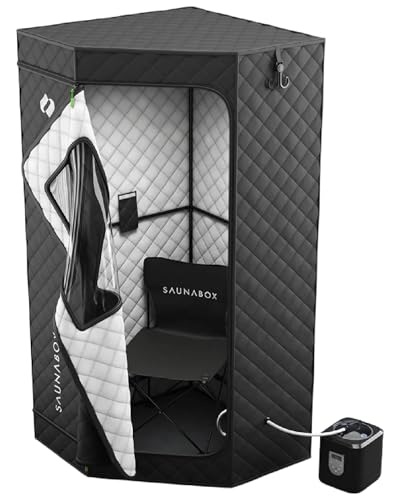
SAUNABOX® SmartSteam Kit Pro | Personal Steam Sauna for Home Use | Portable Sauna Tent with Chair, Mat & Case | Full-Body Steam Therapy for Relaxation, Detox & Recovery
🔥 Spa-Level Steam Therapy at Home – Reach temperatures up to 140°F (60°C) in 15 minutes with nearly…
As an affiliate, we earn on qualifying purchases.
As an affiliate, we earn on qualifying purchases.
Conclusion
By following these safety protocols, you’ll turn your outdoor sauna into a fortress against nature’s harshest extremes. Imagine standing tall against blizzards or scorching heat, all while your sauna keeps you safe and sound. Don’t let extreme climates turn your relaxation into a disaster—think of these tips as your ultimate shield. Stay vigilant, stay safe, and enjoy your outdoor sauna adventure without risking your life. After all, safety isn’t just a rule; it’s your secret weapon!

EHINI Infrared Sauna Blanket – Portable Far Infrared Sauna for Home Relaxation – PU Sauna Blanket – Infrared Blanket Sauna with 77–176 °F Temp Range,for Full-Body Relaxation (Raven Black)
Fast Recovery: EHINI Far infrared light penetrates deeply, speeding up muscle recovery and immune system support. The snug…
As an affiliate, we earn on qualifying purchases.
As an affiliate, we earn on qualifying purchases.
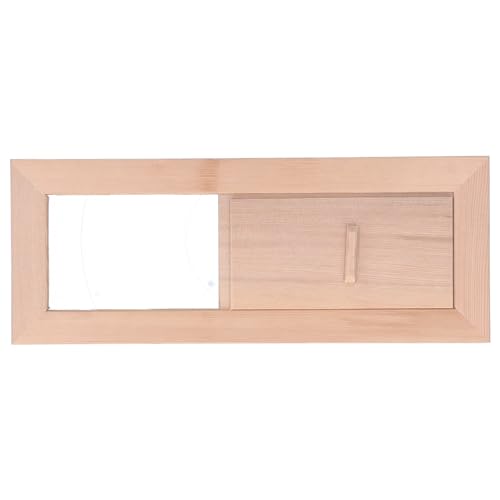
Yulatik Hemlock Wood Sauna Air Vent – Adjustable Sliding Ventilation Grille Panel for Steam Room – Natural Wooden Louver Air Register Replacement Parts (13.4" x 5.1")
PREMIUM NATURAL HEMLOCK WOOD: Crafted from high-quality natural Hemlock wood, this sauna vent is durable, environmentally friendly, and…
As an affiliate, we earn on qualifying purchases.
As an affiliate, we earn on qualifying purchases.